
Grapevine Flowering at 2,800 Feet: Why This Two-Week Window Defines the Vintage
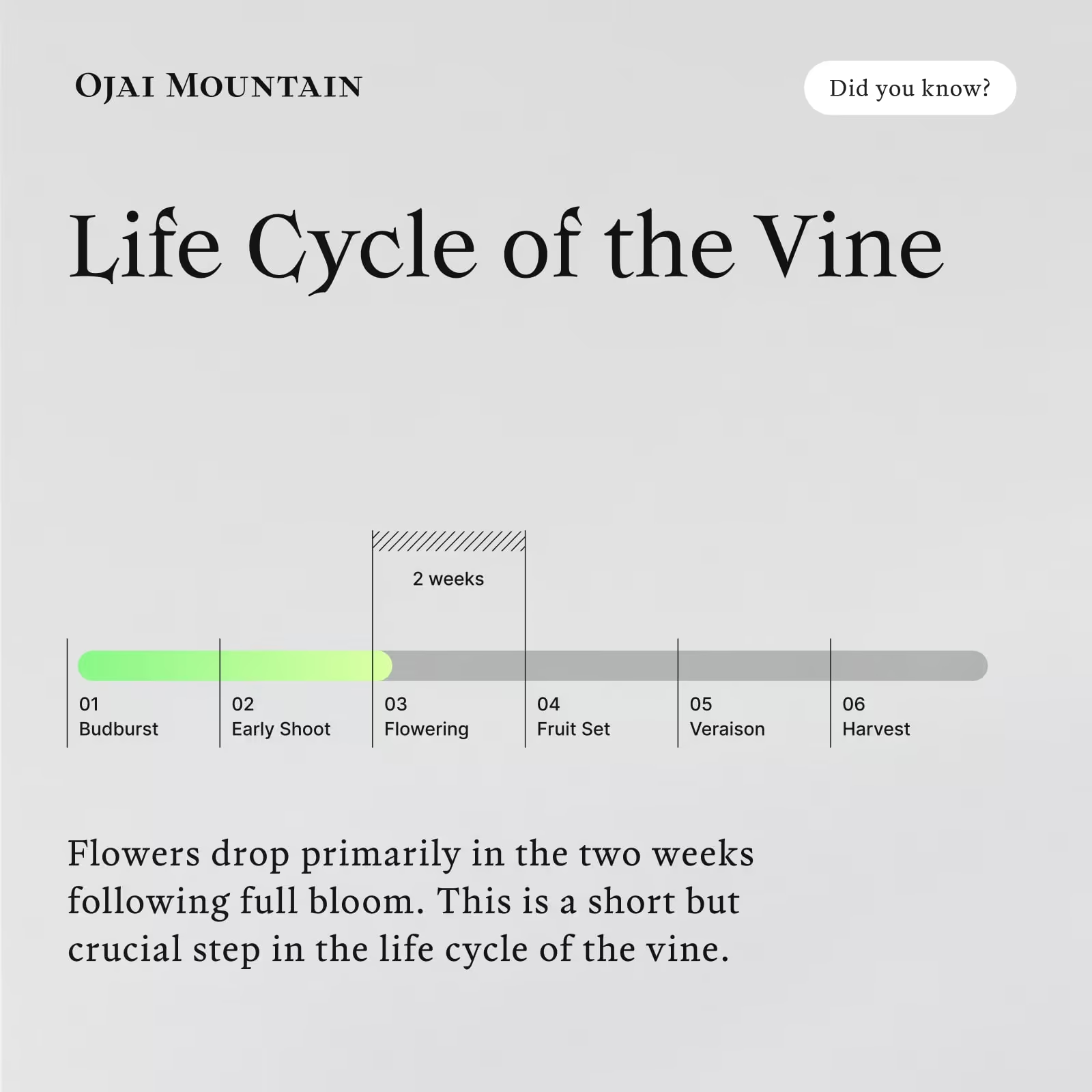
Grapevine flowering lasts roughly two weeks and is the single most weather-sensitive moment in the vine's year. At 2,800 feet on Sulphur Mountain, cold snaps, coastal wind, and late-spring rain can interrupt pollination and trigger coulure or shatter, dramatically reducing the crop. In 2023, that is exactly what happened. When flowering goes well, it sets the foundation for everything that follows. When it doesn't, no amount of skill in the cellar can recover what was lost in the vineyard.

Every year, somewhere between late May and mid-June, the Ojai Mountain vineyard holds its breath. The vines have pushed through bud break, built their canopy, and sent up the small, clustered structures that will eventually become fruit. Now comes the moment that decides whether any of that work translates into wine.
Flowering. It lasts roughly two weeks. And on a marginal mountain site like ours, it is the most precarious window in the entire growing season.
What the Vine Is Actually Doing
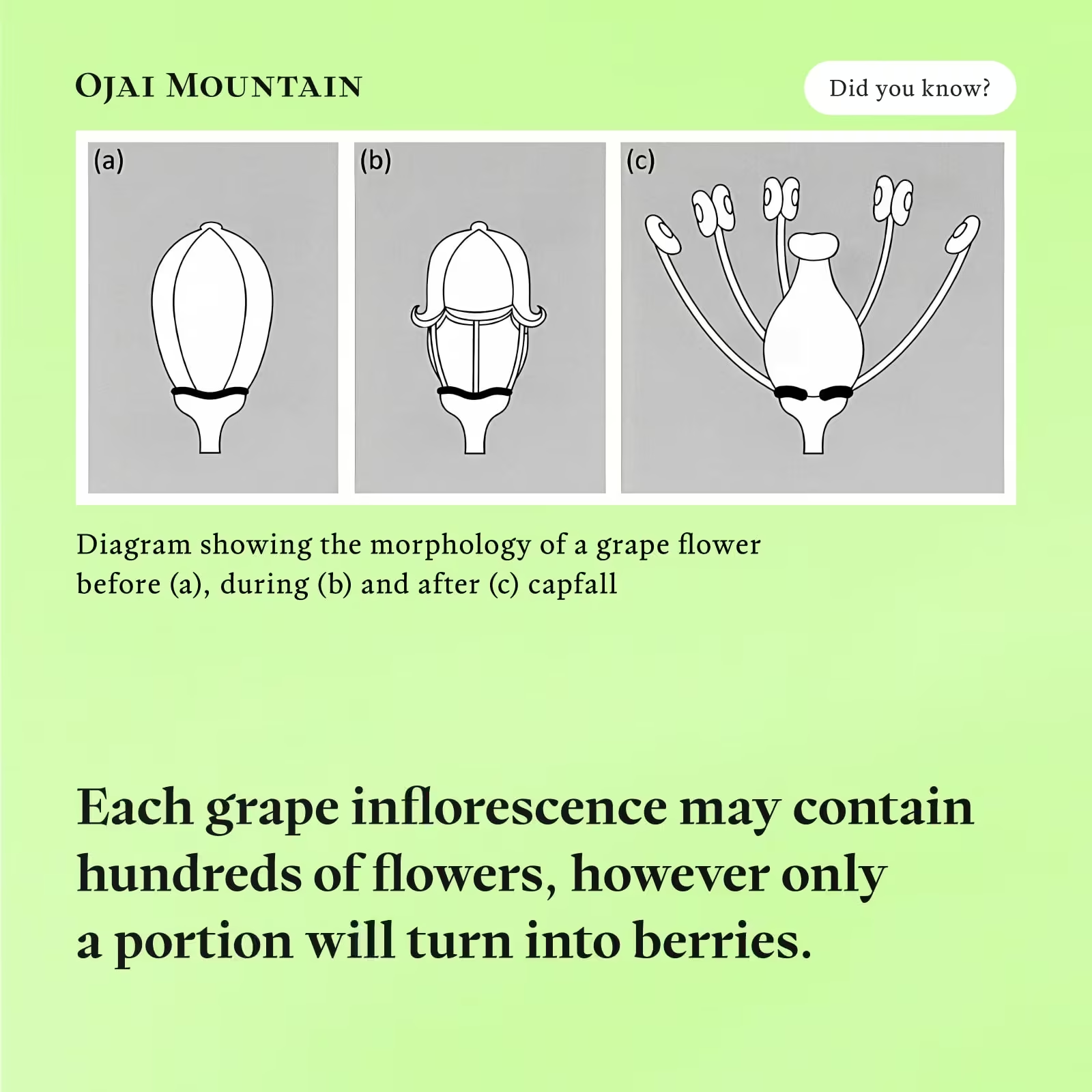
Grapevine flowers are botanically different from most flowering plants.
What triggers flowering is accumulated heat. Once the vine has logged enough growing degree days above approximately 50°F (10°C), the inflorescences, the branched flower clusters that will become grape bunches, begin to open. Each inflorescence can carry anywhere from 100 to 200 individual florets. A single vine may have 200,000 or more pollen grains circulating during peak bloom.
The fragility of the cap
Each floret is protected by a small green cap, the calyptra, formed by fused petals. At the right moment, the cap detaches from the base and falls away, exposing the stamens. This is called cap fall, and it is the point of maximum vulnerability. The window between cap fall and successful fertilization is narrow, often just a few days per cluster. Temperature, humidity, and wind all influence whether pollen reaches the stigma and whether fertilization takes hold.
Ideal conditions for flowering are warm, dry, and calm: daytime temperatures between roughly 65°F and 85°F (18°C to 29°C), low humidity, and gentle air movement. Anything outside that range introduces risk.
Why a Mountain Vineyard Makes Flowering Harder
Most California winegrowing regions benefit from relatively warm, stable spring weather during flowering. Ojai Mountain does not have that luxury. Our high-altitude vineyard sits above the valley fog line at 2,800 feet, just 10 miles from the Pacific, on ancient Monterey shale. The same elevation and marine exposure that give our wines their tension and mineral character also make the site climatically unpredictable in late spring.
Several conditions specific to this site increase flowering risk:
Cold nights: Diurnal swings of 40 to 50°F are normal here. Nighttime temperatures that drop below 50°F during flowering slow pollen tube growth and can prevent fertilization entirely.
Coastal wind: The strong marine airflow that defines our terroir can physically dislodge pollen before it reaches the stigma, or dry out the stigmatic surface so pollen fails to adhere.
Late-season rain: Any significant rainfall during cap fall washes pollen off the flowers and creates humid conditions that favor fungal pressure. Even a brief rain event at the wrong moment can compromise an entire cluster.
Marginal heat accumulation: Because our site runs cooler than the valley floor, flowering often occurs later and over a more compressed window. The vine has less time to recover from any weather disruption.
This is not a problem that can be engineered away. It is the nature of the site, and it is why we watch the weather so closely every May and June.
Coulure, Shatter, and What Poor Fruit Set Actually Means
When flowering is disrupted, the result shows up as coulure or shatter, two related but distinct problems.
Both conditions reduce yield. But they do not affect wine quality in a simple, predictable way. In some cases, coulure and shatter produce smaller, more concentrated berries with a higher skin-to-juice ratio. At low levels, this can actually improve wine structure. At high levels, it reduces crop so severely that the vintage becomes economically and logistically difficult to work with.
The 2023 vintage: when flowering did not cooperate
The 2023 growing season at Ojai Mountain was shaped by an exceptionally wet winter and a cool, unsettled spring, part of a broader pattern across California that year. When flowering arrived, the conditions were far from ideal. Persistent moisture and below-average temperatures during the critical bloom window disrupted fruit set across multiple blocks.
The result was a significantly reduced crop, with some varieties hit harder than others. Clusters were looser, berry counts were lower, and the harvest that followed was smaller than any previous vintage. What the season did produce, however, carried the hallmarks of a cool, slow-ripening mountain year: lifted aromatics, precise acidity, and wines built more for elegance than mass. The 2023 vintage became one of the most structurally refined in the estate's short history, even as it tested our patience and our planning.
This is the paradox of marginal viticulture. The same conditions that create risk also create character.
From Flowering to Fruit Set: Reading the Season
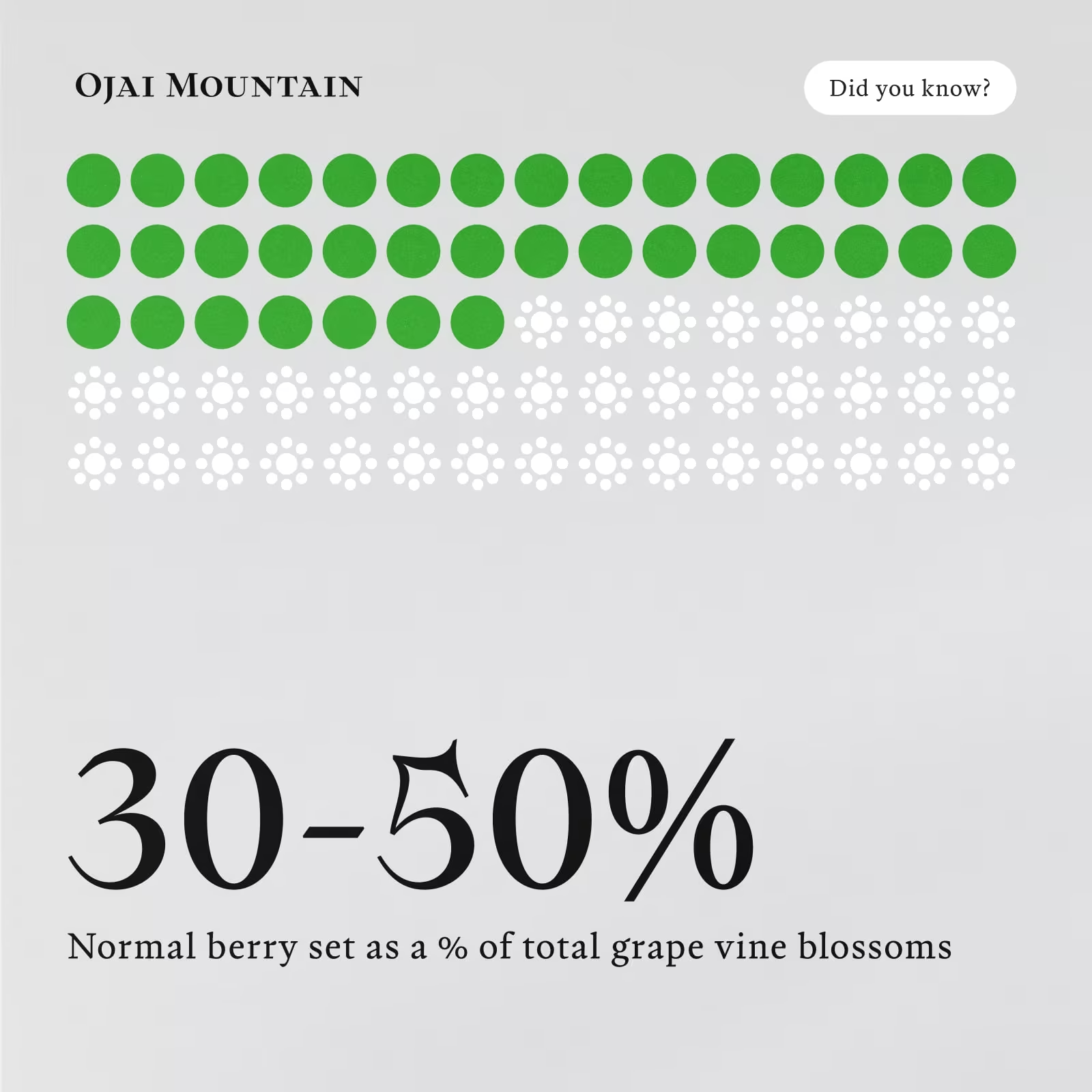
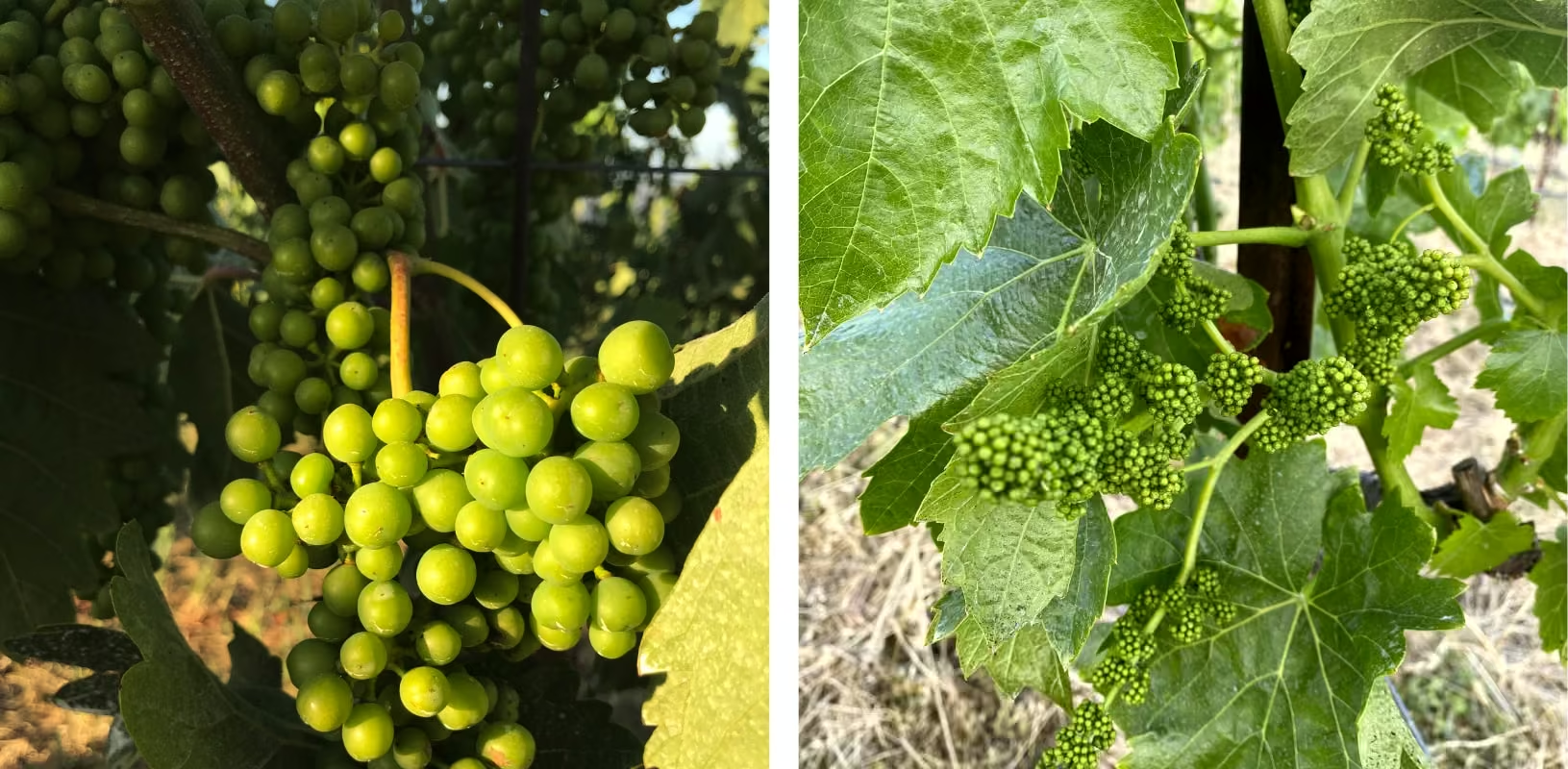
Fruit set follows flowering by roughly one to two weeks. This is when fertilized flowers begin to swell into young berries, and when the vine's natural thinning process takes effect. Even under ideal conditions, only about 30 to 50 percent of florets typically become berries. The rest drop off as the vine self-regulates its crop load.
This natural drop is not a failure. It is the vine managing its own resources, and it is part of why mountain-grown fruit tends toward concentration rather than volume. Our vines compete for water and nutrients in fractured shale with minimal topsoil. They are not inclined toward excess.
What we watch during fruit set:
Cluster uniformity: Are berries developing at a consistent size, or do we see the irregular mix that signals millerandage?
Berry count per cluster: A rough indicator of how flowering went. Lower counts after a difficult bloom confirm what we suspected.
Canopy condition: Healthy, balanced shoot growth supports even ripening. Excessive vigor can shade clusters and complicate the season ahead.
Disease pressure: Wet flowering conditions that caused problems at bloom can leave behind fungal spores. Botrytis, in particular, tends to establish during humid bloom windows and resurface at harvest.
Fruit set is the first honest accounting of the vintage. It tells us what we are working with, and it shapes every decision that follows, from canopy management through harvest timing.
Why We Celebrate It Anyway
There is something clarifying about a moment you cannot control. Flowering is that moment for us.
We can prune carefully, manage the canopy, build the soil, and time our interventions with precision. But when the inflorescences open, we are entirely at the mercy of the weather. That vulnerability is not something we try to engineer around. It is part of what makes this site honest.
When flowering goes well, the relief is real. The clusters are full, the set is even, and the season ahead has a foundation to build on. When it does not, as in 2023, we adjust. We work with what the vineyard gives us, find the best fruit in the blocks least affected, and make decisions in the cellar that respect what the season actually was rather than what we wished it had been.
The minimal intervention winemaking philosophy we practice depends on this kind of honesty. We do not add sugars, acids, or other adjustments to compensate for a difficult vintage. The wine reflects the year. Flowering is where that year begins to take shape.
Every season at Ojai Mountain is a negotiation with the land. Flowering is where the terms are set. ❧
Frequently Asked Questions
Flowering at our Sulphur Mountain vineyard generally occurs between late May and mid-June, roughly four to six weeks after bud break. Because we sit at 2,800 feet with a cooler climate than the valley floor, our flowering window tends to arrive later and run slightly more compressed than lower-elevation California vineyards.
Coulure occurs when flowers fail to set due to cold temperatures, rain, or nutritional stress during bloom, leaving sparse clusters with few berries. Shatter (millerandage) happens when fertilization occurs but berries develop without seeds, producing small, unevenly sized fruit. Both are triggered by weather disruption during the brief cap-fall window when pollen transfer is most vulnerable.
The 2023 season brought an unusually wet winter and a cool, unsettled spring across California. When flowering arrived, persistent rain and below-average temperatures disrupted fruit set in multiple vineyard blocks, resulting in the smallest crop in the estate's history to that point. The wines that emerged were among the most elegant and precise we have made, but the yield was significantly reduced.
High-altitude sites like Ojai Mountain face larger temperature swings, stronger wind exposure, and less reliable spring warmth than valley-floor vineyards. Nighttime temperatures can drop below the threshold for effective pollen tube growth. Wind can physically dislodge pollen or dry out the stigmatic surface. And late-spring rain events, uncommon in coastal California but not rare at elevation, can wash pollen from flowers entirely during the critical bloom window.
Not necessarily. Coulure and shatter reduce crop volume, but small, seed-poor berries often have a higher skin-to-juice ratio, which can increase tannin and color concentration. At moderate levels, the result can be wines of greater structure and intensity. At severe levels, the reduction in crop creates logistical and economic challenges regardless of quality. The 2023 vintage at Ojai Mountain is a clear example: a difficult bloom produced a small crop that yielded wines of unusual refinement.
Share this post
Recent Posts
View All Posts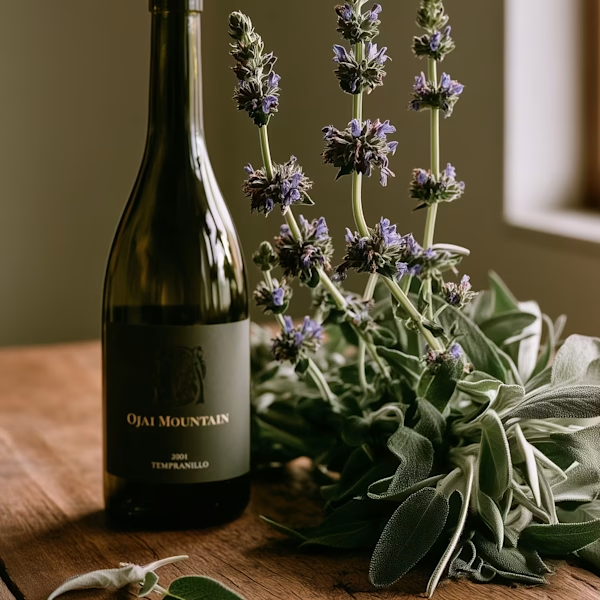
Lesia Artymovych • 20 Sept 2026
The Scent of the Mountain: Chaparral, Syrah, and Ojai Terroir
Ojai Mountain’s wines can carry aromas that recall the chaparral surrounding the vineyard: sage, dried herbs, pepper, and wildflowers. Science does no...
Lesia Artymovych • 16 Sept 2026
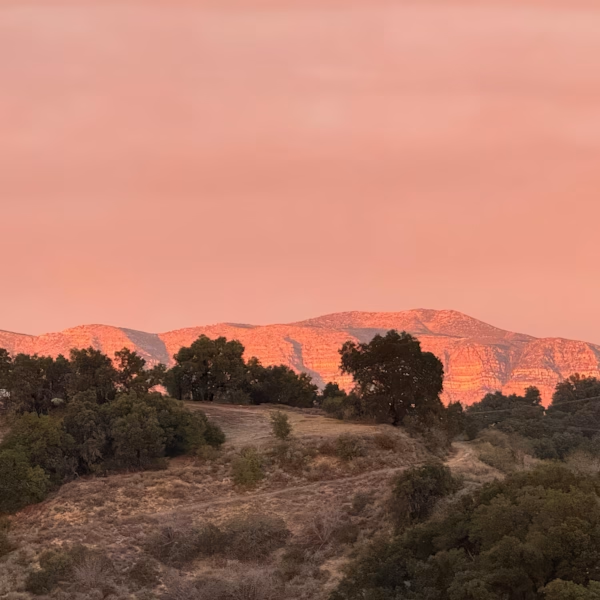
The Ojai Pink Moment: Why the Topa Topa Mountains Glow
Ojai’s Pink Moment is the brief coral, rose, and violet glow that appears on the Topa Topa Mountains around sunset. Warm, low-angle light creates the ...
Lesia Artymovych • 14 Sept 2026
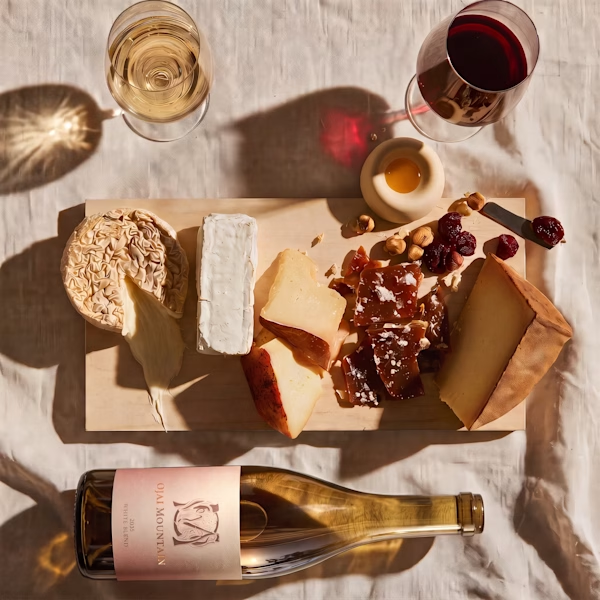
A Guide to Wine and Cheese Pairing at Ojai Mountain
Match intensity to intensity: pair fresh, delicate cheeses with Ojai Mountain's bright Estate Whites, and bold, aged cheeses with its Syrahs and reds....