
 Log in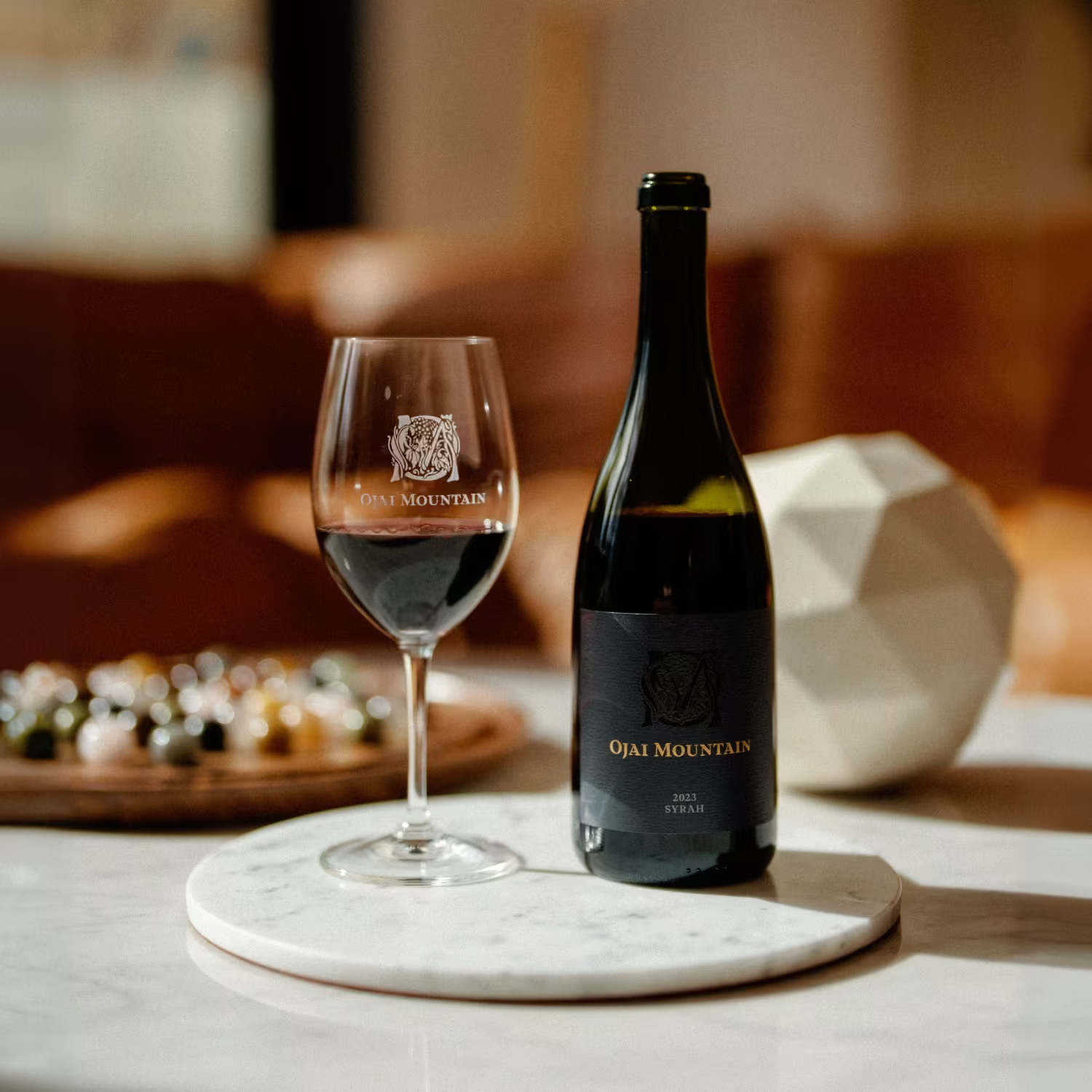
How to Taste Wine at Home: A Complete Step-by-Step Guide
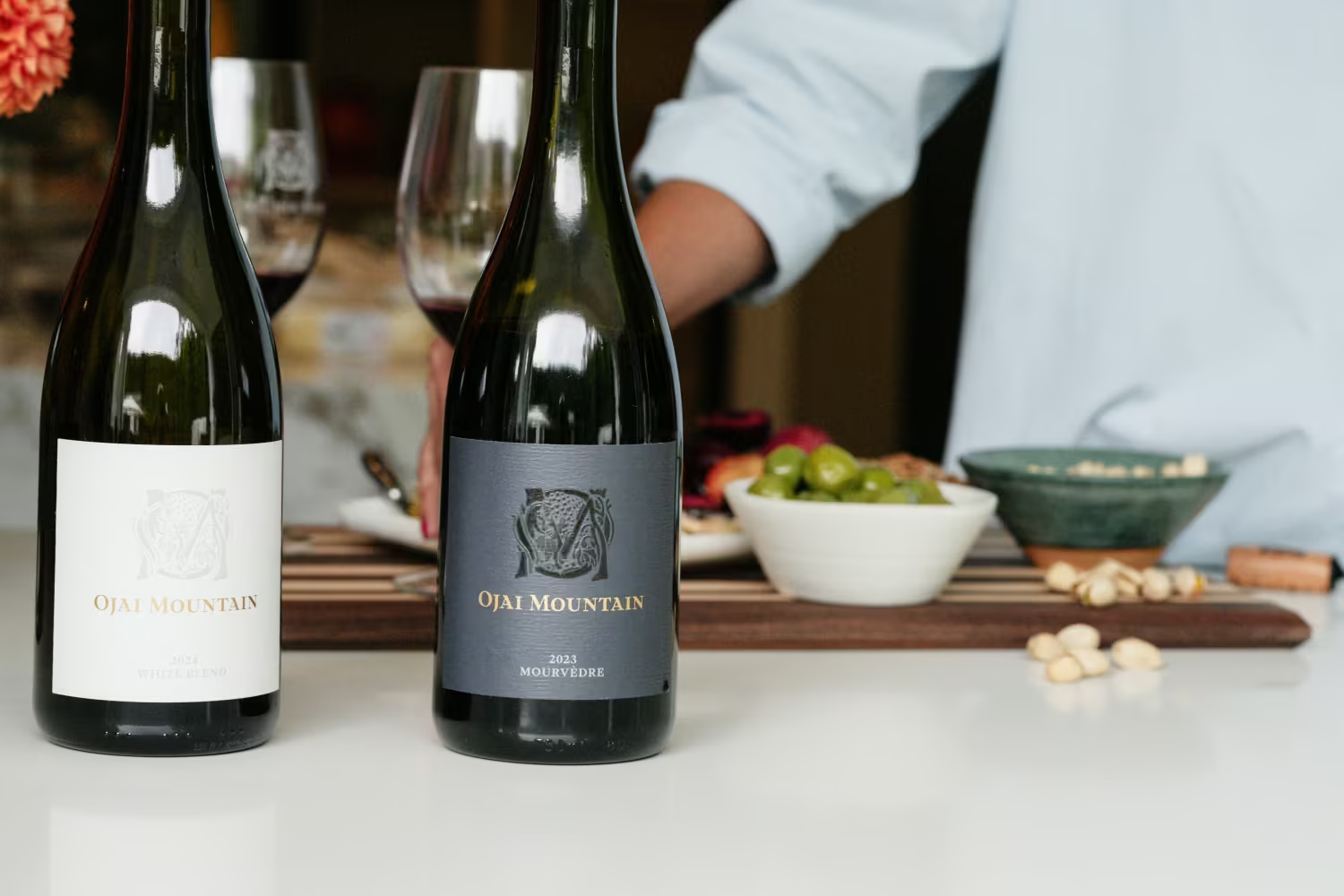
We designed this guide to go with the Mountain Trilogy — three Ojai Mountain wines we put together specifically for an evening like this. White, Syrah, red blend. Light to full. One terroir, three expressions.

We have a sommelier-guided tasting at the estate, up on the mountain, and it's a pretty special thing (if we can say so ourselves). But not everyone can make the drive to 2,800 feet — and we wanted people to be able to taste these wines properly at home, with something to actually guide them through it. That's where this came from.
A tasting is a good excuse to slow down with someone. It works as a date night, a low-key dinner party, a thing to do with a group of friends when you want an actual plan for the evening rather than just opening bottles. You don't need wine knowledge to enjoy it — you just need to be paying attention and willing to say what you notice.
Use the tasting mat from the Couple's Guide alongside this if you have it, or just follow the steps here.
WHAT THIS GUIDE COVERS
How to choose and sequence your wines
Setting the room: temperature, light, music
Glassware, water, and palate cleansers
The four-part tasting method: appearance, nose, palate, conclusion
How to take tasting notes that are actually useful
Food pairing by wine type
Step 1: Choose Your Wines and Set a Theme
A tasting with no structure is just drinking. A theme — even a loose one — turns it into an education. Some formats that work well at home:
Same wine, different vintages. Watch how the same vineyard and winemaker respond to different years — same soil, different weather, very different wine.
Same variety or style, different producers or regions. The question you're answering: does place shape the wine more than the grape?
Pick up Syrahs from two or three California high-elevation producers — the AVA infographic on our site lists who's worth finding — and taste them blind against ours. Can you pick out which one comes from 2,800 feet? What does extreme altitude actually taste like compared to warmer coastal Syrah?
Light to full, white to red. This is the format this guide is built around — you start where your palate is fresh and build toward the bigger wines.
For a first tasting, three wines is ideal. More than six becomes unwieldy — your palate tires, and the later wines rarely get a fair hearing.
Always move from lightest to fullest. A bold red before a delicate white will obliterate the latter. Sweetness always goes last — it coats the palate and makes everything after it taste flat.
Step 2: Serve Wines at the Correct Temperature
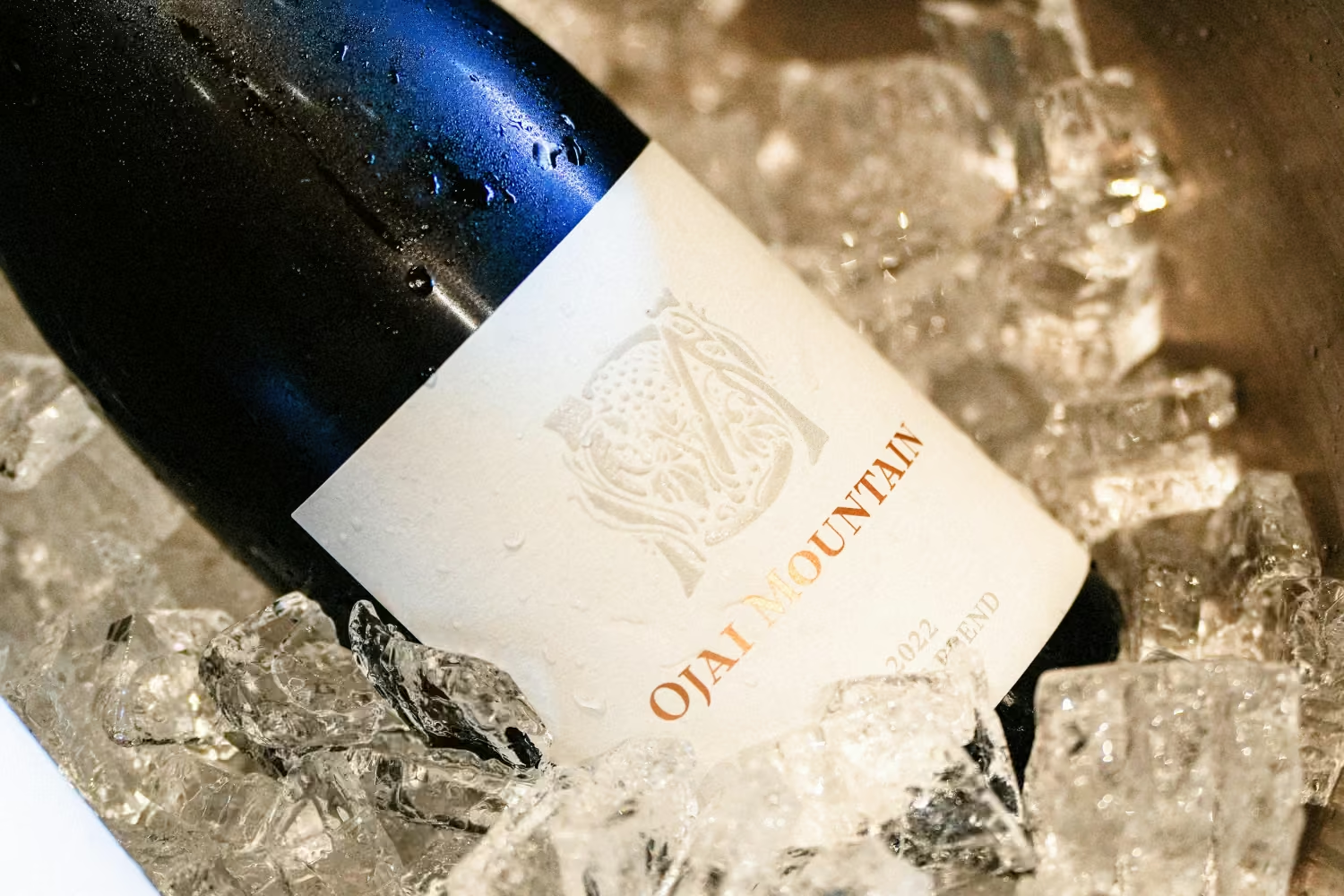
Temperature is one of the most commonly ignored variables in home tasting — and one of the most consequential. Too cold suppresses aroma. Too warm amplifies alcohol and flattens structure.
| WINE TYPE | IDEAL TEMP | PRACTICAL GUIDE |
|---|---|---|
Sparkling | 6–9°C / 43–48°F | Fully chilled, 2 hours in refrigerator |
Light whites, Rosé | 8–10°C / 46–50°F | Refrigerator 90 min, then out for 10 min |
Full whites (Rhône, Chardonnay) | 11–13°C / 52–55°F | Refrigerator 60 min, out for 20 min |
Light reds (Pinot Noir) | 13–15°C / 55–59°F | 15 minutes in refrigerator |
Full reds (Syrah, Grenache) | 16–18°C / 60–65°F | Cool room temperature |
Most people serve red wine too warm and white wine too cold. If your white tastes flat and closed, let it warm five minutes. If your red tastes alcoholic and loose, chill it briefly.
Step 3: Set the Space
The environment shapes the tasting as much as the wine. Three things to get right:
OJAI MOUNTAIN PLAYLISTS ON SPOTIFY
Scan the QR codes in the original Couple's Guide, or search 'Ojai Mountain' on Spotify. → Our Indie Playlist | → Our Jazz Playlist
One glass per wine per person
Still water, room temperature
Plain unsalted crackers
A pen
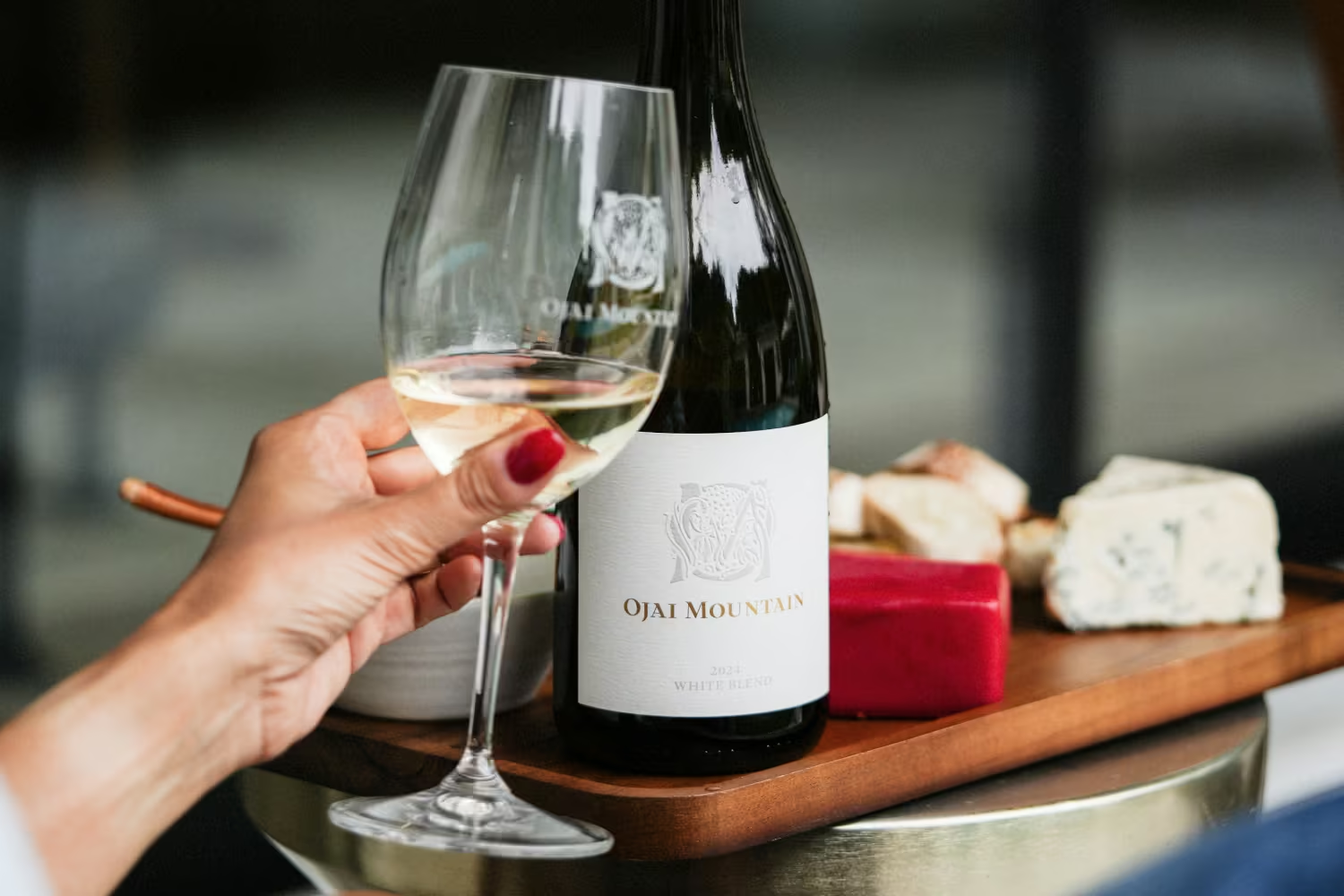
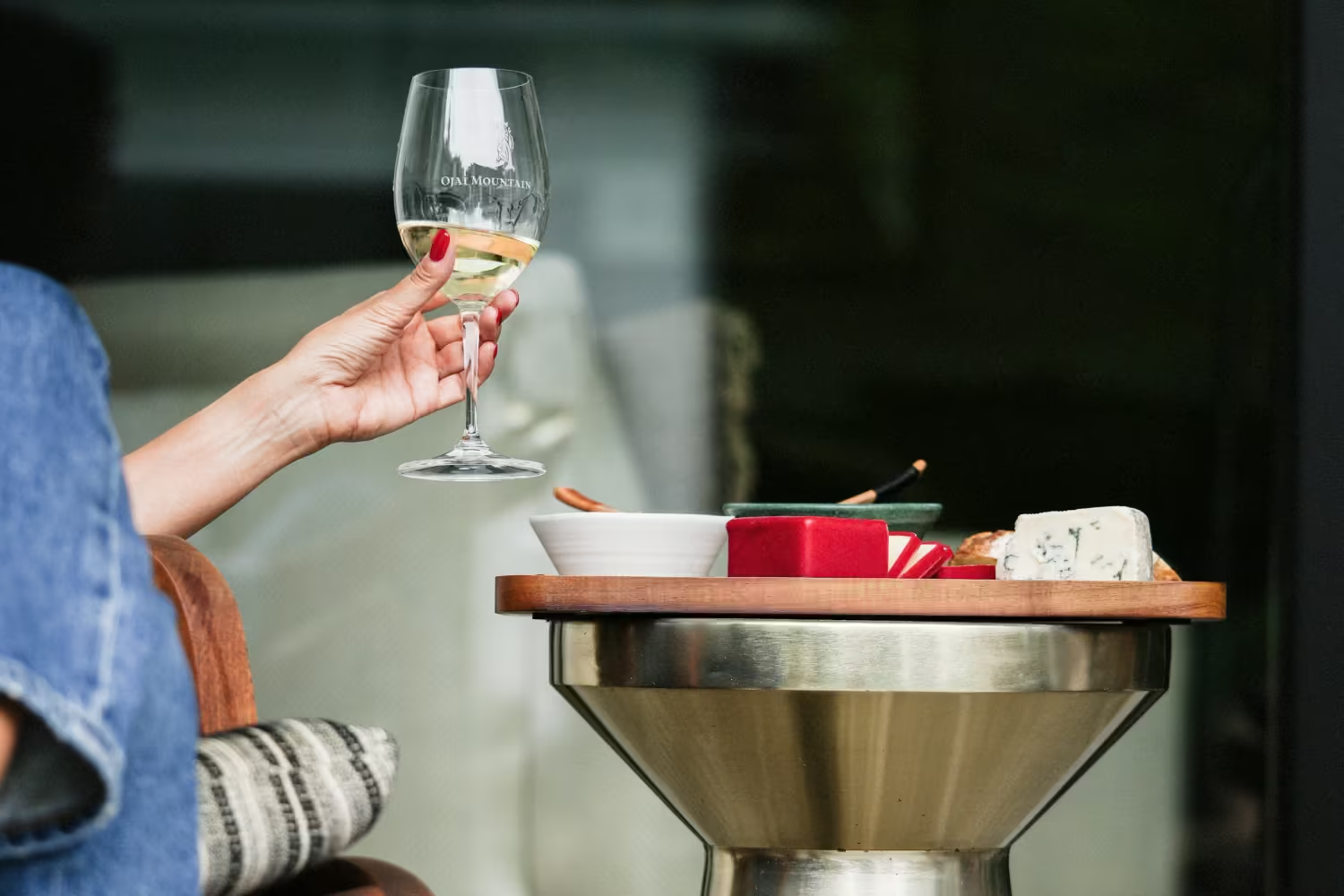
A snack board
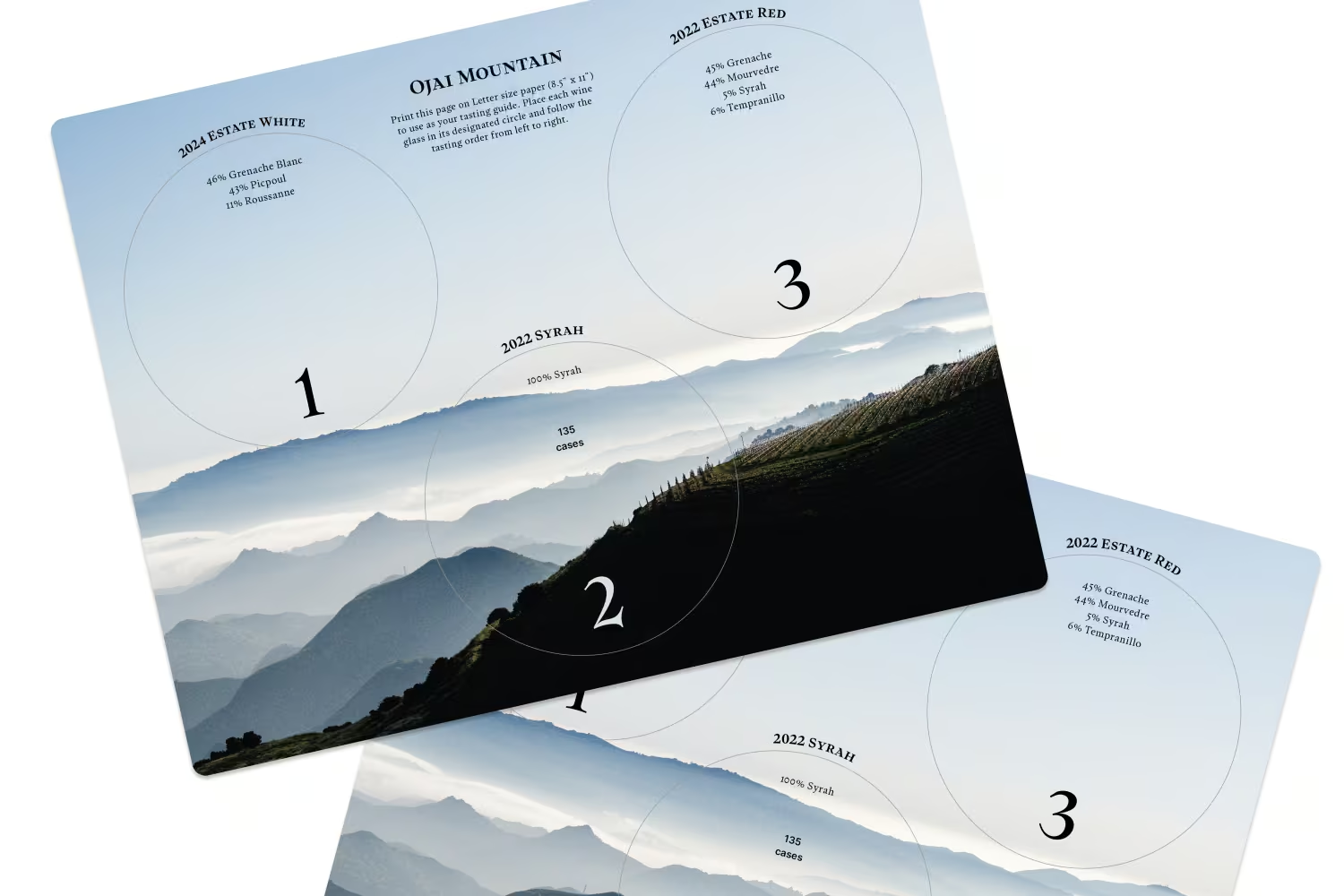
We put together a printable tasting mat you can lay flat on the table — three numbered circles for the glasses in the right order, with a quick summary of each wine's blend, key flavors, and what to look for on the nose and palate. Print it on letter-size paper before your guests arrive.
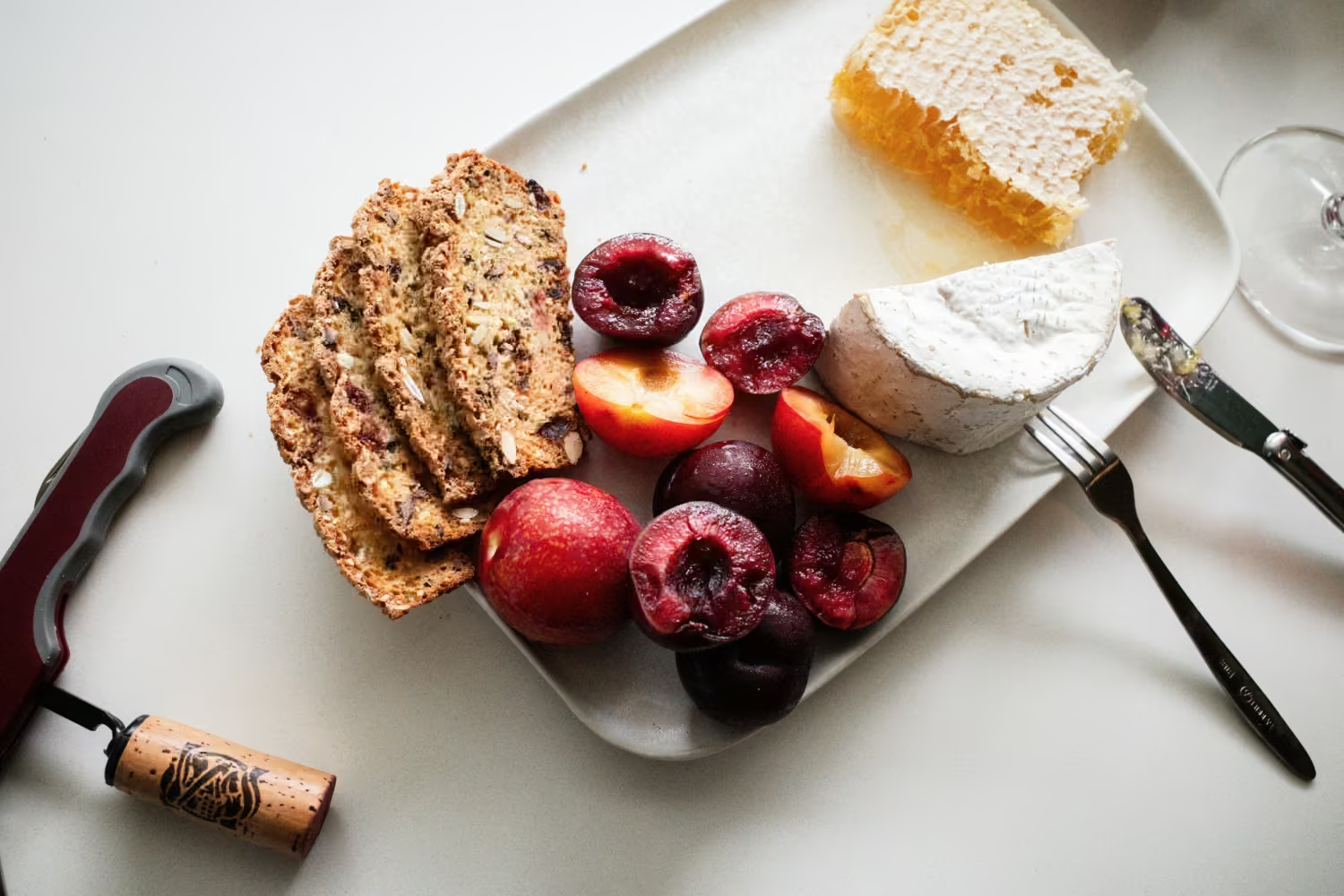
Step 4: Set the Table
What to Eat Alongside
The simplest pairing principle is
| 2024 Estate White | 2022 Syrah | 2022 Estate Red |
|---|---|---|
Aged goat cheese or sheep's milk · Marinated olives · Oysters or crudo · Grilled fish with lemon · Shaved fennel with sea salt · Anything briny or herb-driven. | Prosciutto or salami · Aged hard cheese (Manchego, aged cheddar) · Grilled lamb · Duck · Wild mushrooms · Dark chocolate (70%+) · Anything with char or spice. | Rack of lamb with herbs · Roast chicken · Braised short rib · Comté or Manchego · Figs and dried fruit · Olive tapenade. Grenache likes warmth; Mourvèdre likes earthiness. |
Wines from a place pair naturally with food from that place. Rhône varieties — Syrah, Grenache, Mourvèdre — were shaped by the same landscape as Provençal food: lamb, olives, garlic, herbes de Provence, tapenade. It's not a coincidence. Lean into it.
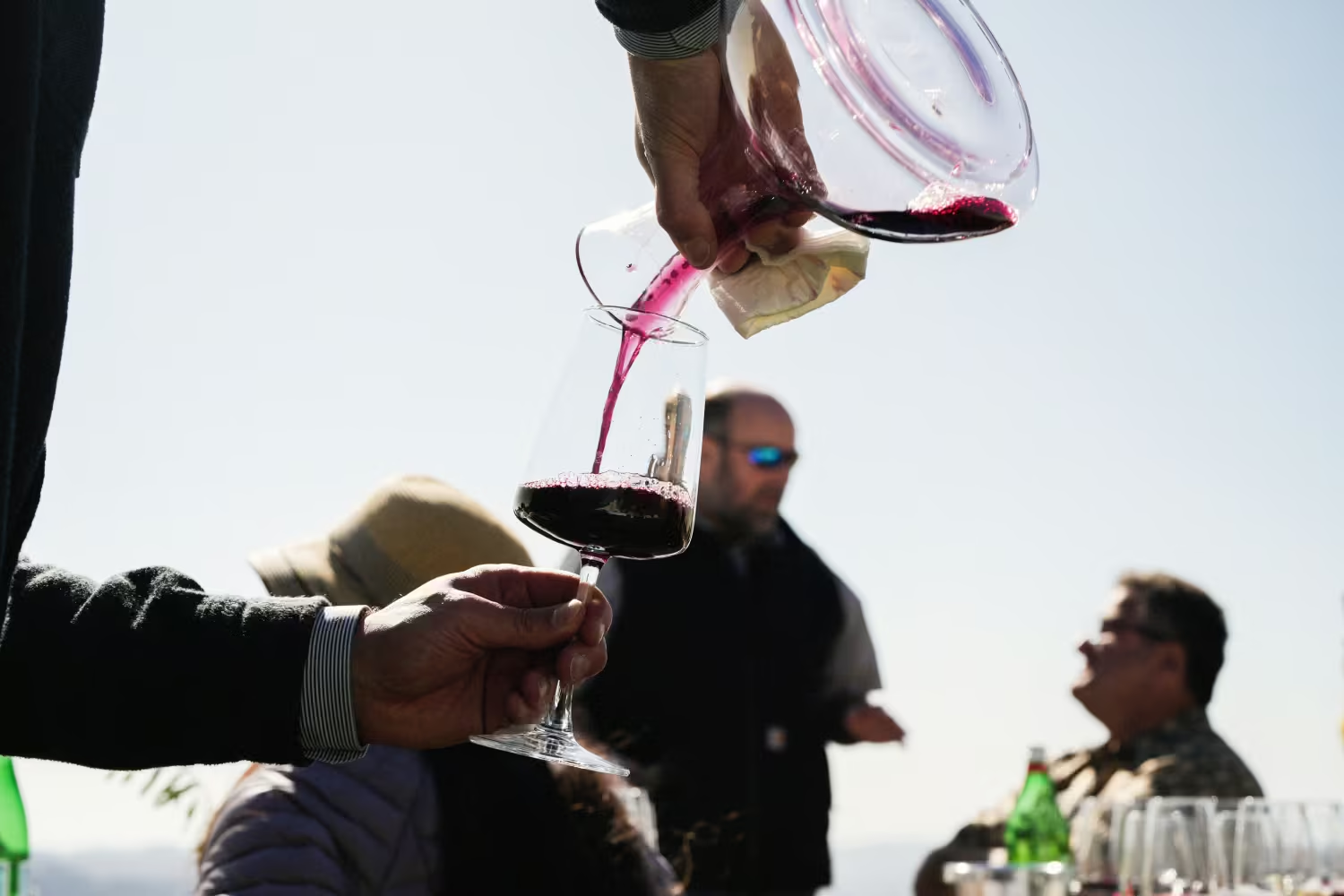
Step 5: Decant If Needed — and Know When Not To
Decanting introduces oxygen, which opens aromatic compounds and softens tannins. It's not magic — it's chemistry.
| DECANT THESE | DON'T DECANT THESE |
|---|---|
Young, tannic reds (Syrah, Mourvèdre, Cabernet) — 30–60 min Full whites with complexity — 15–20 min Old reds with sediment — pour gently over a light | Delicate, old Pinot Noir or Burgundy — oxygen may destroy them Sparkling wine — loses bubbles immediately Light whites — they'll warm too quickly |
IF YOU'RE TASTING THE MOUNTAIN TRILOGY
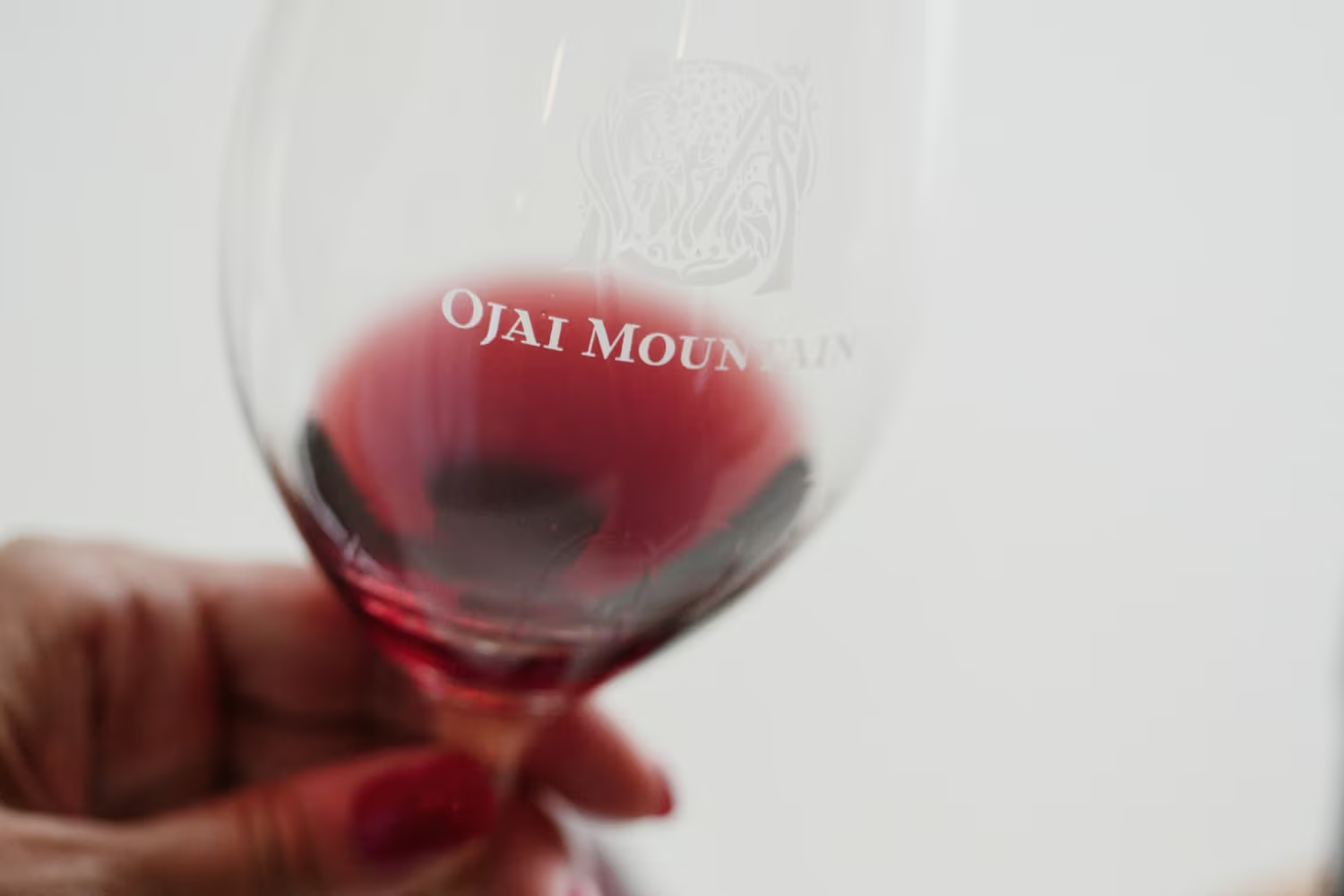
Step 6: Look at the Wine
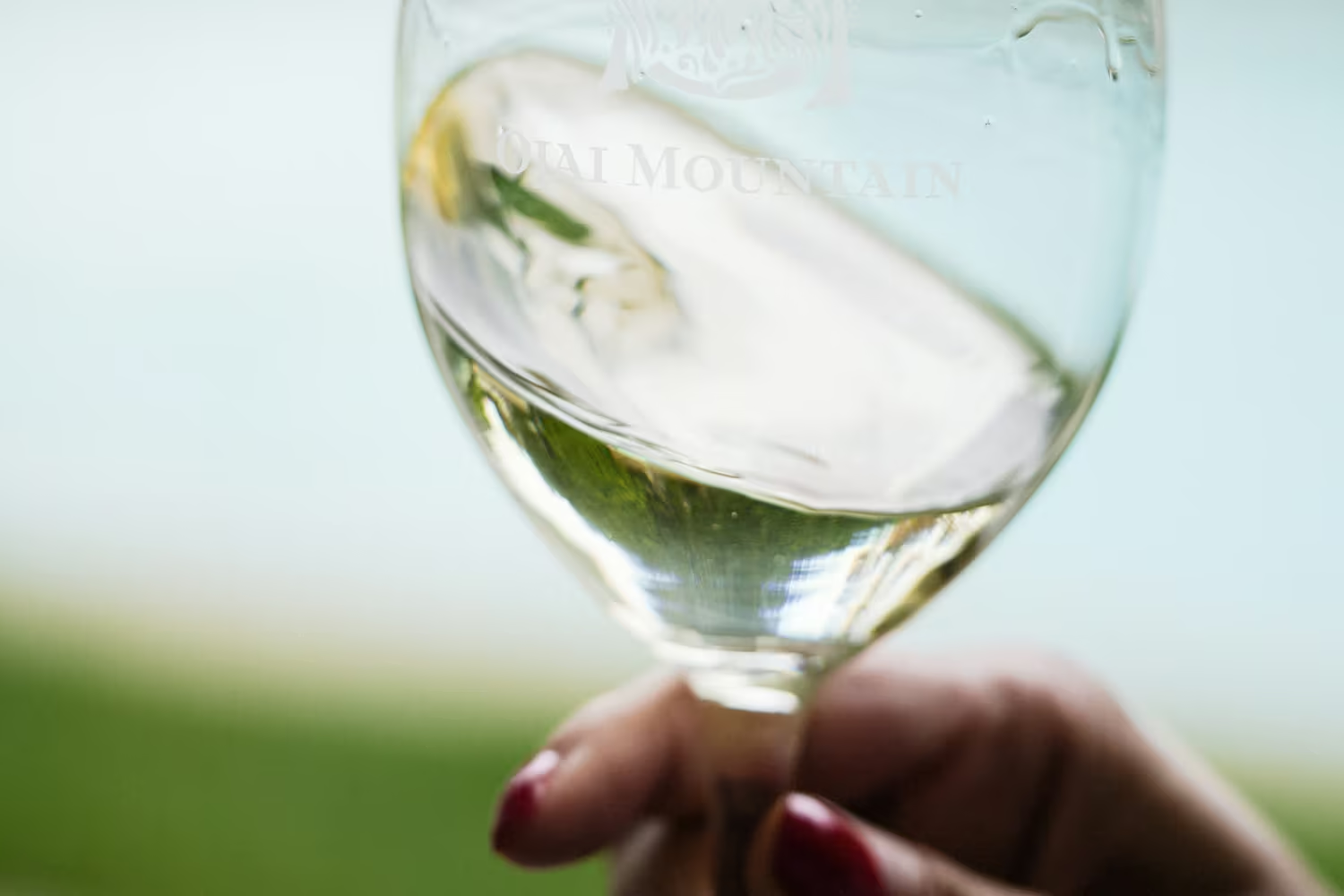
Pour a modest amount — about a third of the glass. Tilt the glass at 45° against your white napkin or tasting mat and observe.
| WHITES | REDS |
|---|---|
Deeper gold suggests barrel aging or time in bottle. Green tints indicate youth and acidity. Amber can warn of oxidation. | Purple at the rim means youth. Garnet suggests mid-age. Tawny or brick tones appear as wines age. |
Step 7: Smell the Wine — Twice
The nose delivers roughly 70% of what we perceive as flavor. This is the most important step — and the most often rushed.
THE TWO-SMELL METHOD
| PRIMARY AROMAS | SECONDARY AROMAS | TERTIARY AROMAS |
|---|---|---|
From the Grape Fruit, floral, herbal. The direct voice of the variety and the vineyard. | Bread, yogurt, cream, butter. Produced by yeast and malolactic fermentation. | Leather, tobacco, mushroom, dried fruit, nuts. The language of time in barrel and bottle. |
Step 8: Taste the Wine — With Method
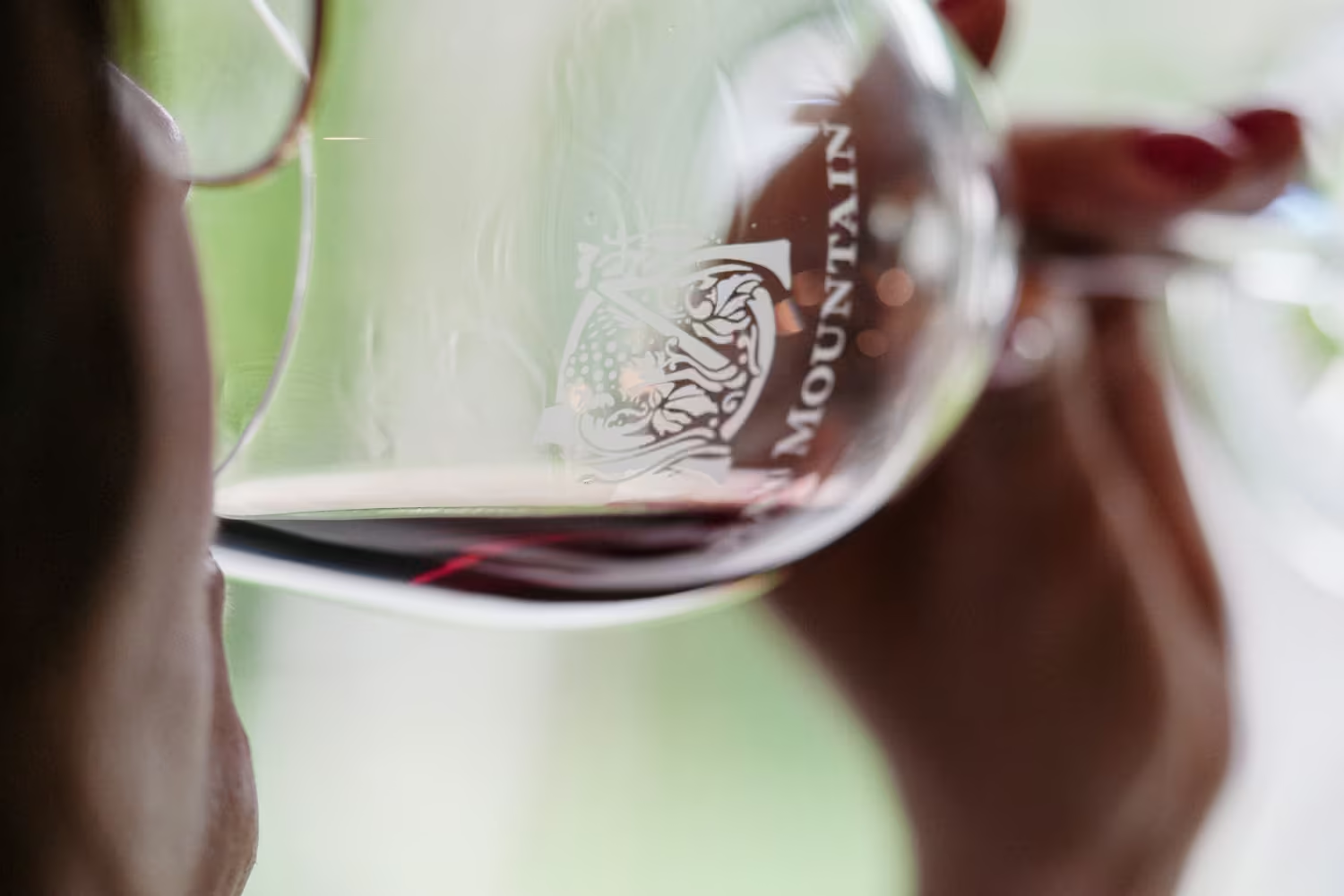
Take a medium sip — not a small polite sip, and not a large gulp. Hold it in your mouth for five seconds and move it deliberately: front, sides, back. Each zone of your palate detects different things.
WHAT TO ASSESS ON THE PALATE
Sweetness — front of tongue. Dry to sweet. Most still wines are dry.Acidity — sides of tongue, salivation. Makes your mouth water. Provides freshness and structure.Tannin — reds only. Drying sensation on gums and cheeks. From grape skins, seeds, and oak.Alcohol — warmth in the back of the throat. Should be in balance with fruit and acid.Body — weight and viscosity. Think: skim milk → whole milk → cream.Finish — how long the flavor lasts after swallowing. Count the seconds. Great wines linger 45+ seconds.
ON SPITTING
Sommeliers spit at professional tastings to preserve palate accuracy across dozens of wines. At a home tasting of 3–6 wines, spitting is optional. If you do spit, use a bucket or jar. Your palate will stay sharper and you'll remember more of what you tasted.
PALATE CLEANSING BETWEEN WINES
Mineral water is better than still for resetting after very tannic reds.
Step 9: Write It Down
Tasting notes feel unnecessary until the moment you try to remember what you tasted in a wine six months ago. Writing forces observation. It also creates a record of your palate's development over time — which is genuinely interesting to look back on.
A SIMPLE FORMAT THAT WORKS
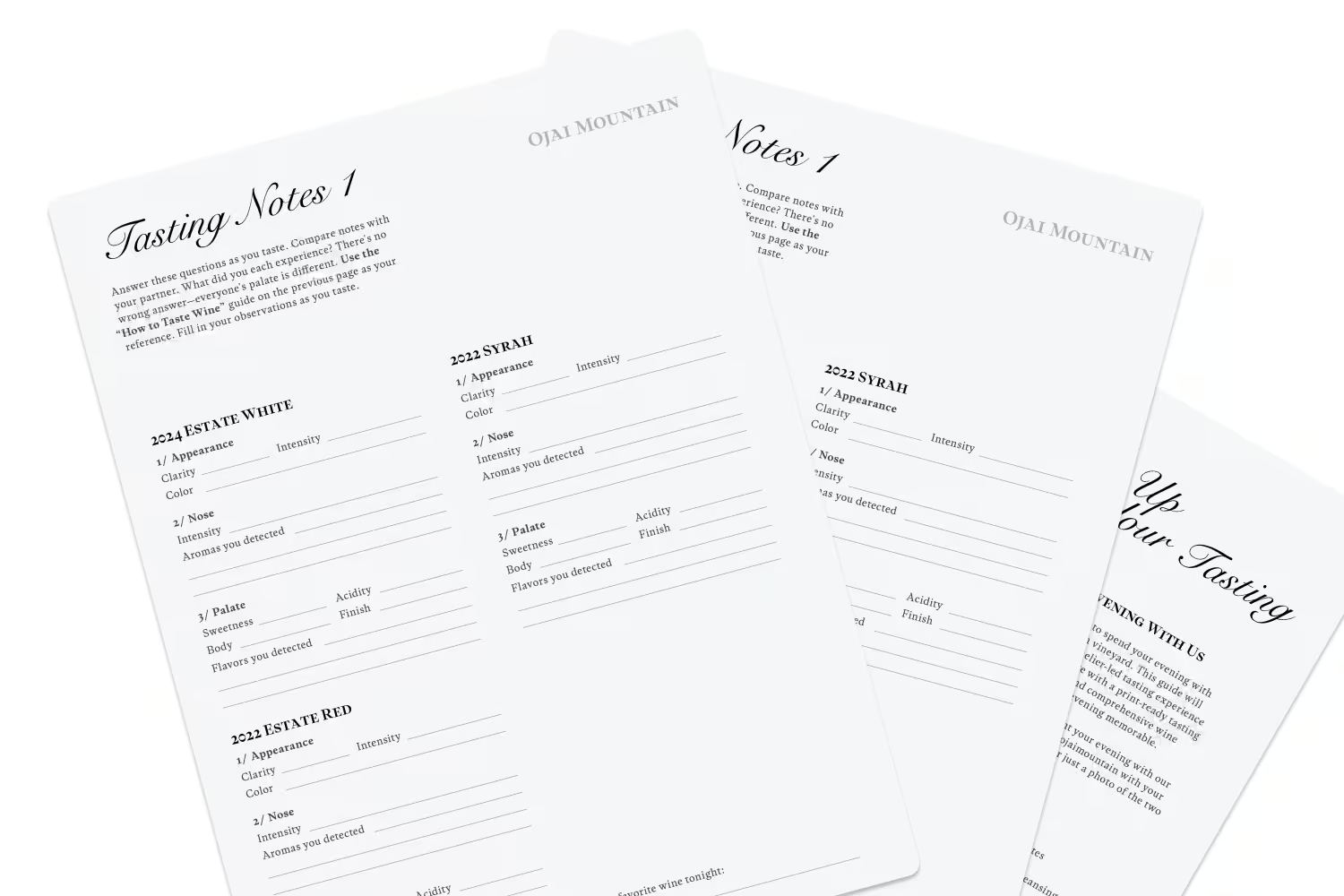
We designed printable tasting note sheets to go alongside this guide — one page per person, with pre-filled boxes for appearance, nose, and palate on each of the three wines, plus space for your conclusion and a spot to pick your favorite of the evening. Just fill in what you taste.
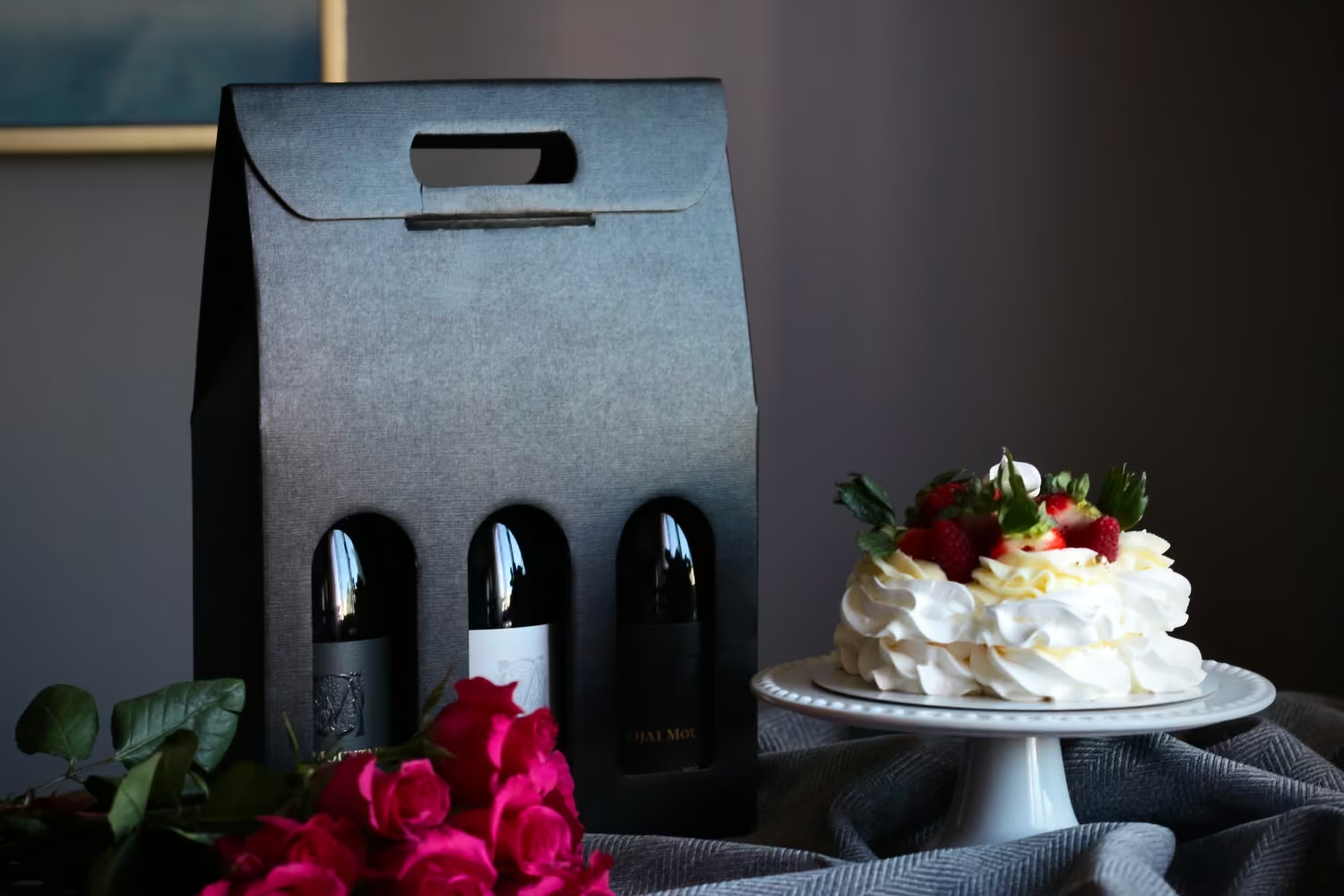
The Mountain Trilogy: Three Wines, One Terroir
Ojai Mountain's wines are designed to be tasted in sequence — white first, then the estate Syrah, then the red blend. Each reveals a different dimension of the same 2,800-foot site: the whites show elevation's effect on acidity and minerality; the Syrah shows what concentrated mountain fruit and minimal intervention produce; the Estate Red shows how Rhône varieties harmonize from a single high-altitude estate.
The tasting mat in the Couple's Guide maps the progression. The QR codes there link to Erich Bradley's winemaker notes for each wine — a useful benchmark for comparing your own observations.
Floral and tropical on the nose, the most vibrant of the set — citrus zest, green pineapple, lychee, and a saline finish that grips and lingers. Roussanne holds the tension without softening it. Wine Enthusiast Cellar Selection. Drink now–2034.
Inky, muscular, and deeply expressive — dark blueberry, coffee, cracked pepper, and violets with firm, building tannins. Vinous awarded 96 Points, calling it “a wine that already feels like it has its own voice.” Wine Enthusiast 94 Points Editors' Choice. Drink now–2040.
A GSM blend with Tempranillo — our most taut and savory Estate Red to date. Boysenberry, pomegranate, white pepper, and crushed stone on a broad, structured palate. Vinous 94 Points. Structured and drinking well now, with years ahead.
FAQs: How to Taste Wine at Home
How many wines should you taste at a home tasting?
Three wines is the ideal number for a first tasting. It gives you enough variety to compare and contrast without fatiguing your palate. Beyond six wines, the later bottles rarely get a fair hearing — your ability to distinguish aromas and flavors diminishes noticeably, and the experience stops being educational. If you want to go deeper, split the tasting into two sessions on separate evenings.
What is the correct order to taste wines?
Always move from lightest to fullest: sparkling first, then whites, then lighter reds, then full-bodied reds. Sweetness always goes last, as it coats the palate and makes everything that follows taste flat. If you are tasting the Mountain Trilogy, the sequence is Estate White, then Syrah, then Estate Red — one estate, three expressions of the same mountain terroir.
What temperature should wine be served at for a home tasting?
Temperature is one of the most consequential and most ignored variables in home tasting. Too cold suppresses aroma; too warm amplifies alcohol and flattens structure.
| Wine Type | Ideal Temp | Practical Guide |
|---|---|---|
Sparkling | 6–9°C / 43–48°F | Fully chilled, 2 hours in refrigerator |
Light whites, Rosé | 8–10°C / 46–50°F | Refrigerator 90 min, then out for 10 min |
Full whites (Rhône, Chardonnay) | 11–13°C / 52–55°F | Refrigerator 60 min, out for 20 min |
Light reds (Pinot Noir) | 13–15°C / 55–59°F | 15 minutes in refrigerator |
Full reds (Syrah, Grenache) | 16–18°C / 60–65°F | Cool room temperature |
Most people serve red wine too warm and white wine too cold. If your white tastes flat and closed, let it warm five minutes. If your red tastes alcoholic and loose, chill it briefly.
Do you need to decant wine before tasting at home?
It depends on the wine. Young, tannic reds — Syrah, Mourvèdre, Cabernet — benefit from 30 to 60 minutes in a decanter, which opens aromatic compounds and softens tannins. Full whites with complexity can handle 15 to 20 minutes. Do not decant sparkling wine (it loses its bubbles immediately), delicate old Pinot Noir or Burgundy (oxygen can destroy them), or light whites (they warm too quickly).
No decanter? A large wine glass works. Pour the wine in, swirl vigorously for 30 seconds, and let it rest for 20 minutes. It will not match a proper decant, but it opens the wine meaningfully.
What should you write down when tasting wine at home?
Writing forces observation and creates a record of your palate's development over time. A simple format that works:
Appearance: Color, clarity, depth.Nose: Three aromas, in order of intensity. What arrives first? What changes after swirling?Palate: Sweetness, acidity, tannin, body, finish — then the specific flavors you tasted.Conclusion: One sentence. What did this wine remind you of? Would you buy it again? When would you drink it?
The goal is not to use the right vocabulary. It is to pay attention. Write down what the wine reminds you of, however personal or unexpected — a smell does not have to appear on a published aroma wheel to be valid.
What foods work best for a home wine tasting?
The simplest pairing principle is weight: light wines with lighter food, full-bodied reds with something substantial. Keep the table simple during the tasting itself — plain unsalted crackers and still water for palate cleansing between wines. Save the cheese board for when you are ready to settle into a favorite.
If you are tasting Rhône varieties like Syrah, Grenache, and Mourvèdre, lean into the cuisine of the same region: lamb, olives, garlic, herbes de Provence, tapenade, aged hard cheeses. Wines from a place pair naturally with food from that place.
What are the most common mistakes to avoid at a home wine tasting?
Skipping the nose. The nose delivers roughly 70% of what we perceive as flavor. Rushing past it means missing most of what the wine has to say.Pouring too much. A third of the glass is enough. A full glass limits your ability to swirl and concentrate aromas.Strong scents in the room. Candles, heavy perfume, and cooking smells compete directly with the wine's aromas. Taste in a neutral-scented environment.Tasting too many wines. More than six wines in a single session overwhelms the palate. Three is the sweet spot.
Share this post
Recent Posts
View All Posts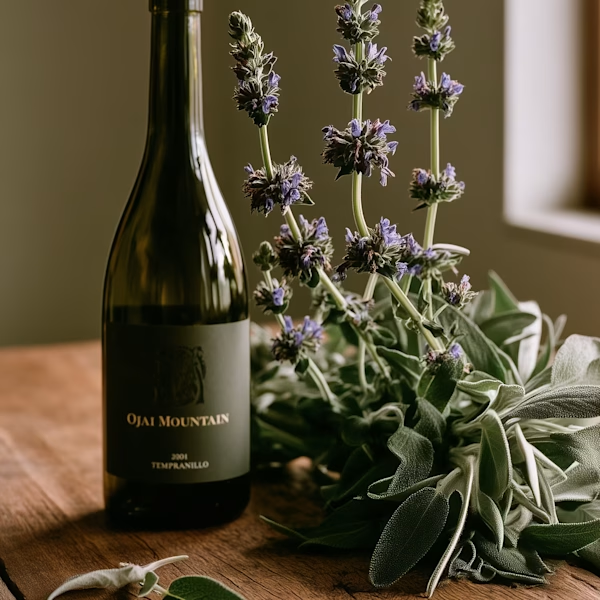
Lesia Artymovych • 20 Sept 2026
The Scent of the Mountain: Chaparral, Syrah, and Ojai Terroir
Ojai Mountain’s wines can carry aromas that recall the chaparral surrounding the vineyard: sage, dried herbs, pepper, and wildflowers. Science does no...
Lesia Artymovych • 16 Sept 2026
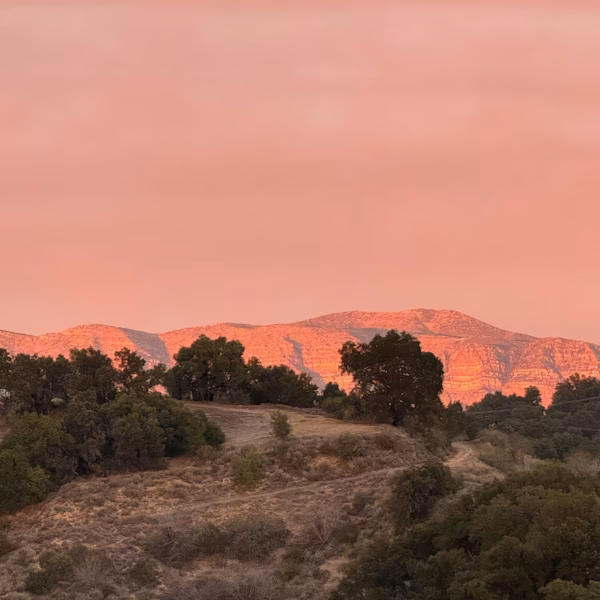
The Ojai Pink Moment: Why the Topa Topa Mountains Glow
Ojai’s Pink Moment is the brief coral, rose, and violet glow that appears on the Topa Topa Mountains around sunset. Warm, low-angle light creates the ...
Lesia Artymovych • 14 Sept 2026
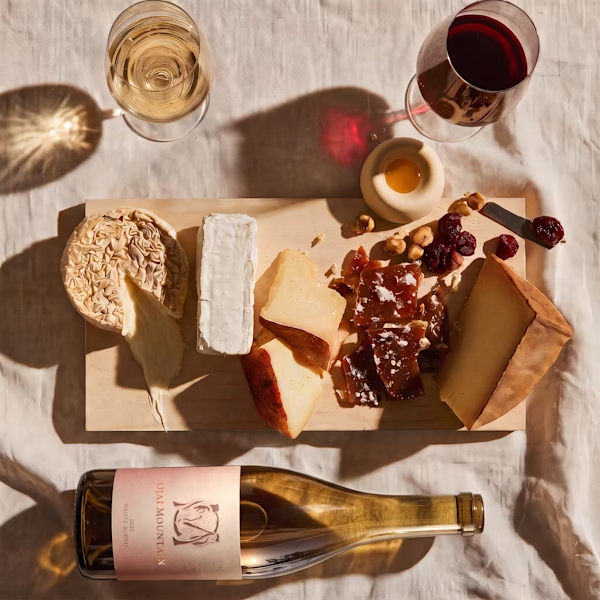
A Guide to Wine and Cheese Pairing at Ojai Mountain
Match intensity to intensity: pair fresh, delicate cheeses with Ojai Mountain's bright Estate Whites, and bold, aged cheeses with its Syrahs and reds....