2021 Harvest Notes: Drought and Restraint
The 2021 harvest at Ojai Mountain proved that young vines can produce serious, site-driven wines even in extreme drought. With only 6.52 inches of rainfall, three-year-old vines ripened slowly under cool marine influence, yielding 500 cases across three wines — including the estate’s first standalone Syrah, which earned 95 points from Vinous.

Ojai Mountain's 2021 harvest arrived after one of the driest years on record, with just 6.52 inches of rainfall. Despite the deficit, cool temperatures and steady marine influence let young, three-year-old vines ripen slowly and evenly, without heat spikes or forced picking decisions. The estate produced 8.75 tons across 4.34 acres, its first vintage to include a standalone Syrah alongside the Estate White and Estate Red, totaling 500 cases and drawing scores as high as 95 points from Vinous.
The Growing Season
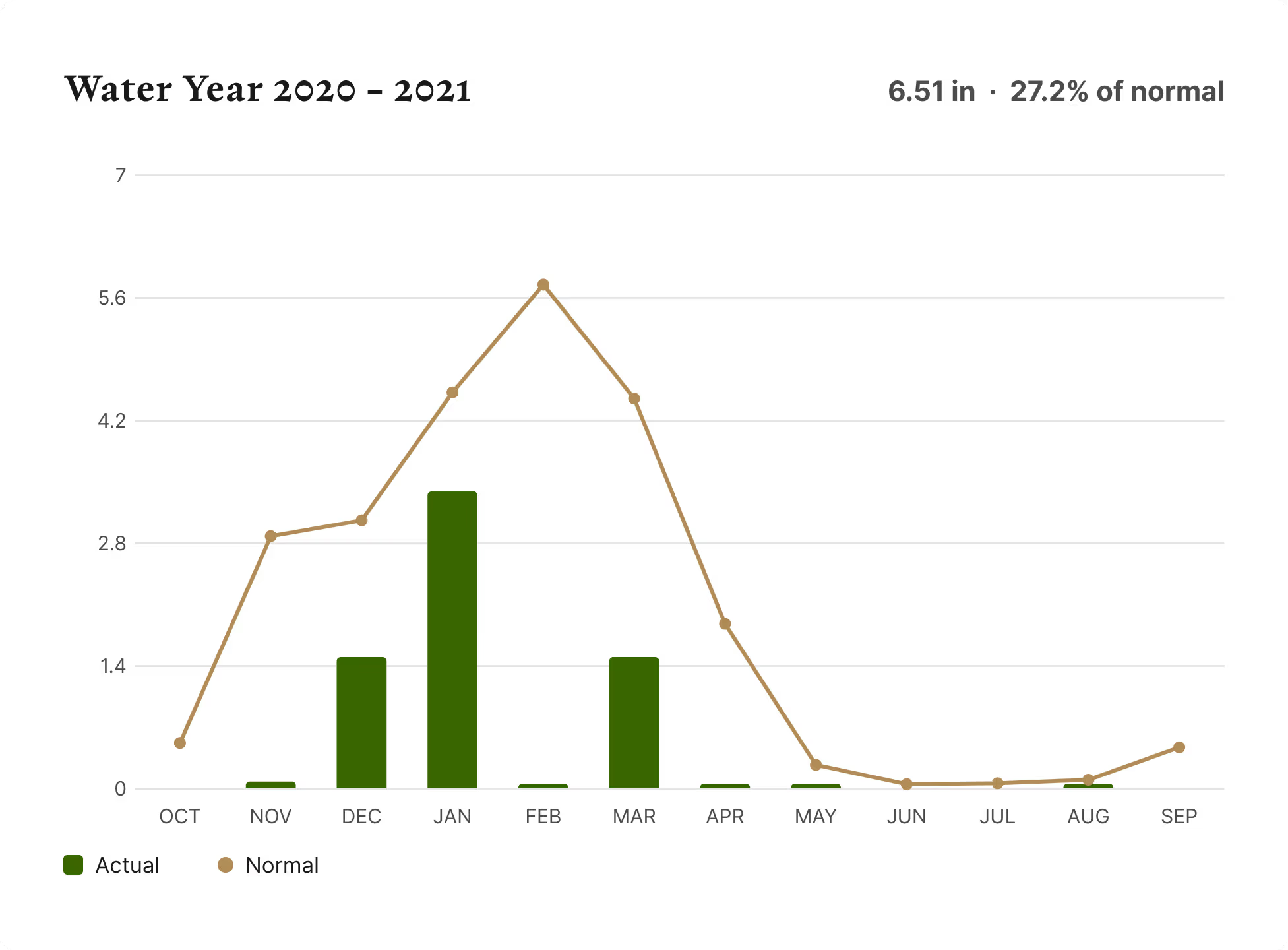
With just 6.52 inches of rainfall recorded from October 2020 through September 2021, 2021 ranked among the driest years in Ojai since 1906. Precipitation was not only scarce but poorly distributed, concentrated in brief windows during December, January, and March, with little meaningful moisture before or after. By the time spring arrived, the soils were already lean.
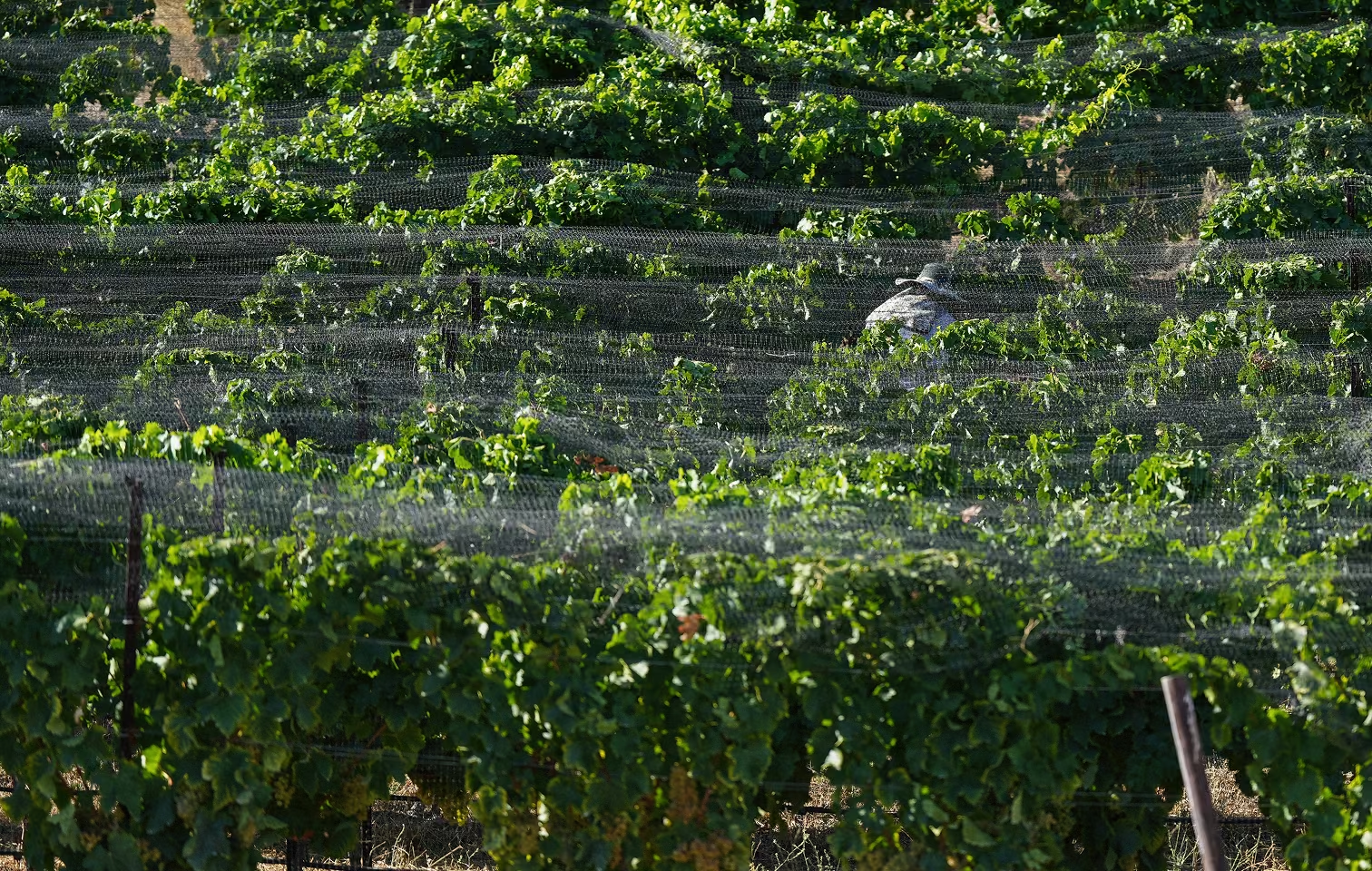
What followed was essentially a dry season from May through harvest — but not a punishing one. No heat spikes, no compression of the ripening curve, no forced decisions. Cool, steady temperatures and persistent marine influence from the Pacific allowed the vines to move through the season slowly and on their own terms. The limited rainfall naturally curtailed canopy growth, resulting in modest, well-balanced canopies that required minimal intervention. Fruit exposure was excellent without the stress-induced shutdown that can accompany drought at lower elevations.
At 2,800 feet, with ancient Monterey shale beneath the vines and the Pacific just 10 miles away, the mountain's natural cooling system made 2021 work in ways a warmer site could not.
2021 by the numbers
| Harvest window | August 26 – September 10 |
|---|---|
| Vineyard size | 4.34 acres |
| Total crop | 8.75 tons |
| Production | 500 cases |
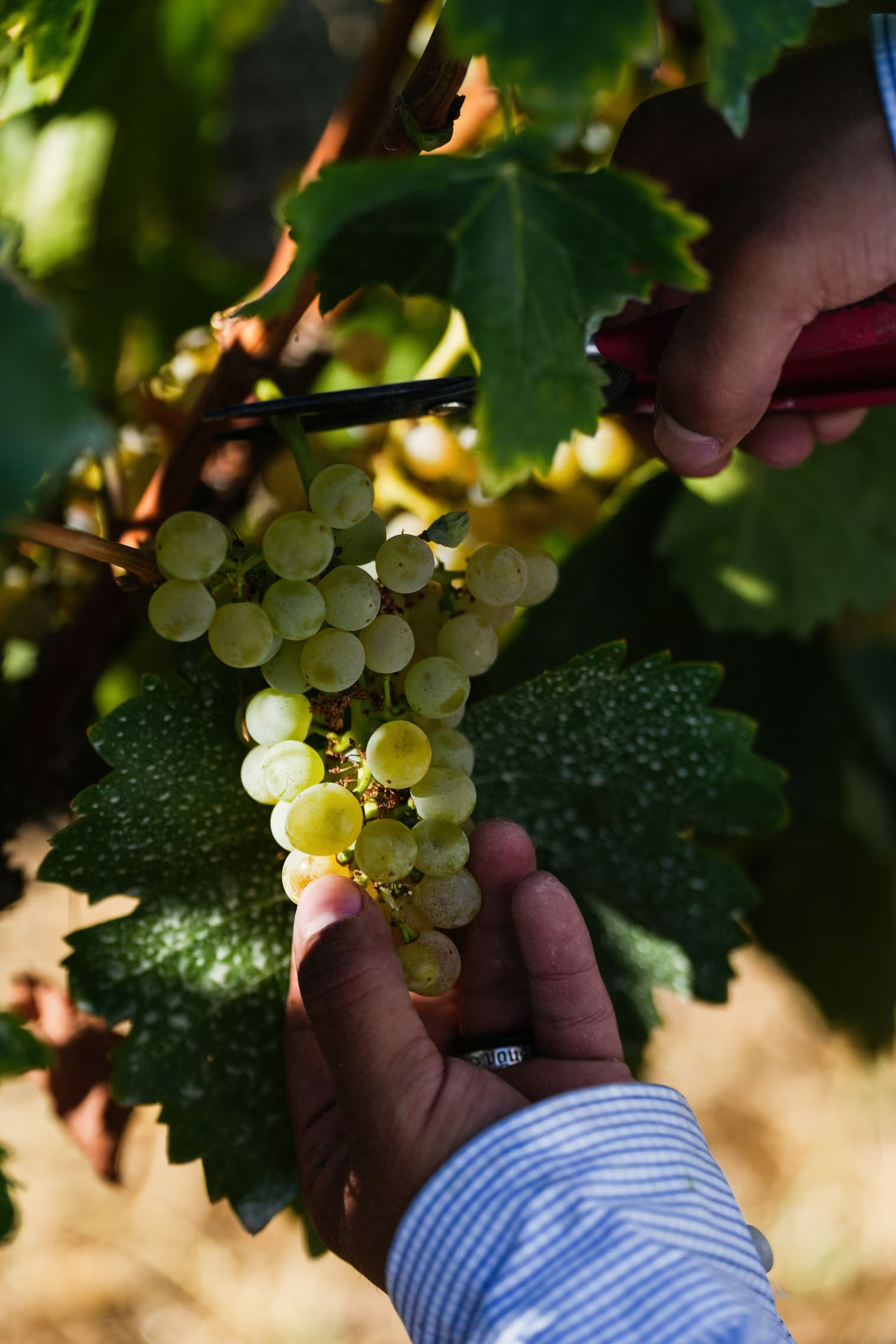
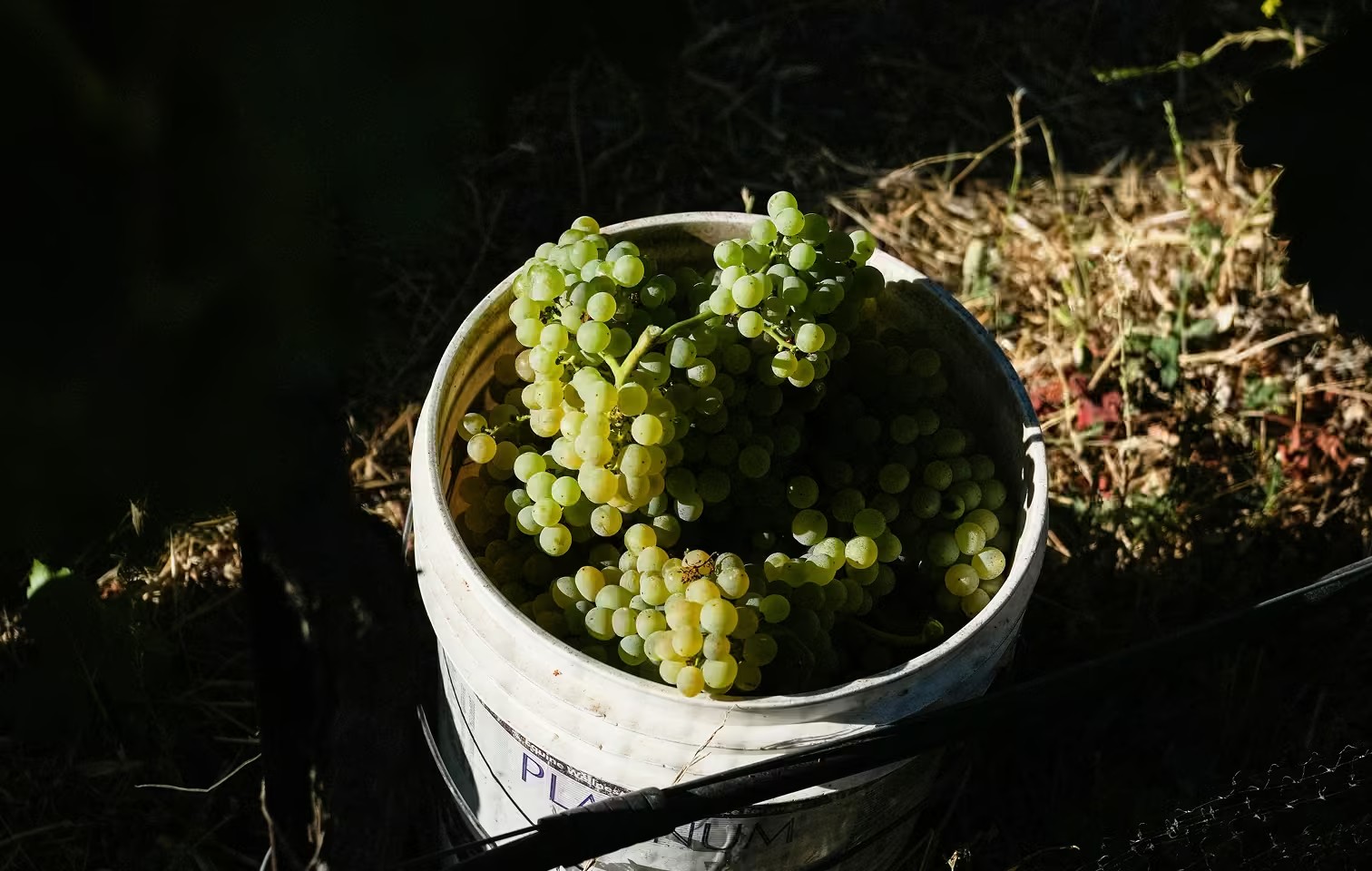
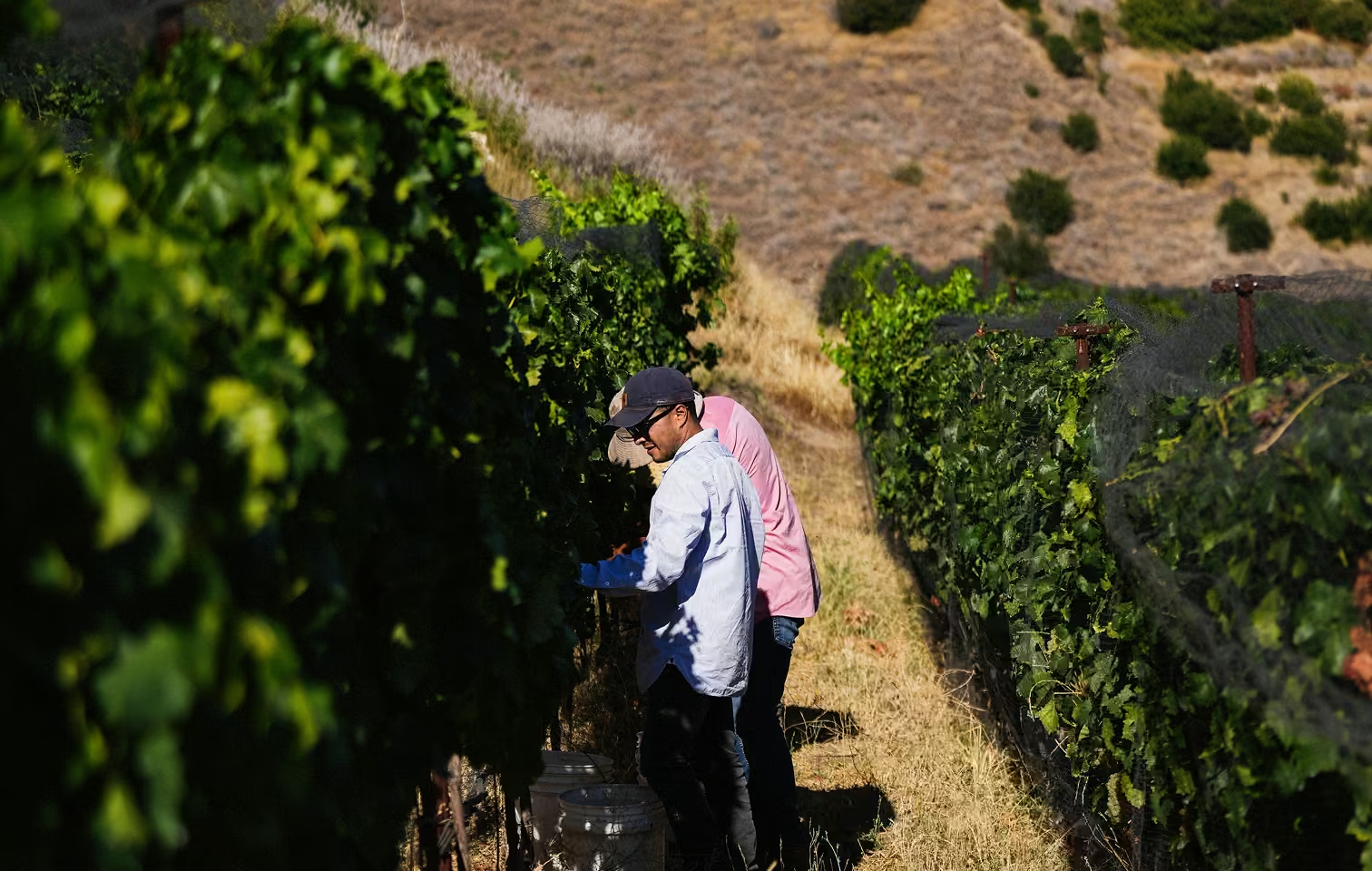
Harvest stretched from late August into early September — August 26 through September 10 for the reds, August 26 for the whites. Clean clusters, precise flavors, and a cool-toned profile throughout. Flowering had been smooth, yields naturally modest. The vines arrived at harvest without drama.
Total production across 4.34 planted acres reached 8.75 tons, averaging 2.0 tons per acre. The Rhône whites — Picpoul and Grenache Blanc — showed particularly strong adaptation to the dry conditions. Syrah, Grenache, and Mourvèdre settled into balanced, moderate yields that suited their vine age and the mountain's character.
2020–2021 Growing Season
The 2020–2021 season was defined by an almost complete absence of the mid-winter storm activity the estate typically relies on. December and February — normally two of the wettest months on the mountain — delivered next to nothing (1.49" and 0.02" against normals of 3.05" and 5.74"), with only a modest January pulse (3.38") breaking an otherwise bone-dry winter. Vines moved through dormancy and into budbreak with minimal soil moisture recharge, a pattern that favors small berries, low vigor, and naturally restrained yields — conditions well suited to concentrated, structured Rhône fruit, though one that also tests dry-farmed vines and root depth.
Young Vine Performance
At three years old, the vines were still early in their productive life, a stage where drought years can expose shallow root reserves and produce uneven ripening. These vines didn't show that strain. They self-regulated with composure, producing fruit with clarity and structure that belied their age. Vinous put it plainly: the Syrah was "a potent, muscular wine with more power than it should have for a wine from three-year-old vines."
The Wines
The 2021 vintage isn't a loud one. What it offers is freshness without sharpness, structure without heaviness, and a proportion that comes from steady conditions rather than correction. This was also the first vintage to include a standalone Estate Syrah alongside the Estate White and Estate Red.
2021 Estate White — 132 cases |
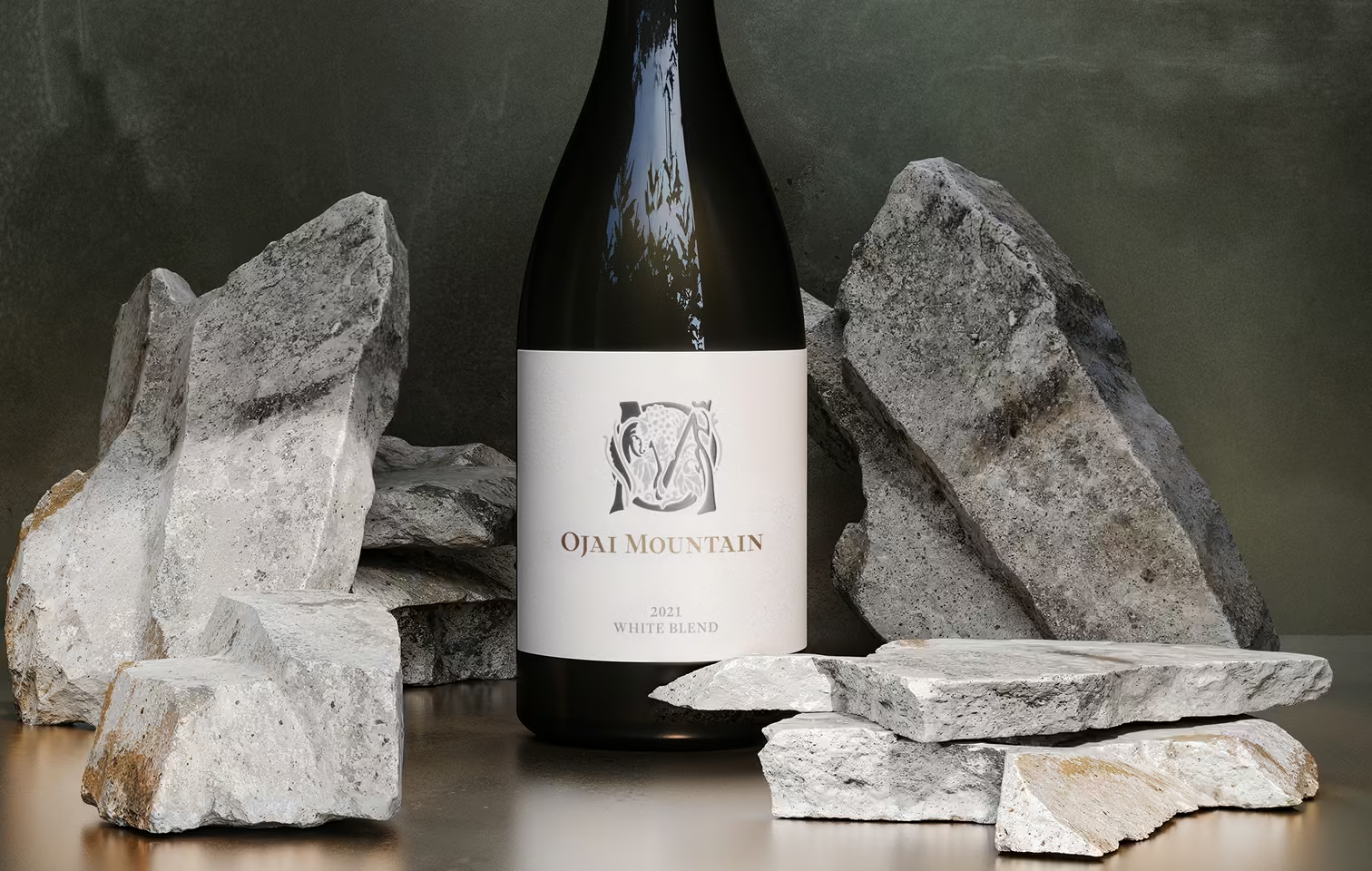
2021 Estate White
Harvested August 26. 12.8% alcohol. Bright and citrus-driven, with key lime, stone fruit, marzipan, and a long mineral finish.
Vinous 93 points: "a discernible site signature already in place — I can't wait to see what this site will do as the vines age." Wine Enthusiast 91 points.
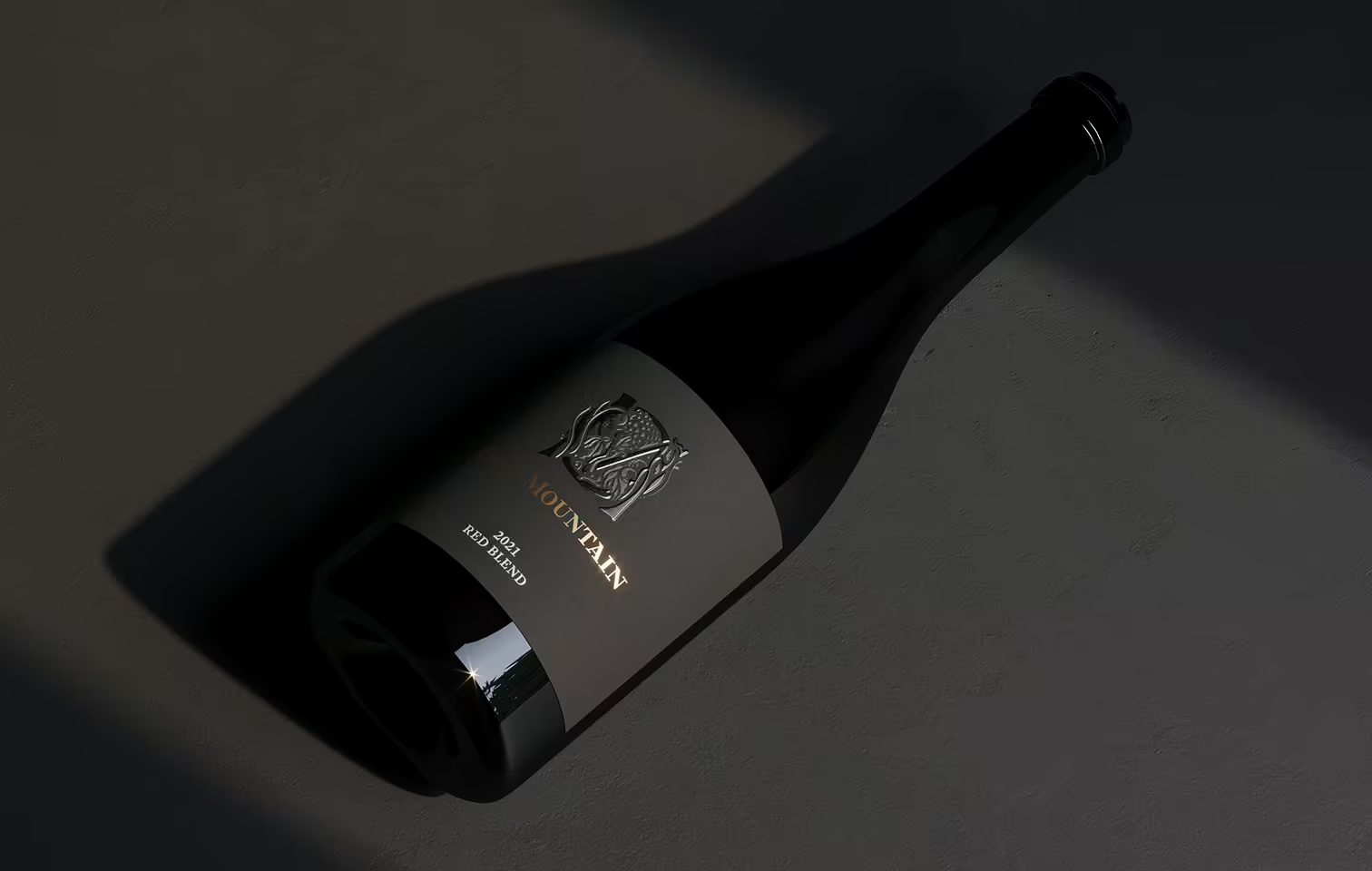
2021 Estate Red
Harvested August 26-September 10. 14% alcohol. Dark berries, saddle leather, espresso, and mocha spice, with firm tannins and bright acidity.
Vinous 93 points: "intense, deeply concentrated flavors come across with precision and no excess weight — there's so much character here." Wine Enthusiast 93 points. Decanter 92 points.
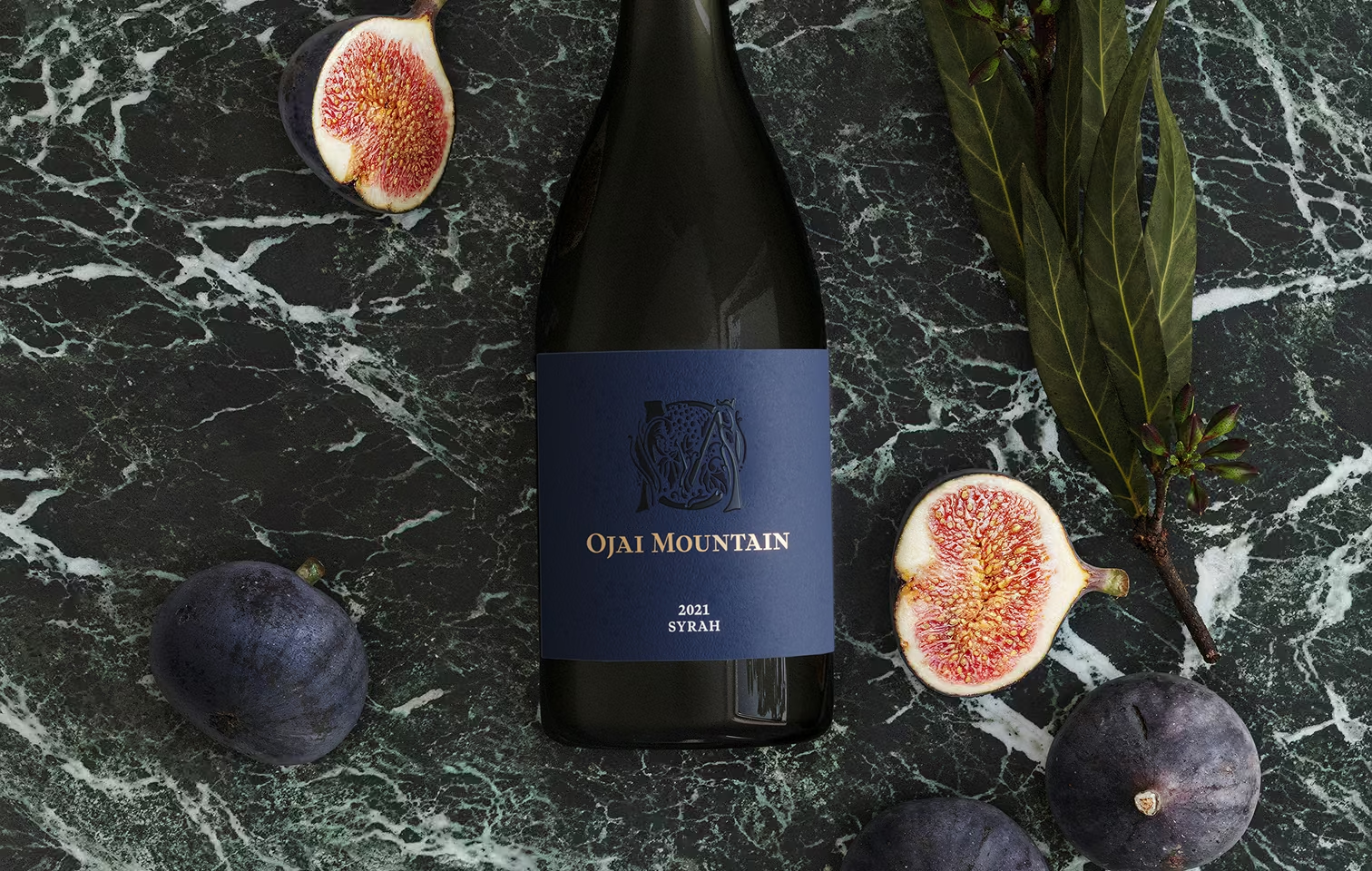
2021 Estate Syrah
Harvested September 1. 14.3% alcohol. Aged 20 months in 100% neutral French oak. Brooding and opulent, with smoked meat, blackberry, ground pepper, lavender, garrigue, iron, and sea spray.
Vinous 95 points. Jeb Dunnuck 93 points: "one classy Syrah that will evolve gracefully for 10-15 years." Wine Enthusiast 92 points. Decanter 92 points.
Frequently Asked Questions
Harvest ran from August 26 through September 10, 2021, one of the driest years on record for the region, with just 6.52 inches of rainfall between October 2020 and September 2021. Despite that deficit, three-year-old vines moved through the season with composure, producing wines that outperformed their age.
6.52 inches, about 27% of normal. December and February, usually two of the wettest months on the estate, delivered next to nothing, with only a modest January pulse breaking an otherwise dry winter.
8.75 tons across 4.34 acres, averaging 2.0 tons per acre. The Rhône whites, Picpoul and Grenache Blanc, adapted particularly well to the dry conditions, while Syrah, Grenache, and Mourvèdre settled into balanced, moderate yields suited to their vine age.
At three years old, the vines were still early in their productive life, a stage where drought can expose shallow root reserves and produce uneven ripening. These vines self-regulated instead, producing fruit with clarity and structure that belied their age. Vinous described the Syrah as "a potent, muscular wine with more power than it should have for a wine from three-year-old vines."
Three wines, totaling 500 cases: the 2021 Estate White (49% Grenache Blanc, 44% Picpoul, 7% Roussanne, 132 cases), the 2021 Estate Red (30% Grenache, 25% Syrah, 19% Cabernet Sauvignon, 19% Mourvèdre, 7% Cabernet Franc, 283 cases), and the estate's first standalone Estate Syrah (100% Estrella Clone, 85 cases).
Vinous scored the Estate White 93 points and the Estate Red 93 points. The Estate Syrah earned the vintage's top score at 95 points from Vinous, along with 93 from Jeb Dunnuck, 92 from Wine Enthusiast, and 92 from Decanter.
Share this post
Recent Posts
View All Posts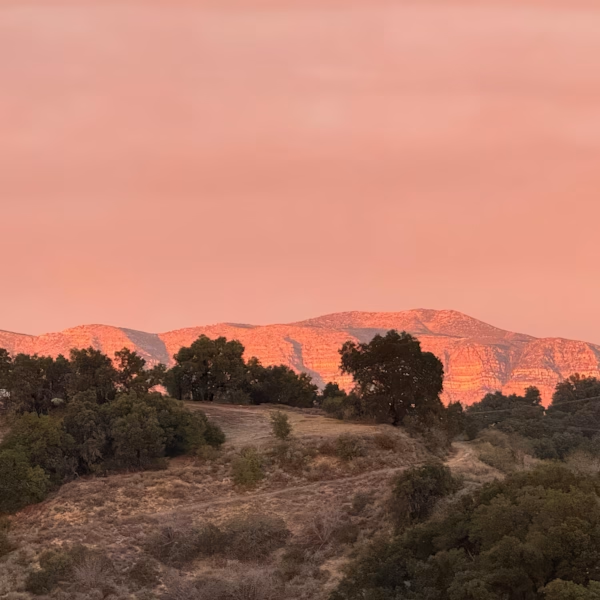
Lesia Artymovych • 16 Sept 2026
The Ojai Pink Moment: Why the Topa Topa Mountains Glow
Ojai’s Pink Moment is the brief coral, rose, and violet glow that appears on the Topa Topa Mountains around sunset. Warm, low-angle light creates the ...
Lesia Artymovych • 14 Sept 2026
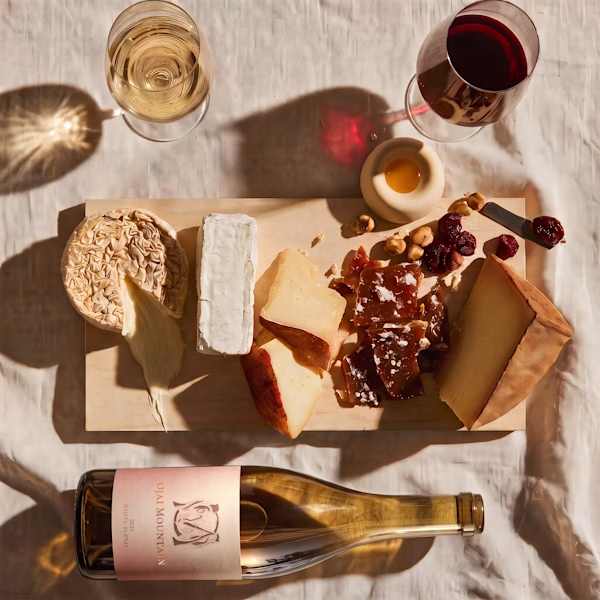
A Guide to Wine and Cheese Pairing at Ojai Mountain
Match intensity to intensity: pair fresh, delicate cheeses with Ojai Mountain's bright Estate Whites, and bold, aged cheeses with its Syrahs and reds....
Lesia Artymovych • 8 Sept 2026
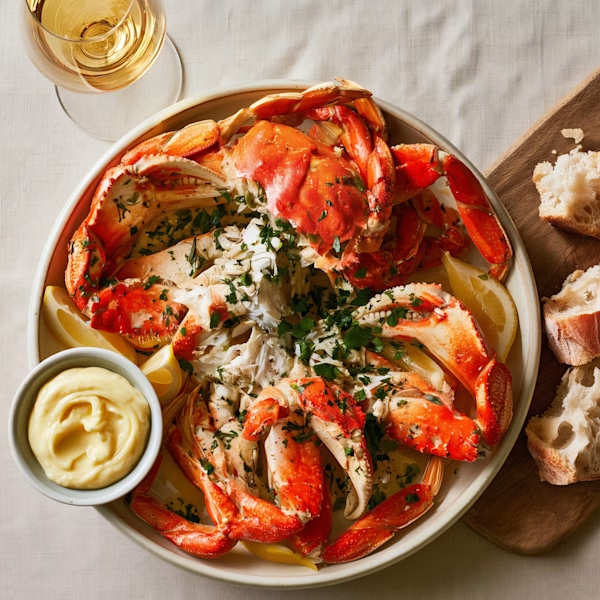
Dungeness Crab with Lemon Aioli and Herbs — 2021 Estate White Blend
Sweet, briny Dungeness crab meets a bright Meyer lemon aioli in an elegant but low-stress dish that can be prepared mostly ahead. Ojai Mountain’s 2021...