
 Log in
Grilled Venison Loin with Blackberry-Juniper Sauce — 2021 Syrah
Juniper-rubbed venison loin is grilled quickly to medium-rare and served with a glossy blackberry, red wine, and juniper sauce. The lean, iron-rich meat and dark fruit sauce mirror the mineral structure and blueberry character of Ojai Mountain’s 2021 Syrah.

Venison Ingredients
The venison and rub
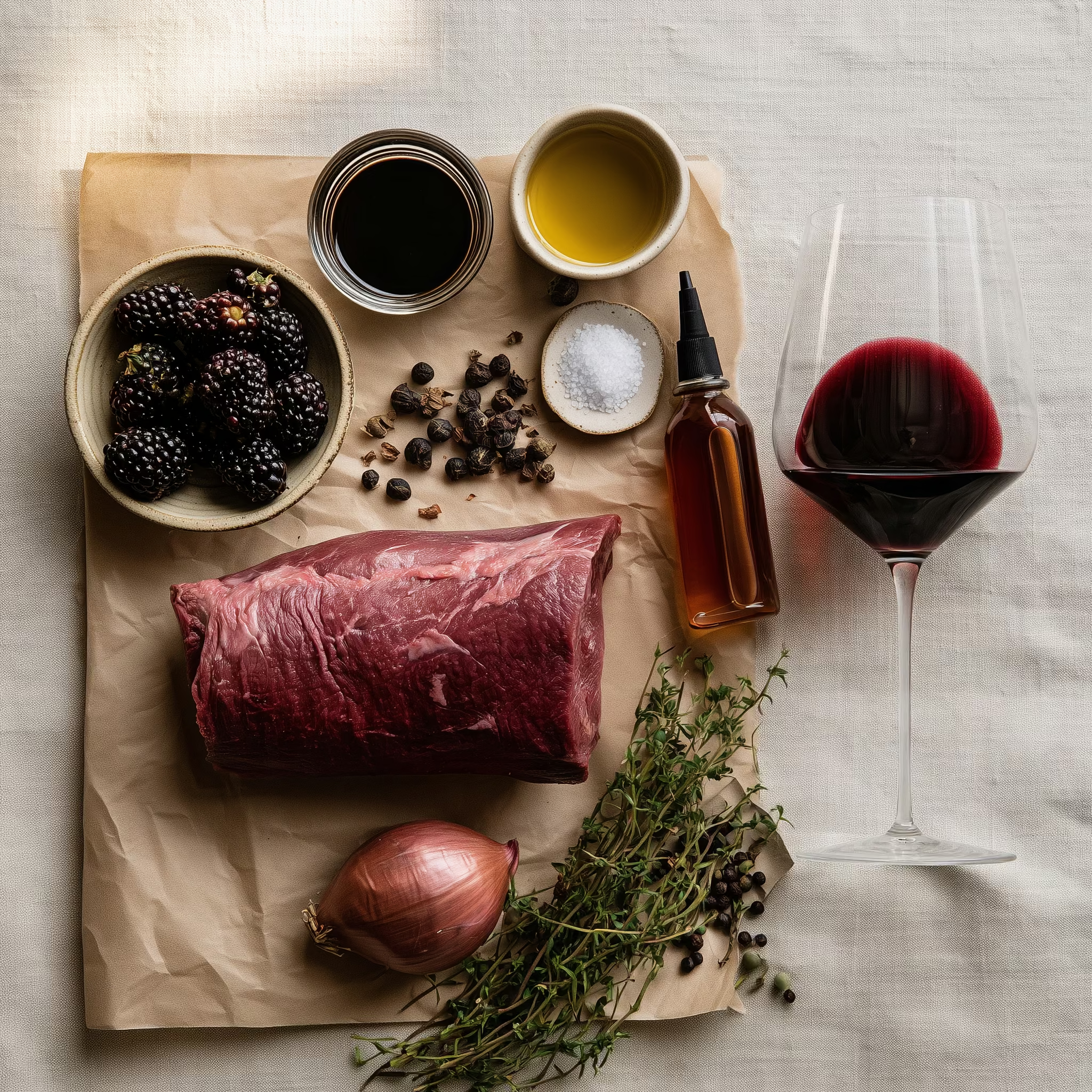
2 venison loin roasts or backstraps (about 1 to 1 1/4 lbs. each), silver skin removed
1 tablespoon juniper berries, lightly toasted and coarsely ground in a mortar or spice grinder
1 teaspoon freshly ground black pepper
1 teaspoon kosher salt
2 tablespoons extra-virgin olive oil, for drizzling
The blackberry juniper sauce
1 shallot, finely minced
1 tablespoon unsalted butter, plus 2 tablespoons cold butter to finish
1 teaspoon juniper berries, lightly smashed
1/2 cup dry red wine
1 cup good-quality beef stock
1 1/2 cups fresh or frozen blackberries, plus a few whole berries for garnish
1 tablespoon balsamic vinegar
1 teaspoon honey
Kosher salt and freshly ground black pepper
To finish
Fresh thyme sprigs
Flaky sea salt
| Ingredient | Substitution |
|---|---|
| Venison loin / backstrap | Duck breast (adjust technique; see 2023 Syrah recipe); beef tenderloin as a last resort (the pairing logic shifts significantly) |
| Fresh blackberries | Frozen blackberries (excellent; thaw before using); blueberries or black cherries |
| Juniper berries | 1 tablespoon gin added to the sauce (adds the same aromatic note without the texture) |
| Beef stock | Veal stock (richer, more refined); chicken stock (lighter, less complex) |
| Dry red wine for sauce | Use an inexpensive table wine, not the 2021 Syrah itself |
How to Make Grilled Venison Loin with Blackberry and Juniper
Venison loin is the most unforgiving protein in this program. It has almost no intramuscular fat to buffer against overcooking. Medium-rare is the only acceptable doneness; beyond that, the meat tightens and dries rapidly. Read the steps before you start, have your thermometer ready, and do not walk away from the grill.
Step 1: Apply the rub and marinate (4 to 12 hours ahead)
Lightly toast the juniper berries in a dry pan over medium heat for 60 seconds until fragrant. Grind coarsely in a mortar and pestle or spice grinder; you want texture, not powder. Combine with the black pepper and salt.
Remove the silver skin from the venison loins if your butcher has not already done so. Slide a thin, sharp knife under the membrane at one end, hold it taut, and run the knife along the length of the loin in a single motion, angling slightly upward. Pat the meat dry with paper towels.
Drizzle the loins with olive oil and rub the juniper mixture evenly over all surfaces. Place on a plate, cover loosely, and refrigerate for at least 4 hours and up to 12. Remove from the refrigerator 45 minutes before grilling.
Step 2: Make the blackberry sauce (can be made up to 1 day ahead)
Melt 1 tablespoon of butter in a medium saucepan over medium heat. Add the minced shallot and cook, stirring, for 3 minutes until softened but not colored. Add the smashed juniper berries and cook 1 minute more.
Pour in the red wine and bring to a boil. Reduce by half, about 3 minutes. Add the beef stock and bring back to a boil, then reduce heat to medium. Add the blackberries, balsamic vinegar, and honey. Simmer for 8 to 10 minutes, pressing the berries occasionally with the back of a spoon, until they have fully broken down and the sauce has reduced by about a third.
Transfer to a blender and puree until smooth. Hold a kitchen towel firmly over the lid; the sauce is very hot. Strain through a fine-mesh sieve back into the saucepan, pressing to extract all the liquid. Discard the solids.
Return the strained sauce to low heat. Whisk in the cold butter cubes one at a time until incorporated and the sauce is glossy. Taste and adjust with salt, pepper, and a touch more honey if needed. The sauce should be deep, dark, and slightly sweet with a savory, resinous finish from the juniper.
Step 3: Grill the venison (10 minutes)
Heat a gas or charcoal grill to high heat, around 450°F. Oil the grates well.
Grill the venison loins over direct high heat, turning every 3 to 4 minutes, for a total of 12 to 15 minutes, until the internal temperature reaches 130 to 135°F at the thickest point. Venison is lean and cooks faster than beef; check the temperature early and often. A digital thermometer is essential here, not optional.
Transfer to a cutting board and tent loosely with foil. Rest for 5 to 8 minutes. The internal temperature will rise another 3 to 5°F during resting.
Step 4: Slice and serve
Slice the venison loin on the bias into 1/2-inch medallions. Arrange on warmed plates or a platter. Spoon the blackberry sauce generously over and around the slices. Garnish with a few whole fresh blackberries and a sprig of fresh thyme. Finish with a pinch of flaky sea salt.
Wine Pairing Notes: Ojai Mountain 2021 Syrah
The 2021 Syrah is the most architecturally precise of the three Syrah vintages: iron-edged minerality, blueberry precision, and a structure built for long aging. It is the most demanding wine in the program to pair correctly, because its precision means a dish with too much fat or sweetness will flatten it, and a dish with too little weight will leave it feeling austere.
Venison loin solves that problem. Its lean, iron-rich character mirrors the wine's mineral edge without the softening effect of beef fat, which would round off the wine's precision. The blackberry sauce is the second element of the pairing logic: its dark fruit echoes the wine's blueberry character; the juniper's resinous, forest-floor quality connects directly to the wine's savory depth. As Decanter notes, the sauce drives the pairing more than the protein, and here the sauce is purpose-built to meet this specific wine.
Frequently Asked Questions
Farmed venison loin and backstrap are available at specialty butcher shops, high-end grocery stores, and online retailers. New Zealand farmed venison (brands such as Cervena) is the most widely available and consistent option in the US; it is milder than wild venison and reliably tender. Wild venison from a local hunter or specialty processor is excellent if properly field-dressed and aged, but quality varies. Call ahead to your butcher; venison is not always stocked but can usually be ordered with a few days' notice.
A precise, mineral-driven red wine with dark fruit and savory structure pairs best with venison. The meat's lean, iron-rich character needs a wine with enough presence to match it, but without the heavy tannins that can make lean protein taste dry and astringent. Ojai Mountain's 2021 Syrah, with its iron-edged minerality, blueberry precision, and architectural structure, is the most well-matched wine in the program for venison loin: its character mirrors the meat and the blackberry juniper sauce without overwhelming either.
Two things prevent toughness and gaminess: proper sourcing and not overcooking. Farmed venison is reliably mild; wild venison that has been properly field-dressed and aged is also excellent. For cooking, medium-rare (130 to 135°F internal) is the correct target; venison has almost no intramuscular fat and dries out rapidly beyond medium. A juniper and pepper rub applied 4 to 12 hours ahead also helps by drawing out any residual gaminess and building a crust that seals the surface during grilling.
For medium-rare, pull the venison at 130 to 135°F and rest for 5 to 8 minutes; the temperature will rise another 3 to 5°F. The USDA recommends a minimum of 145°F for whole muscle cuts of venison, followed by a 3-minute rest. Most professional cooks and hunters serve venison loin at medium-rare; the choice of doneness is yours, but be aware that venison cooked beyond medium loses its tenderness and distinctive character very quickly.
Yes, and it is recommended. The sauce keeps refrigerated for up to 2 days and reheats well over low heat with a whisk and a splash of stock if it has thickened. Making it ahead removes the only time-sensitive element of the recipe, leaving the grill work as the sole focus on the night of the dinner.
Share this post
Recent Posts
View All Posts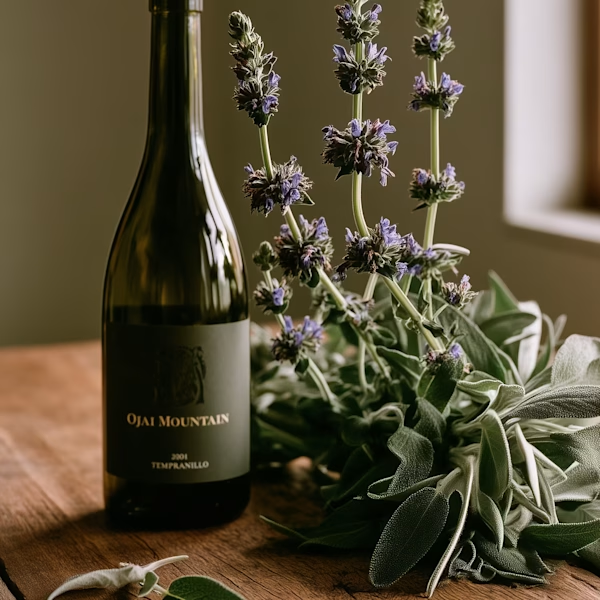
Lesia Artymovych • 20 Sept 2026
The Scent of the Mountain: Chaparral, Syrah, and Ojai Terroir
Ojai Mountain’s wines can carry aromas that recall the chaparral surrounding the vineyard: sage, dried herbs, pepper, and wildflowers. Science does no...
Lesia Artymovych • 16 Sept 2026
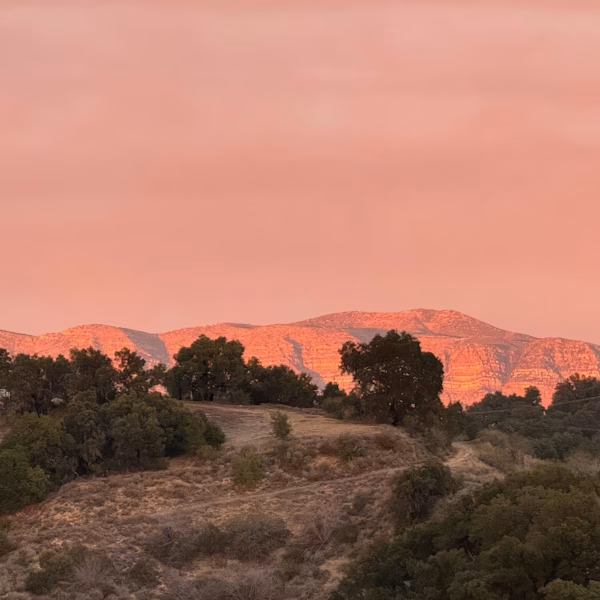
The Ojai Pink Moment: Why the Topa Topa Mountains Glow
Ojai’s Pink Moment is the brief coral, rose, and violet glow that appears on the Topa Topa Mountains around sunset. Warm, low-angle light creates the ...
Lesia Artymovych • 14 Sept 2026
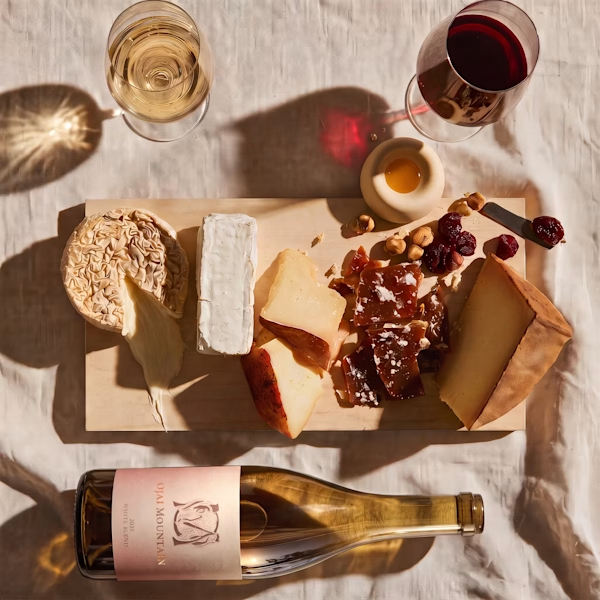
A Guide to Wine and Cheese Pairing at Ojai Mountain
Match intensity to intensity: pair fresh, delicate cheeses with Ojai Mountain's bright Estate Whites, and bold, aged cheeses with its Syrahs and reds....