
 Log in
Traditional Valencian Paella with Ojai Mountain 2024 Tempranillo
This authentic-style paella Valenciana uses chicken, rabbit, green beans, garrofón beans, saffron, and Bomba rice. It does not use seafood or chorizo. The defining technique is the socarrat: a caramelized crust of rice that forms on the bottom of the pan in the final minutes of cooking. Ojai Mountain's 2024 Tempranillo, the winery's first standalone bottling of this Spanish varietal, pairs with the dish through shared Iberian character, its earthy structure and red fruit complementing the saffron-stained rice and savory meat without overpowering either.

Ingredients
The rice and protein
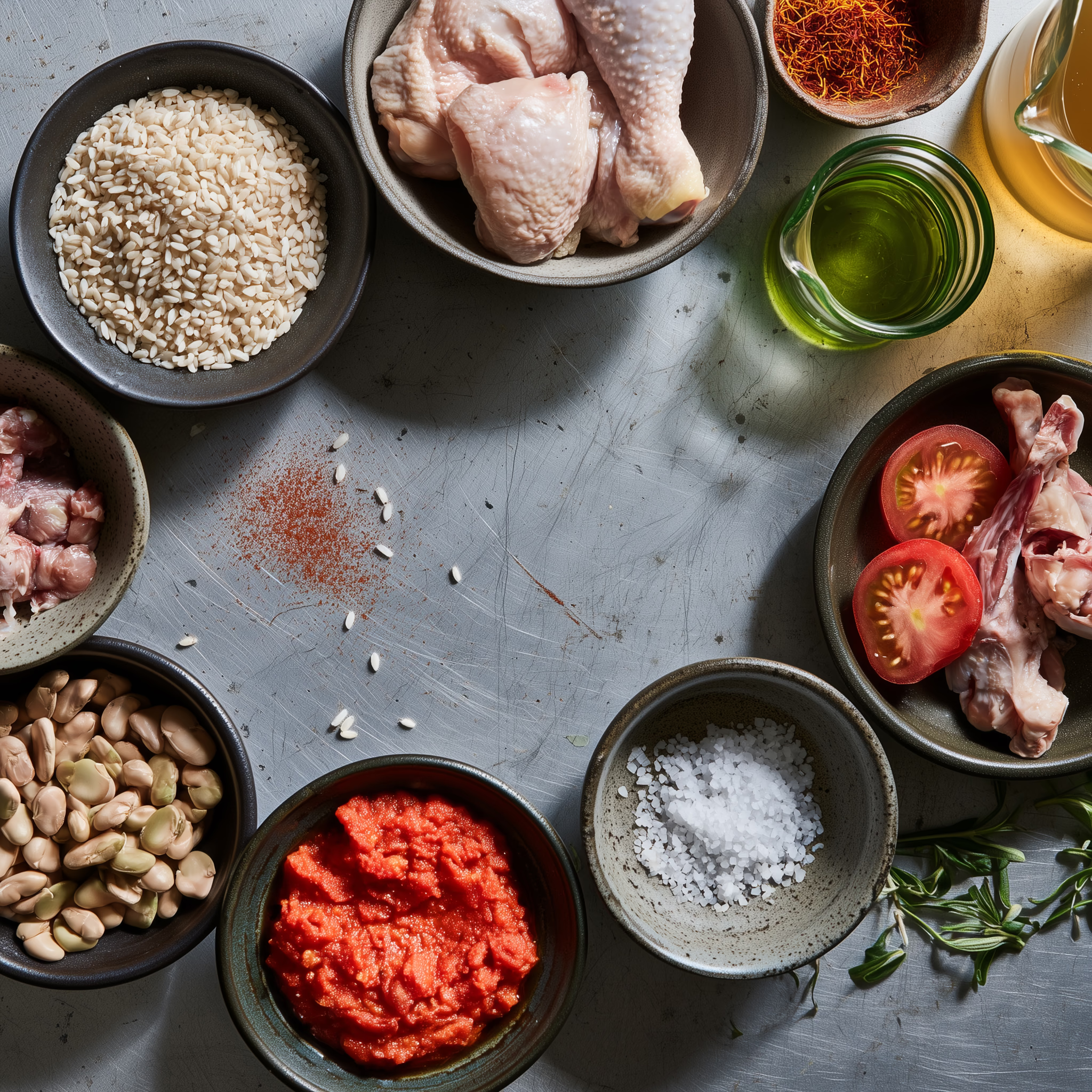
2 cups Bomba rice (or Calasparra; do not substitute long-grain rice)
1 lb. bone-in chicken thighs and drumsticks, cut into small pieces
1 lb. bone-in rabbit, cut into small pieces (see substitution note below)
4 tablespoons extra-virgin olive oil
Kosher salt
The sofrito and aromatics
2 ripe Roma tomatoes, halved and grated on a box grater (discard the skins)
1 teaspoon sweet pimentón de la Vera (smoked Spanish paprika)
1/4 teaspoon saffron threads (about 20 to 25 threads), lightly toasted and steeped in 2 tablespoons warm water for 10 minutes
1 sprig fresh rosemary
The vegetables
200g (about 7 oz.) flat green beans (Romano beans or bajoqueta), trimmed and cut into 2-inch pieces
200g (about 7 oz.) garrofón beans (large white beans; canned butter beans or lima beans are an acceptable substitute)
The liquid
5 cups good chicken stock, kept hot in a separate pot
Water, as needed to adjust
| Ingredient | Substitution |
|---|---|
| Rabbit | An equal weight of bone-in chicken thighs; the flavor is less complex but the technique is identical |
| Bomba rice | Calasparra rice; Arborio as a last resort (reduce liquid slightly) |
| Garrofón beans | Canned butter beans or large lima beans, drained and rinsed |
| Flat green beans | Standard green beans, cut shorter |
| Pimentón de la Vera | Regular sweet paprika; the smoked depth will be less pronounced |
How to Make Traditional Valencian Paella
Paella is not a forgiving dish, but it is a learnable one. The three principles that govern every step are: build flavor in layers, never stir the rice once it is in the pan, and listen for the socarrat.
Step 1: Steep the saffron (30 minutes before cooking)
Lightly toast the saffron threads in a dry pan for 20 to 30 seconds over low heat, just until fragrant. Add them to 2 tablespoons of warm water and let steep for at least 10 minutes. This blooms the saffron and distributes its color and flavor more evenly through the rice than adding dry threads to the pan.
Step 2: Sear the meat (10 minutes)
Heat the olive oil in the paella pan over medium-high heat. Season the chicken and rabbit pieces generously with salt. Sear in a single layer, turning occasionally, until deep golden brown on all sides, about 8 to 10 minutes total. The goal is color and rendered fat, not cooked-through meat; it will finish in the broth.
Push the meat to the edges of the pan.
Step 3: Build the sofrito (8 minutes)
In the center of the pan, add the green beans and sauté for 3 minutes, stirring, until slightly softened and beginning to color.
Add the grated tomato to the center and cook, stirring, until the moisture evaporates and the tomato reduces to a thick, jammy consistency, about 4 minutes. Add the pimentón and stir it through the tomato for 30 seconds exactly. Do not let it burn; burnt paprika turns bitter and cannot be corrected.
Step 4: Add the stock and rice (20 minutes)
Pour in the hot chicken stock and stir everything together to combine the sofrito with the meat and beans. Bring to a vigorous boil over high heat.
Add the saffron water and the garrofón beans. Taste the broth: it should be slightly more seasoned than you want the finished dish to be, because the rice will absorb that salt as it cooks.
Distribute the rice evenly across the pan, spreading it in a cross pattern from one side to the other. Add the rosemary sprig.
Cook on high heat for 8 to 10 minutes, until the liquid level drops to just above the rice.
Step 5: Reduce and finish (10 minutes)
Reduce heat to medium-low and cook for another 8 to 10 minutes, until the remaining liquid is fully absorbed. Remove the rosemary sprig.
Step 6: The socarrat (2 minutes)
The socarrat is the caramelized crust that forms on the bottom of the pan in the final minutes. It is the most prized part of the dish and the mark of a properly made paella.
Increase the heat to medium-high for the final 2 minutes. Listen carefully: you will hear a faint crackling sound as the bottom layer of rice begins to toast against the pan. Smell for a nutty, toasted aroma. When you hear and smell this, remove the pan from heat immediately. If you smell anything acrid or burnt, you have gone too long.
Step 7: Rest and serve
Cover the pan loosely with foil and let it rest for 5 minutes. This allows the socarrat to firm up and the rice to settle.
Bring the pan to the table and serve directly from it. Provide lemon wedges for squeezing over individual portions.
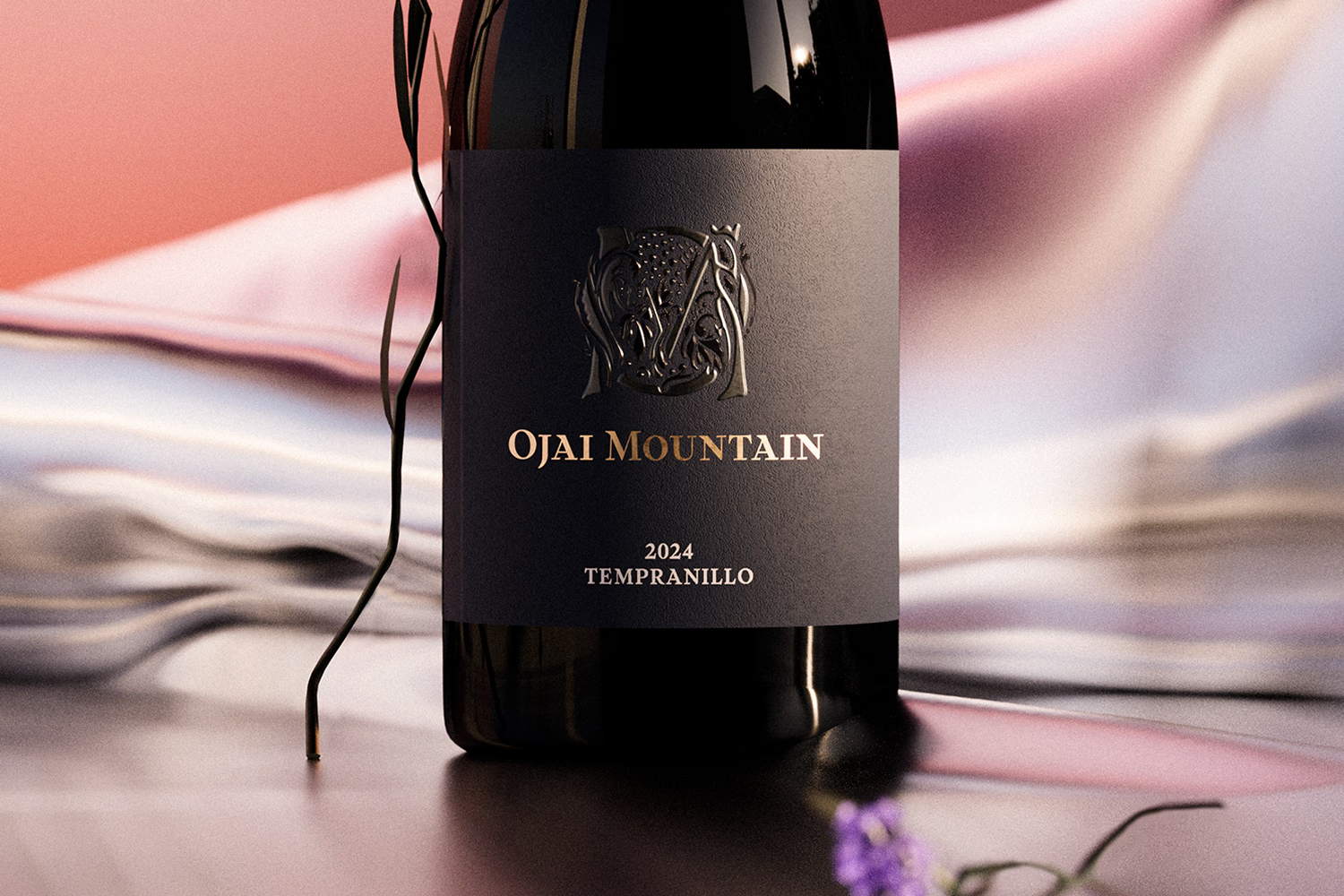
Wine Pairing Notes: Ojai Mountain 2024 Tempranillo
The 2024 Tempranillo is Ojai Mountain's first standalone bottling of this Spanish varietal, grown at 2,800 feet on the estate's Monterey shale soils. It is a meaningful pairing on more than one level: Tempranillo is native to the Iberian Peninsula, and Valencian paella is one of Spain's foundational dishes. The connection is cultural as much as it is structural.
From a flavor standpoint, the pairing works because of complementary earthiness and restraint. Paella Valenciana is not a heavily spiced dish; its depth comes from the sofrito, the saffron, and the rendered fat of well-seared chicken and rabbit. Ojai Mountain's Tempranillo, grown at high elevation with the winery's characteristic minimal intervention approach, brings red fruit, savory structure, and earthy mineral notes without the heavy oak or high alcohol that would overwhelm the rice.
Frequently Asked Questions
Traditional Valencian paella is a Spanish rice dish from the Valencia region, cooked in a wide, shallow pan called a paellera. The authentic recipe uses chicken, rabbit, flat green beans, garrofón beans, tomato, paprika, saffron, and Bomba rice cooked in stock. Seafood paella is a separate and popular variation, but it is not the traditional Valencian preparation.
A medium-bodied, earthy red wine with moderate tannins pairs best with traditional Valencian paella. The dish is savory and aromatic but not heavy, so the wine should complement rather than overpower it. Ojai Mountain's 2024 Tempranillo, grown at high elevation in Ojai, is a natural match: its red fruit, earthy structure, and mineral character align with the saffron, sofrito, and roasted meat in the dish, and its Iberian roots connect culturally to the recipe's origins.
Socarrat is the caramelized crust of rice that forms on the bottom of the paella pan in the final minutes of cooking. It is considered the most prized part of the dish. To achieve it, increase the heat to medium-high in the last 2 minutes of cooking and listen for a faint crackling sound from the bottom of the pan. When you smell a nutty, toasted aroma, remove the pan from heat immediately. Let the paella rest, covered, for 5 minutes before serving; the socarrat will firm up during this time.
Stirring paella rice releases surface starch from the grains, which causes them to clump and creates a creamy texture. That is the desired outcome in risotto, but paella requires each grain to remain separate and firm, absorbing the flavored stock without becoming sticky. Once the rice goes into the pan, leave it completely undisturbed until it is done.
Yes, though the results differ slightly. A wide, shallow stainless steel or cast-iron skillet is the best substitute. The key is surface area: a wider pan means a thinner layer of rice, which cooks more evenly and gives you a better chance of achieving socarrat. A deep pot will produce cooked rice but not the characteristic texture of paella.
Rabbit is traditional and contributes a distinct, slightly gamey flavor that differentiates Valencian paella from other regional variations. That said, it can be substituted with an equal weight of bone-in chicken thighs without changing the technique. The dish will still be excellent; it will simply have a milder, more familiar flavor profile.
Share this post
Recent Posts
View All Posts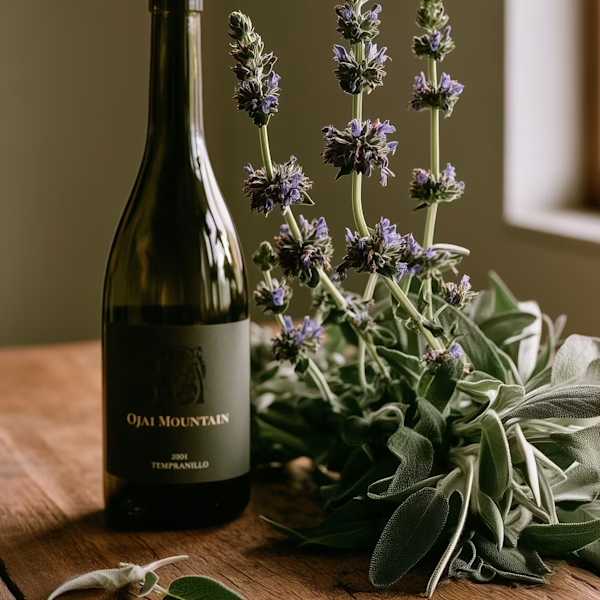
Lesia Artymovych • 20 Sept 2026
The Scent of the Mountain: Chaparral, Syrah, and Ojai Terroir
Ojai Mountain’s wines can carry aromas that recall the chaparral surrounding the vineyard: sage, dried herbs, pepper, and wildflowers. Science does no...

Lesia Artymovych • 16 Sept 2026
The Ojai Pink Moment: Why the Topa Topa Mountains Glow
Ojai’s Pink Moment is the brief coral, rose, and violet glow that appears on the Topa Topa Mountains around sunset. Warm, low-angle light creates the ...
Lesia Artymovych • 14 Sept 2026
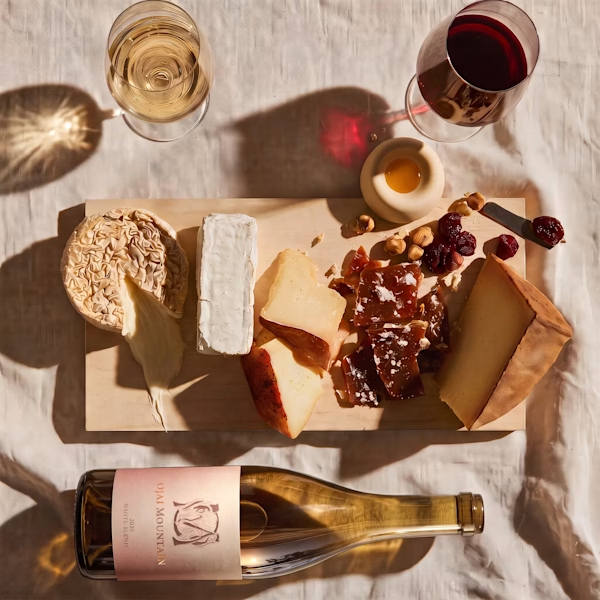
A Guide to Wine and Cheese Pairing at Ojai Mountain
Match intensity to intensity: pair fresh, delicate cheeses with Ojai Mountain's bright Estate Whites, and bold, aged cheeses with its Syrahs and reds....