
 Log in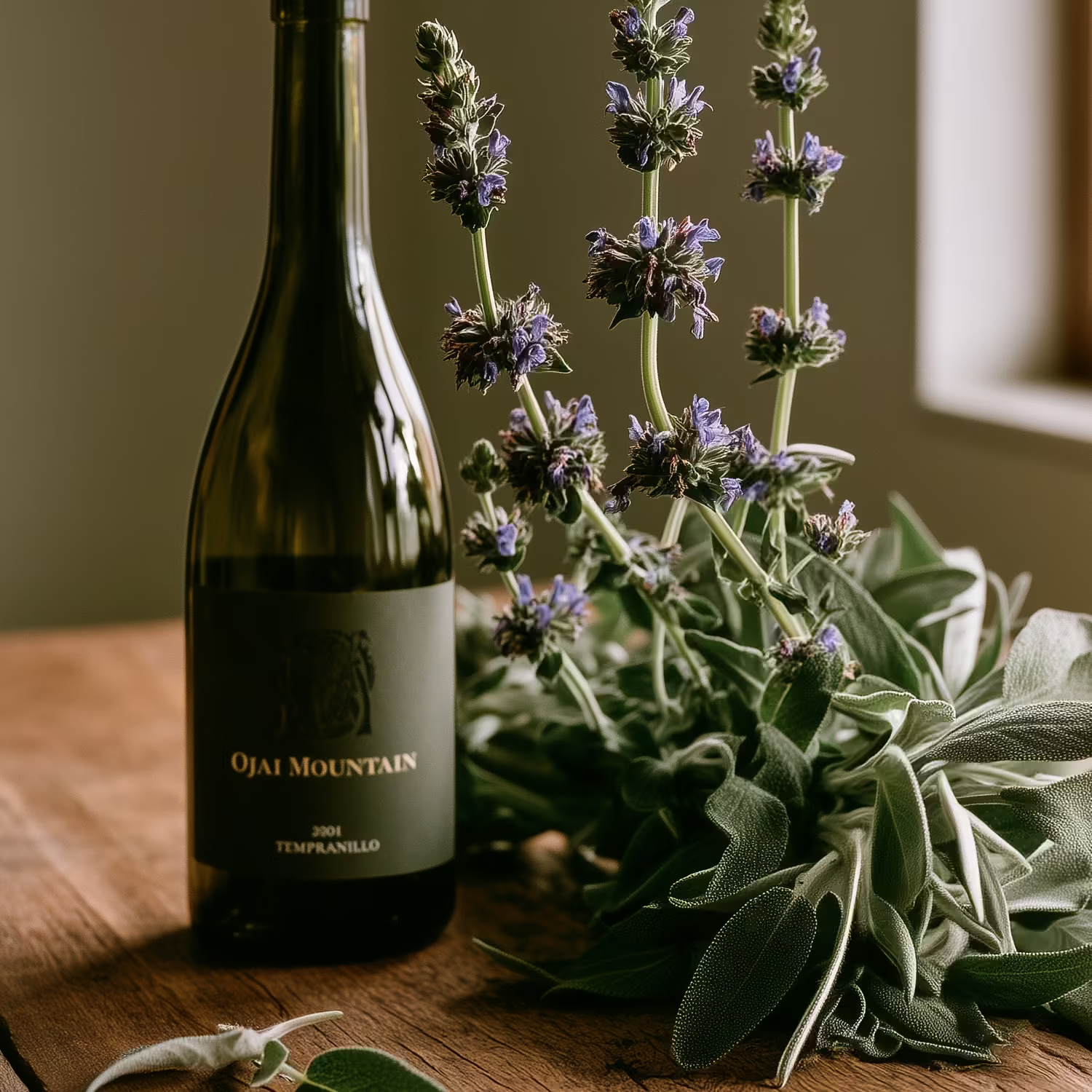
The Scent of the Mountain: Chaparral, Syrah, and Ojai Terroir
Ojai Mountain’s wines can carry aromas that recall the chaparral surrounding the vineyard: sage, dried herbs, pepper, and wildflowers. Science does not support one simple explanation. The connection is more plausibly shaped by shared growing conditions, grape chemistry, native fermentation, and the heightened sensory experience of tasting wine in the landscape where it grew.

It often happens before the first glass is poured.
Guests step out onto Sulphur Mountain and notice the scent of the hillside: sun-warmed sage, dry brush, earth, and something resinous carried on the afternoon wind. Later, tasting Syrah or Mourvèdre, they encounter aromas that seem to belong to the same vocabulary—pepper, lavender, fresh herbs, graphite, and crushed stone.
The natural question is immediate:
The honest answer is: possibly, but not through one simple or conclusively proven pathway.
Several influences may shape these aromatic similarities: shared growing conditions, grape chemistry, native fermentation, and the sensory context of tasting the wine where it was grown. What is certain is the experience. Smell the mountain first, then lift the glass, and the relationship between them becomes difficult to ignore.
A Vocabulary Borrowed from Southern France
Wine already has a word for this kind of sensory association:
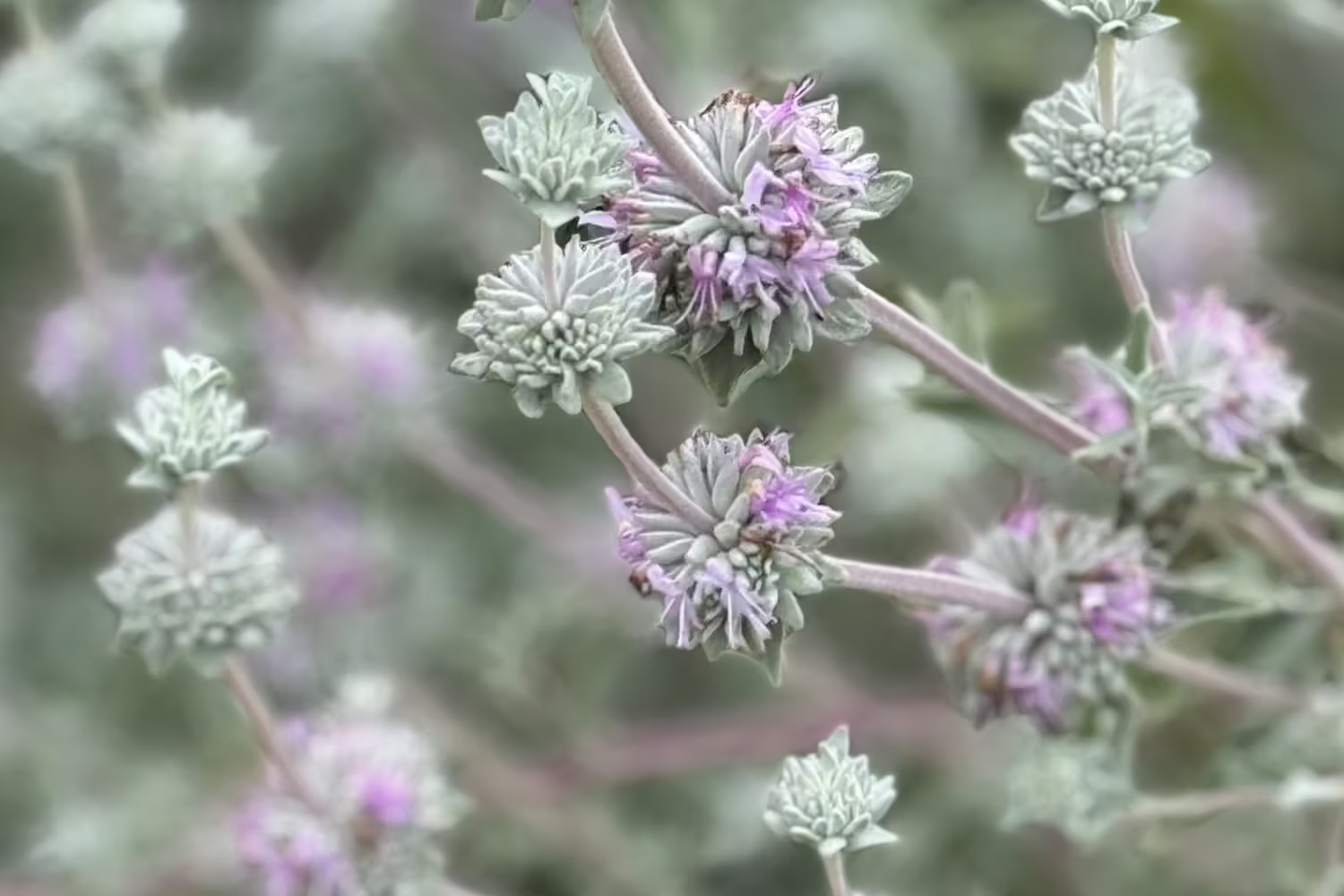
In Mediterranean France, garrigue refers to the low, aromatic vegetation growing across dry hillsides—plants such as thyme, rosemary, lavender, juniper, and sage. In wine, the term describes a combination of herbal, peppery, and sometimes smoky aromas that recalls that landscape.
The distinction matters:
Ojai’s landscape is not French garrigue. Its chaparral and coastal-sage communities are distinctly Californian. But the sensory parallel is useful. Both landscapes are dry, exposed, and aromatic, and both surround vineyards planted to Rhône varieties with a natural capacity for savory and herbal expression.
At Ojai Mountain, that comparison is especially relevant to Syrah and Mourvèdre.
How the Landscape May Shape the Wine
There is no single mechanism that explains why a wine can smell like the landscape around it. The most credible explanation combines three overlapping ideas.
1. Shared Growing Conditions
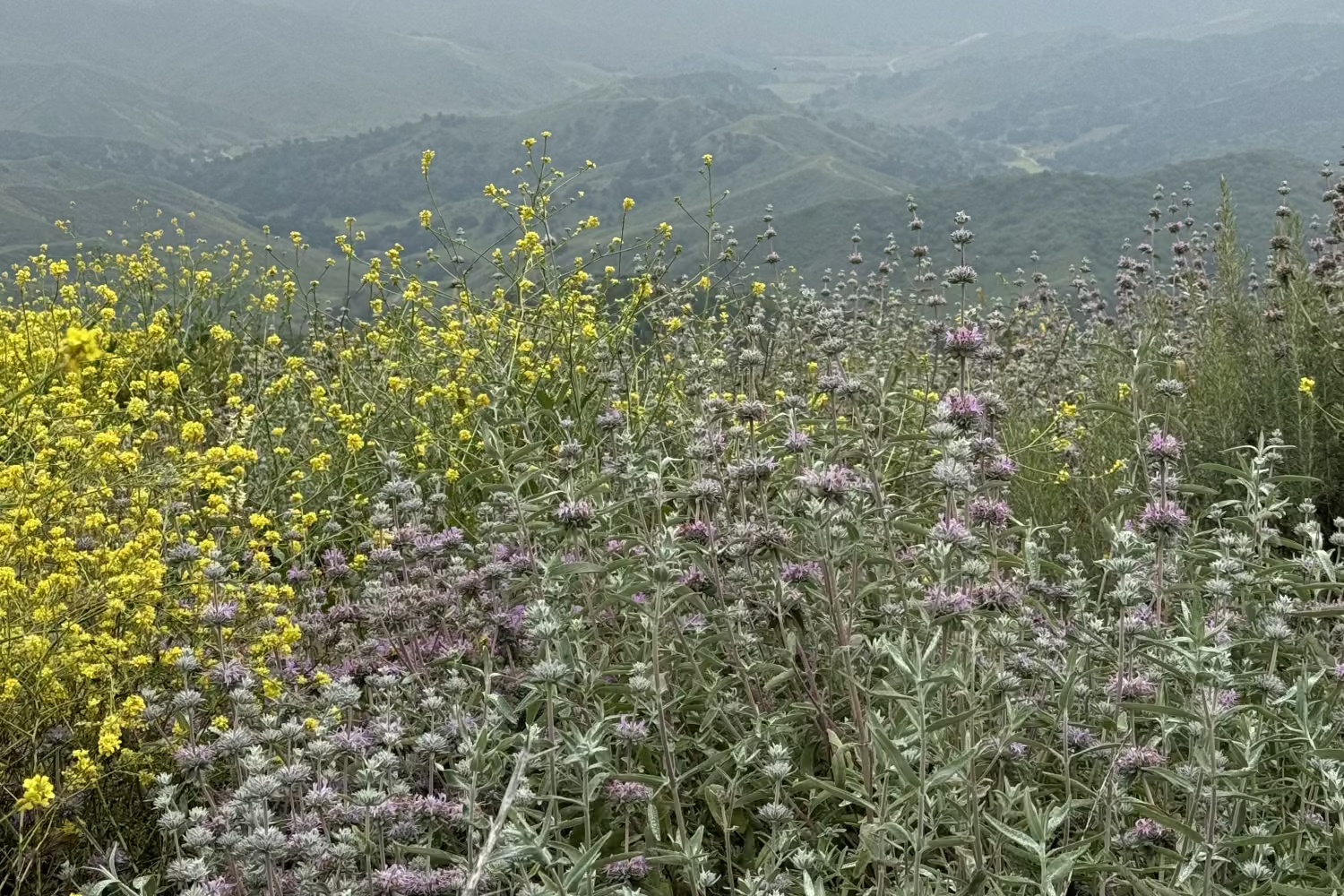
The surrounding chaparral and the vineyard occupy the same mountain environment. They experience the same intense sunlight, dry summers, persistent wind, limited water, and large shifts between daytime and nighttime temperatures.
Those conditions do not make the sage flavor the grapes. Instead, they shape both plant communities at once.
For the vines, Ojai Mountain’s elevation and cool nights help preserve freshness as the fruit ripens. Wind and exposure influence canopy growth and berry development. The site’s fractured Monterey shale soils drain quickly and offer limited fertility, encouraging restrained growth rather than excess vigor.
The native plants respond to the same environment by producing the concentrated, resinous aromas associated with dry California hillsides. The wine and chaparral may therefore resemble each other because both are expressions of the same demanding place—not because one necessarily flavors the other.
This shared-environment explanation is the article’s strongest and most defensible connection.
2. Microbial Terroir and Native Fermentation
A vineyard and winery contain complex communities of yeasts and bacteria. Research led by UC Davis has found regional patterns in the microorganisms present on wine grapes and in freshly crushed must. Additional work found that distinctive microbial communities may be associated with differences in a wine’s chemical profile, offering evidence for what researchers call microbial terroir.
That research is promising, but it does not mean that the chaparral’s aroma passes directly into the wine through microbes. It also does not mean every native fermentation is conducted entirely by organisms from the vineyard. UC Davis notes that indigenous fermentations can involve microbes from both fruit and the established winery environment, and that winery flora may become especially important during fermentation.
Ojai Mountain begins fermentation with native yeasts rather than adding commercial yeast at the outset. That choice allows naturally present organisms from the fruit and winery to participate in fermentation. Their precise contribution to the wine’s herbal character cannot be isolated without site-specific research, but they are part of the broader expression of place.
3. Sensory Context
Human perception completes the connection.
A guest who has just walked through warm chaparral is more likely to recognize a related aroma in the wine. The landscape supplies an immediate sensory reference: sage outside, then a sage-like or herbal note in the glass.
That does not mean the aroma is imagined. The wine already contains volatile compounds that the brain interprets as lavender, pepper, herbs, flowers, or earth. Context helps the taster identify and name them.
This is one reason wine can feel more expressive when tasted where it was grown. The setting does not invent the character; it makes the character easier to recognize.
What the Mountain Tastes Like
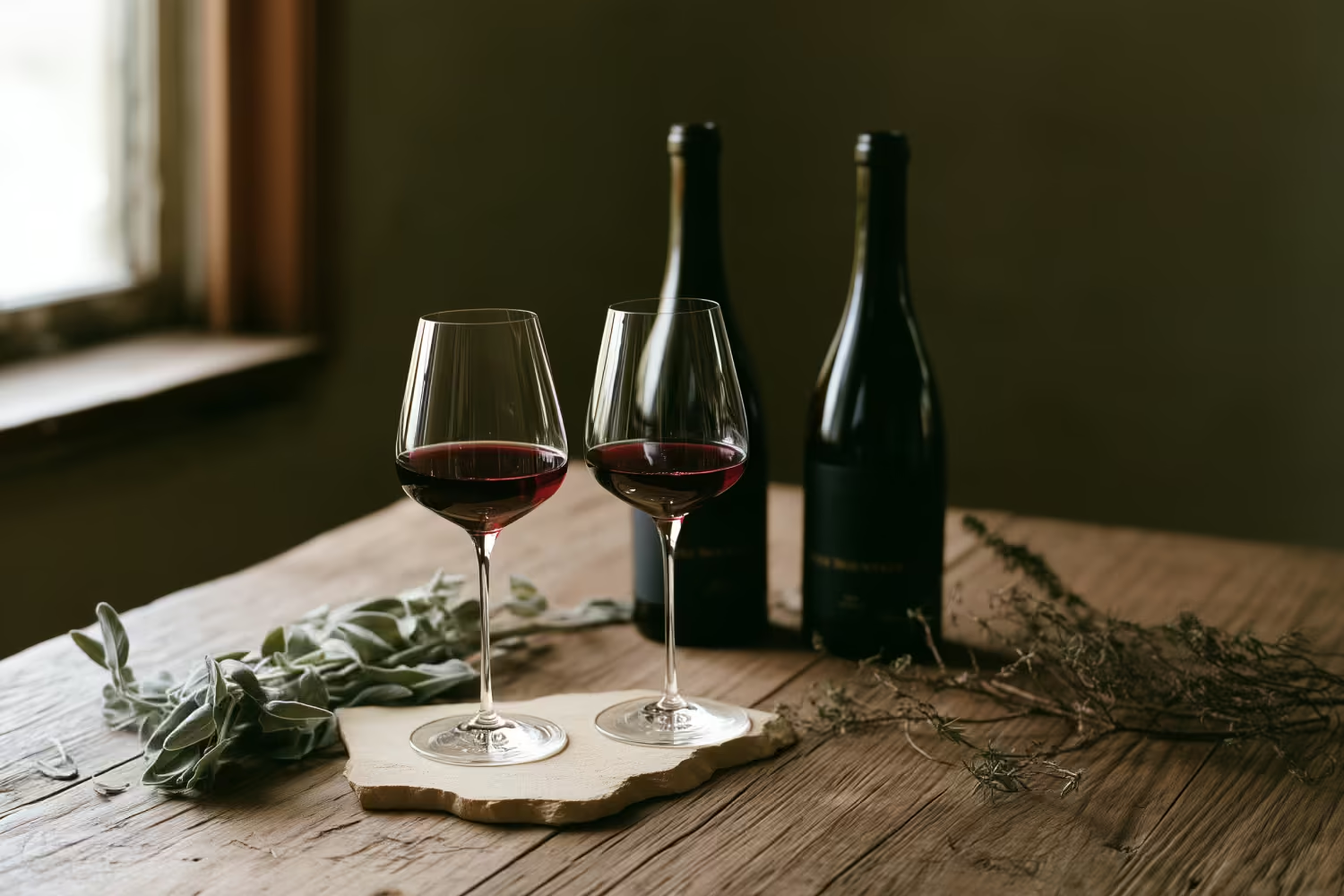
The connection appears most clearly in Ojai Mountain’s Syrah and Mourvèdre. Both varieties are historically associated with savory, peppery, floral, and herbal aromas, but each translates the site differently.
2023 Syrah
The 2023 Syrah is 88% Syrah co-fermented with 12% Grenache Blanc. It was fermented with native yeast and aged for 19 months in neutral French oak.
Its approved tasting notes move from elderflower and lavender into tart cherry, lingonberry, white pepper, cedar, tobacco, and graphite. Sage appears within its aromatic profile, but not as an isolated flavor pasted onto the wine. It sits inside a broader combination of floral, savory, mineral, and fruit characteristics.
The cool 2023 season produced a perfumed, immediately expressive Syrah. Rather than relying on weight or ripeness, the wine’s identity comes from aromatic lift, fresh red fruit, polished tannins, and a long savory finish.
2023 Mourvèdre
The 2023 Mourvèdre contains 77% Mourvèdre with Grenache Blanc, Picpoul, and Roussanne contributing the remaining 23%. It was also fermented with native yeast and aged for 19 months in neutral French oak.
Wild strawberry, red cherry, pomegranate, and violet lead into raspberry, cracked pepper, fresh herbs, red licorice, and crushed stone. The herbal quality is broader and earthier than in the Syrah, integrated with the variety’s savory character and the vintage’s unusually lifted structure.
The result is not a literal extract of the surrounding hillside. It is a wine whose aromas make intuitive sense beside that hillside.
What We Can—and Cannot—Claim
We can say with confidence that:
Ojai Mountain’s vines and surrounding chaparral are shaped by the same mountain climate.
Syrah and Mourvèdre naturally produce savory, floral, peppery, and herbal aromas.
Native fermentation allows organisms present on the fruit and in the winery to participate in fermentation.
Tasting wine in its landscape can heighten recognition of aromas shared with that environment.
We cannot yet say that:
Sage oils are absorbed by Ojai Mountain grapes at concentrations that determine the finished wine’s aroma.
The vineyard microbiome directly creates a recognizable chaparral flavor.
Any single compound or process explains the entire sensory connection.
That uncertainty does not weaken the story. It makes it more interesting. Terroir is rarely one mechanism. It is the accumulation of climate, geology, plant material, farming, fermentation, and perception.
Smell the Mountain First
Wine can be technically excellent without feeling connected to a landscape. The bottles people remember most vividly, however, often give them a sense of somewhere specific.
At Ojai Mountain, that sense of place begins with the air. The dry hillside warms; aromatic plants release their scent; the wind crosses the vineyard; and the wines open with their own combination of flowers, herbs, pepper, fruit, and stone.
The two experiences are not identical. They do not need to be. Their power comes from recognition—the feeling that the landscape and the wine are speaking in related voices.
The best way to understand that relationship is to experience it in sequence. Private tastings at Ojai Mountain are offered by appointment and include time in the vineyard before the wines are poured.
We want you to smell the mountain first.
Frequently Asked Questions
Not necessarily. Direct transfer of sage aromas into grapes has not been established at Ojai Mountain. Similar aromas may instead reflect the grape variety, shared growing conditions, fermentation, and the taster’s sensory context.
Garrigue is a tasting term for herbal, resinous, peppery, and earthy aromas reminiscent of Mediterranean scrubland. It commonly evokes thyme, rosemary, lavender, juniper, and sage.
Microbial terroir refers to regional or site-associated patterns in the yeasts and bacteria found on grapes and in wineries. Research suggests these communities may influence fermentation and a wine’s chemical profile, although their relationship to specific recognizable aromas remains under study.
Yes. Fermentation begins with native yeasts present on the fruit and in the winery rather than with commercial yeast added at the outset.
The 2023 Syrah includes sage, lavender, white pepper, and graphite in its aromatic profile. The 2023 Mourvèdre shows fresh herbs, cracked pepper, violet, red fruit, and crushed stone.
The intensity changes with weather, season, and time of day, but the surrounding hillside is an important part of the estate experience. Tastings are by appointment and include time outdoors in the vineyard before the wines are poured.
Share this post
Recent Posts
View All Posts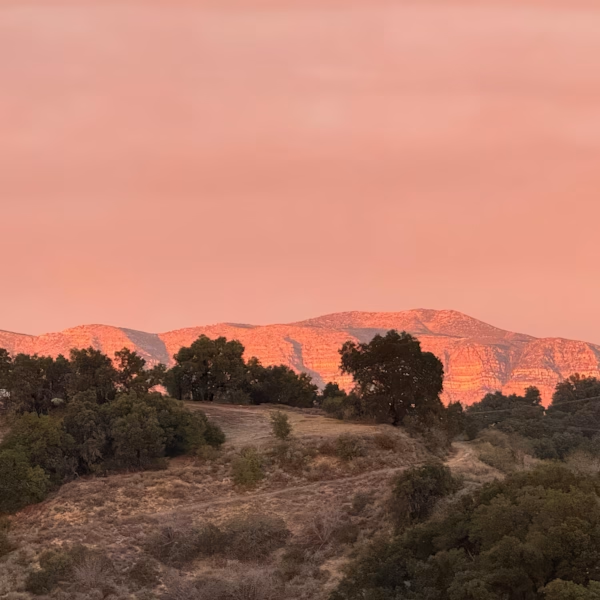
Lesia Artymovych • 16 Sept 2026
The Ojai Pink Moment: Why the Topa Topa Mountains Glow
Ojai’s Pink Moment is the brief coral, rose, and violet glow that appears on the Topa Topa Mountains around sunset. Warm, low-angle light creates the ...
Lesia Artymovych • 14 Sept 2026
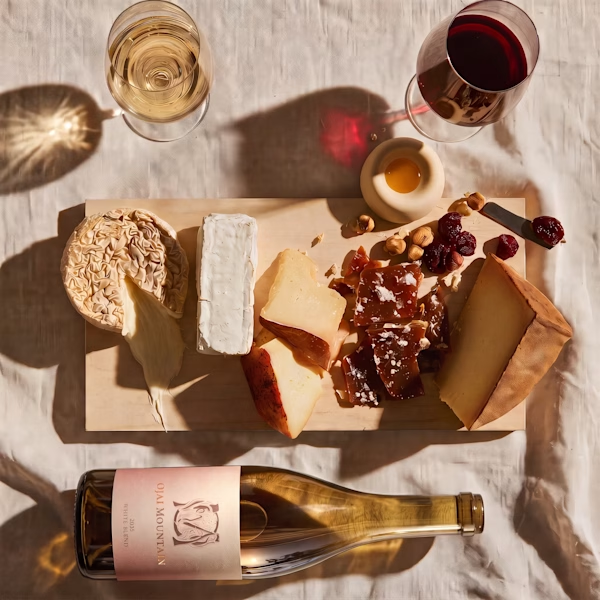
A Guide to Wine and Cheese Pairing at Ojai Mountain
Match intensity to intensity: pair fresh, delicate cheeses with Ojai Mountain's bright Estate Whites, and bold, aged cheeses with its Syrahs and reds....
Lesia Artymovych • 8 Sept 2026
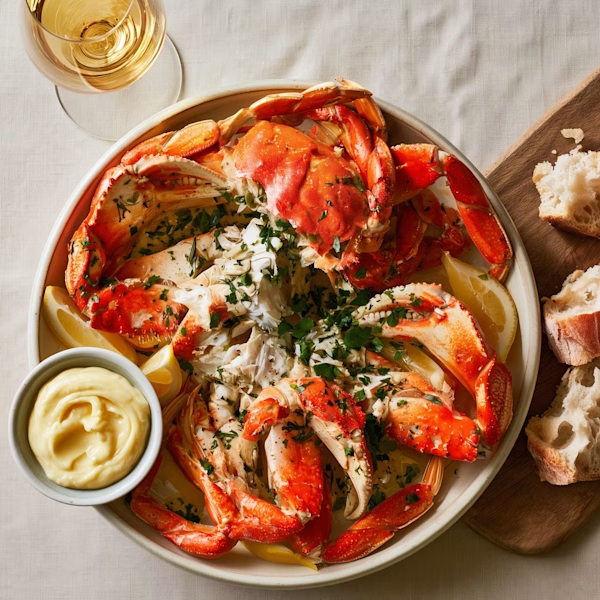
Dungeness Crab with Lemon Aioli and Herbs — 2021 Estate White Blend
Sweet, briny Dungeness crab meets a bright Meyer lemon aioli in an elegant but low-stress dish that can be prepared mostly ahead. Ojai Mountain’s 2021...