
 Log in
A New Cool-Climate Rhône Vineyard in California
Some wineries make wine. Ojai Mountain lets the mountain make it. At extreme elevation, with regenerative farming and a hands-off approach in the cellar, the estate produces Rhone-style wines that carry the unmistakable character of their terroir — and are earning serious critical attention as a result.

California wine has a well-established map. Napa. Sonoma. Santa Rita Hills. The names are familiar, the reputations long-established. But 2,800 feet above the Ojai Valley, something different is happening — something that critics are calling one of the most compelling new estates in the state.
Ojai Mountain is not a household name yet, though it is widely known in serious wine circles. Since its inaugural 2020 vintage, the estate has earned scores in the 94–96 range from Vinous, multiple Wine Enthusiast Editors’ Choice and Cellar Selection designations, and the kind of critical language that tends to precede something significant. Vinous critic Billy Norris put it plainly:
What makes that claim credible — and what makes these wines taste the way they do — comes down to three things: where the vineyard sits, how it is farmed, and how little the winemaker gets in the way.
“The vineyard is perched on a gently sloped aspect, embracing the cooling breezes of the Pacific. It literally is breathtaking. Whenever you can see the Channel Islands from a vineyard you know that you are in for a treat.”
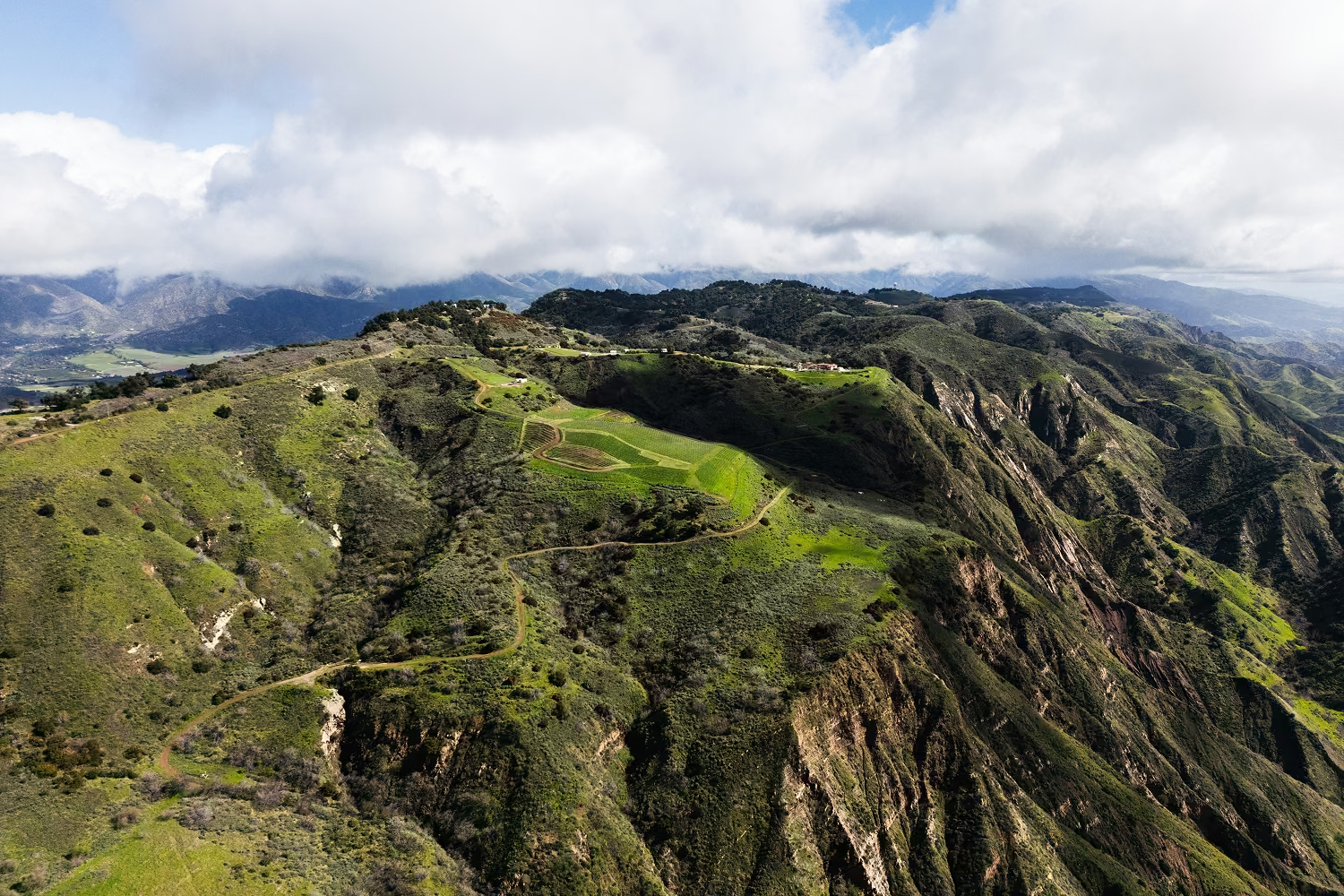
Ojai Mountain — Key Facts
| Location | Upper Ojai, Ventura County, California |
|---|---|
| Elevation | 2,800 feet above sea level and fog line |
| Ocean Influence | 10 miles from the Pacific, strong winds |
| Unique Fact | East-West Ridge Orientation |
| Climate | Arid end of the Mediterranean |
| Rainfall | 21 inches annual average, with large variability 6-45 inches |
| Diurnal Shift | Temperature swings of 40-50°F between day and night |
| Geology | Monterey shale |
| Farming | Organically grown, regeneratively farmed |
| Varieties | Rhône-focused |
| Winemaking | Minimal intervention; native yeast fermentation |
Elevation as the Engine
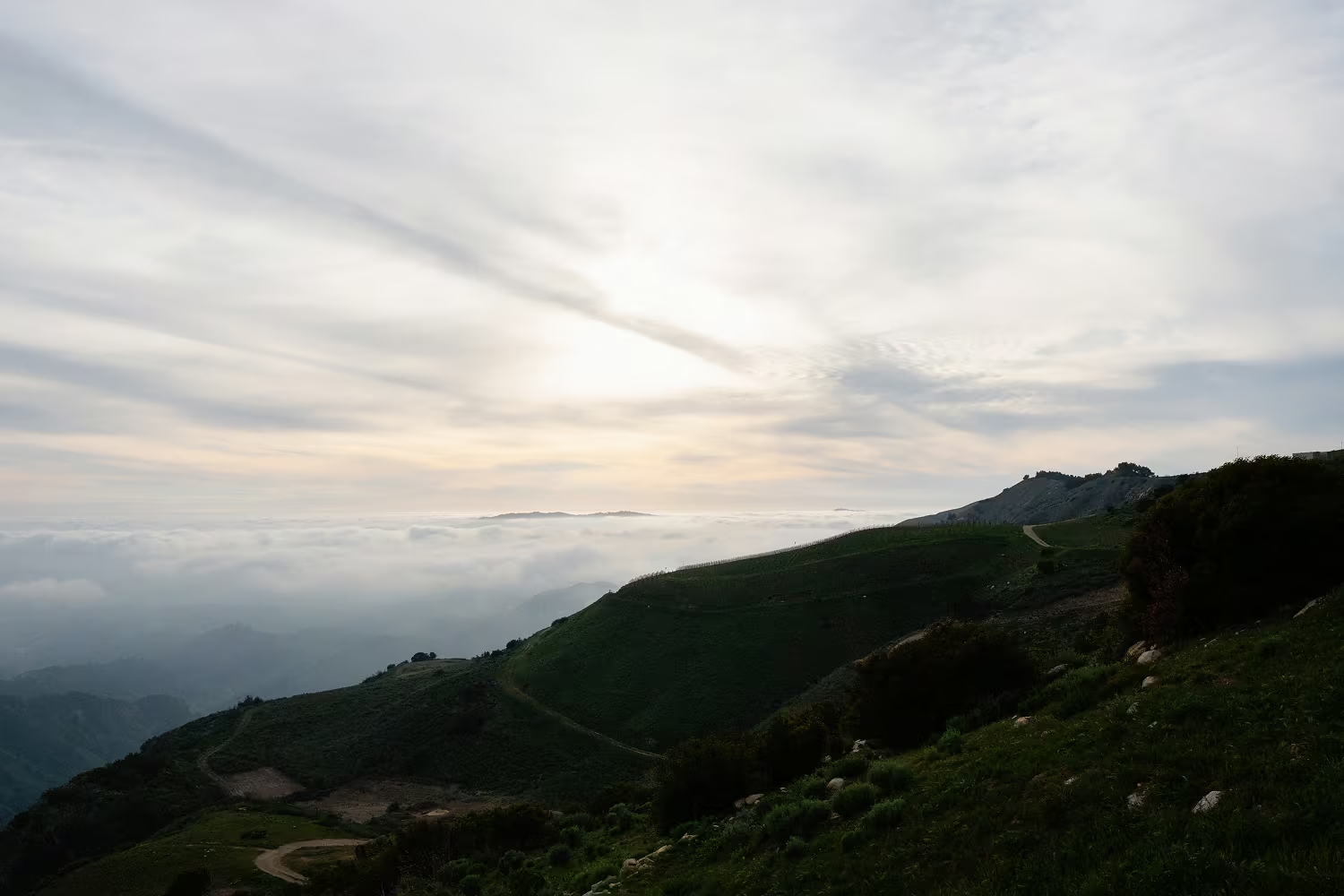
Most California wine country sits between 200 and 800 feet above sea level. The vineyards that define cool-climate California — Santa Rita Hills, the Sonoma Coast — rely on proximity to the ocean and coastal fog to moderate their growing conditions. Ojai Mountain has both of those moderating forces, plus an altitude that changes the equation entirely.
At 2,800 feet on Sulphur Mountain in Ventura County, the estate is California’s southernmost cool-climate vineyard. It sits above the fog line — when the Ojai Valley fills with marine layer each morning, the vines are already in full sun. Positioned on steep hillsides, they receive 360 degrees of sun exposure throughout the day, allowing for uniform grape ripening across the canopy.
Then the sun sets, and everything changes. Diurnal temperature swings of 40–50°F are common here. The same grapes that absorbed a full arc of warm daylight cool dramatically as mountain air descends at night. That thermal contrast is the engine behind wines with both concentration and freshness — structure without heaviness, acidity without austerity.
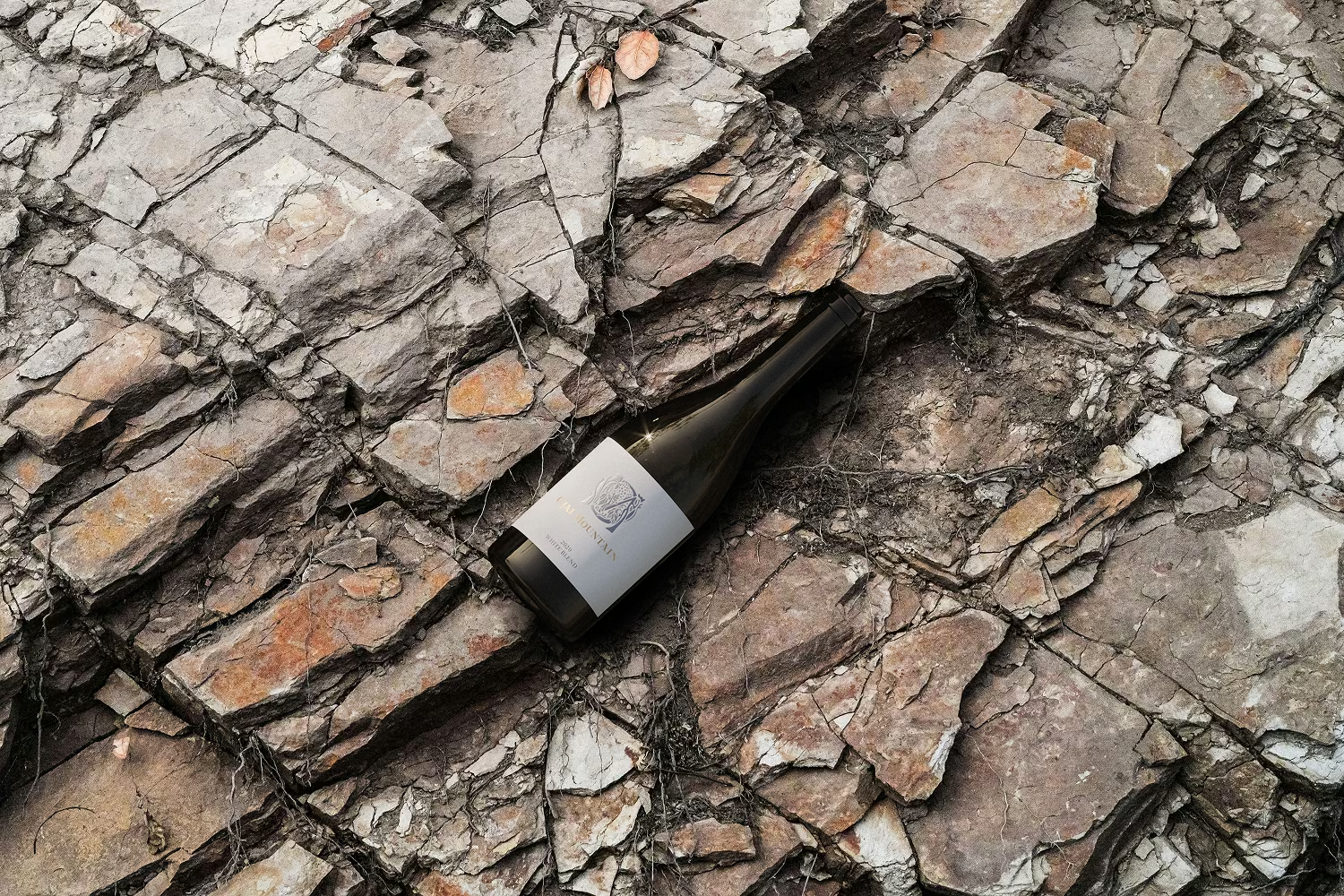
The soil reinforces the effect. Coastal parts of the Transverse Range near Ojai were formed by crustal tectonic stress on an ancient seabed, which explains the geology underfoot: fractured Monterey shale that drains quickly, holds little moisture, and provides minimal fertility. Vines under stress produce smaller clusters, smaller-sized berries, and higher skin-to-juice ratios. The result is naturally concentrated fruit before the winemaker does anything at all.
The Pacific winds that funnel off the Channel Islands, just 10 miles away, complete the picture. At this elevation, those winds are strong enough to force thicker grape skins — a physical response to the environment that translates directly into deeper color, bolder tannins, and wines built to age.
“That elevation is so rare in California. As soon as I heard 2,800 feet, I jumped at the chance to be a part of this project. Our skin-to-juice ratios up here are very different. The wines have the capacity to be more profound.”
Regenerative Farming: A Working Philosophy
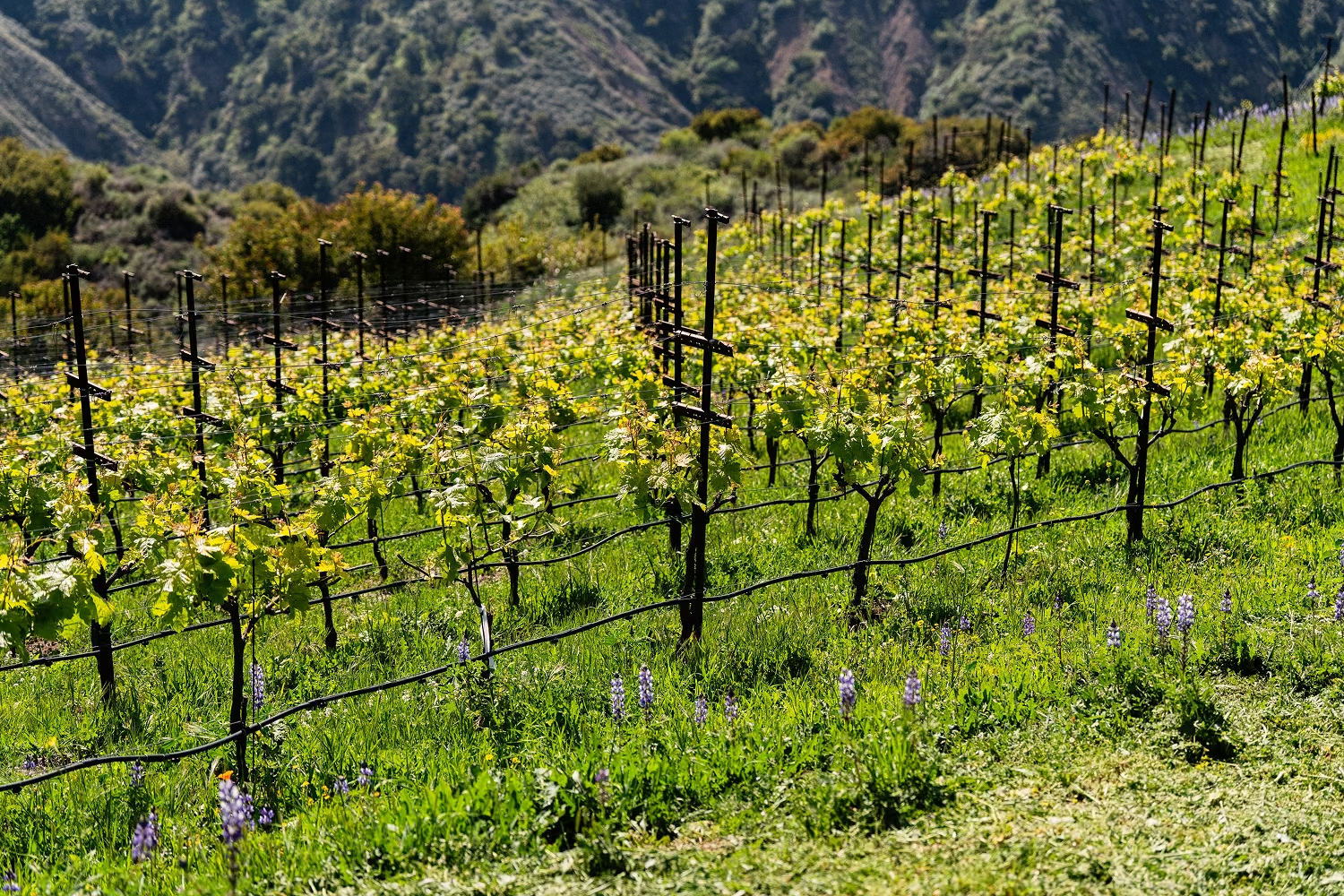
The word “organic” is widely used in wine, but Ojai Mountain operates on a more demanding principle. Organic farming eliminates synthetic inputs. Regenerative farming actively builds — soil health, biodiversity, long-term ecosystem function. The distinction shows up in the land itself, in the way the vineyard ages, and ultimately in the glass.
Planted for the first time in 2018 on land that had never been farmed before, the land between the mountain and the coast is now going to be owned and protected by the Ojai Valley Land Conservancy with dark sky ordinance protecting much of the needed biodiversity and limiting possible impact of non-organic farming nearby.
Focused on farming in the cleanest possible way, Ojai Mountain brought in Phil Coturri, one of California’s original pioneers of biodynamic and organic viticulture, to help build the farming program. No synthetic pesticides, herbicides, or fertilizers have ever been used here. Every bottle the estate produces is 100% estate-grown on this mountain — no purchased fruit, no grapes sourced from elsewhere.
In practice, regenerative farming at Ojai Mountain means cover crops that prevent topsoil erosion and become organic fertilizer when mowed; tight vine spacing that encourages competition for limited resources; wildflower plantings and managed bee boxes to support pollinators; and a partnership with the Ojai Raptor Center to release rehabilitated birds of prey — kestrels, owls, hawks — for natural pest control. Sheep and goats have been used to graze the brush around the vineyards, managing fire risk while their paths create natural break lines against winter runoff.
Only about 7% of vineyards worldwide are organically farmed. Ojai Mountain is also certified by Slow Wine, the international guide that evaluates producers through the lens of sustainability, terroir expression, and the relationship between farmer and land.
What that farming philosophy delivers in the wine is measurable. Without synthetic inputs masking the natural character of the site, the acidity and minerality of the fractured Monterey shale come through directly. Complex root systems reach deeper into the rock, accessing a broader mineral range. The textural complexity that critics consistently note in these wines — that lively, almost electric quality — is built by the soil, not the cellar.
“It is the cleanest, healthiest, most productive land in the area; besides that, it has the most beautiful views in the valley!”
What that farming philosophy delivers in the wine is measurable. Without synthetic inputs masking the natural character of the site, the acidity and minerality of the fractured Monterey shale come through directly. Complex root systems reach deeper into the rock, accessing a broader mineral range. The textural complexity that critics consistently note in these wines — that lively, almost electric quality — is built by the terroir, not artificially created in the cellar.
“This vineyard is tough. It's raw. No real soil yet — just fractured rock and time. And out of that struggle come wines with a kind of natural tension I find really compelling.”
While we often speak about Ojai Mountain’s altitude, the quality of the fruit does not come from elevation alone. Altitude sets the stage, but restraint defines the vineyard. The most respected high-elevation and cool-climate sites in California share this discipline: they are farmed for balance, not for volume. Yields are kept deliberately low, so the vines concentrate their energy into fewer clusters.
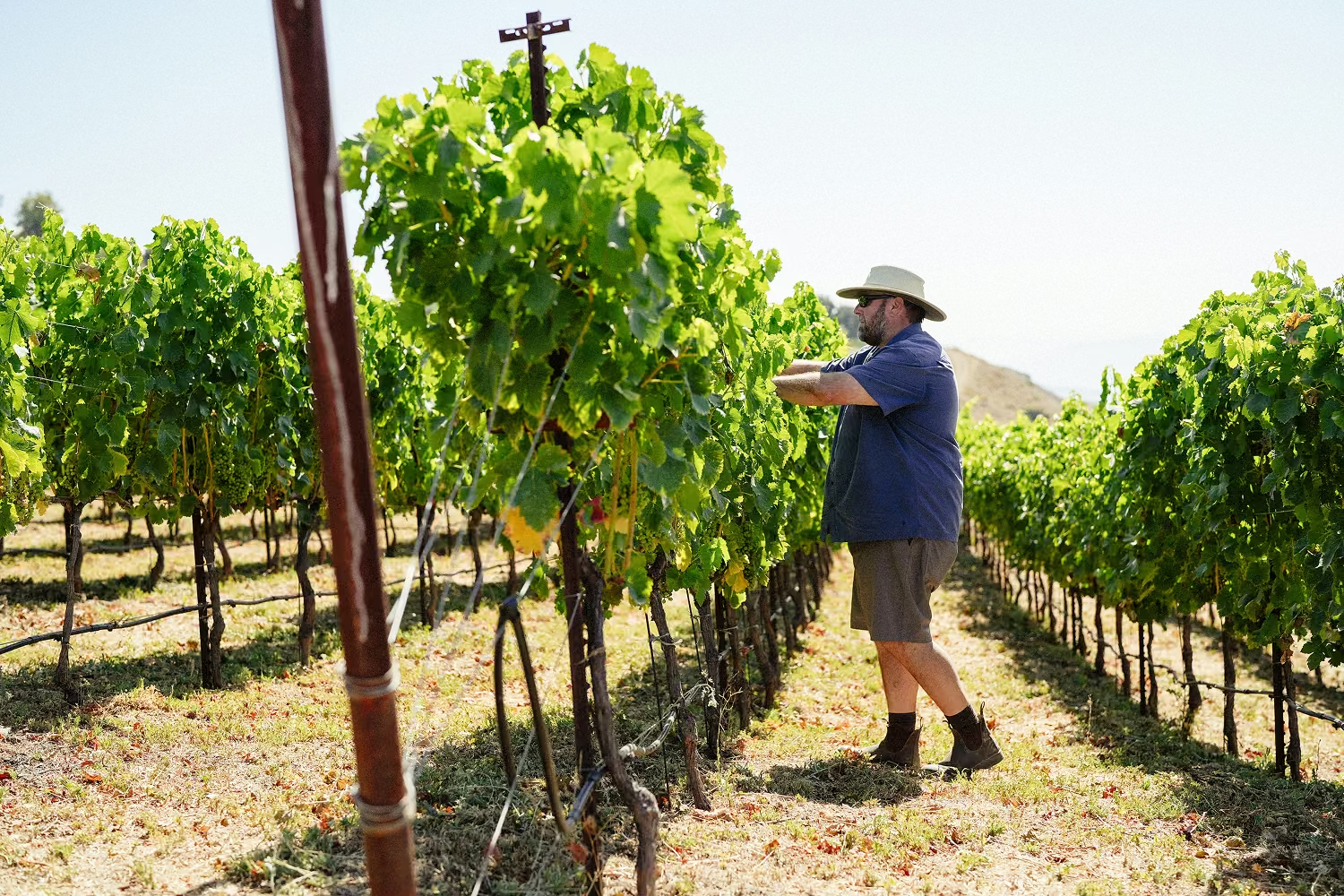
At Ojai Mountain, the vineyard is farmed entirely by hand under the care of Martin Ramirez and his crew. There is no mechanized harvesting or large machinery moving through the rows. Each vine is worked individually throughout the season, and production typically ranges between two and four tons per acre depending on the natural vigor of the variety. This restraint, more than altitude alone, shapes the character and depth of the wines.
“You want to grow a healthy, robust vine under the most challenging conditions. That’s where you get the intense flavors; that’s how you get terroir. Terroir is the soils, slopes, climate, aspects—and the attitude of the grower!”
Minimal Intervention: Knowing When to Step Back
Erich Bradley’s winemaking philosophy has a clean internal logic: if the fruit is perfect when it arrives at the cellar, very little needs to happen next.
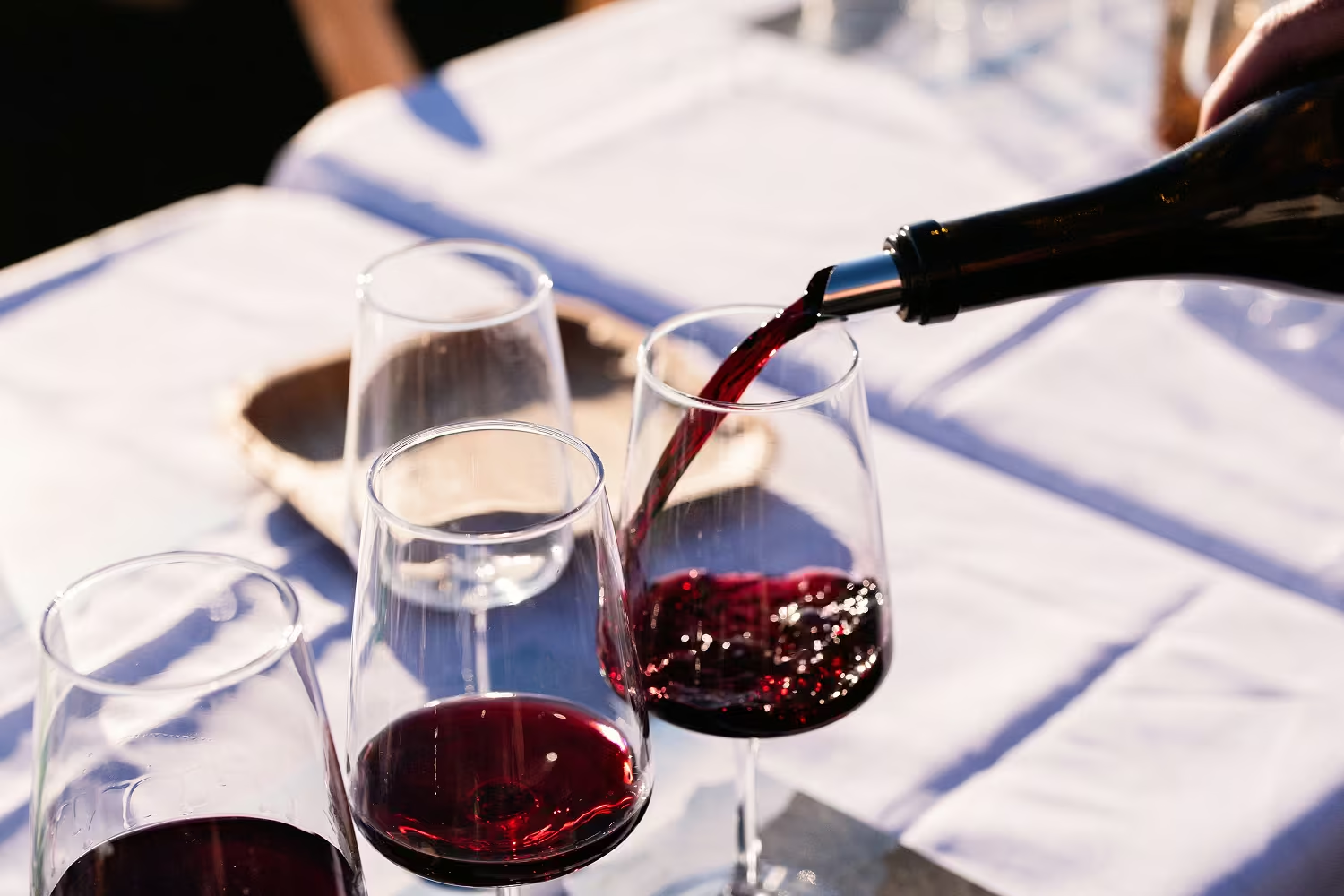
Every red wine undergoes a five-day cold soak before open-top fermentation with native yeasts — no commercial inoculants, no shortcuts to predictability. Fermentations are monitored closely, because the margin for error is smaller when there are fewer tools for correction. Each block of the vineyard ferments separately, preserving the microclimate differences across the mountain, and the final wines are assembled through careful blending of those distinct expressions.
From there: neutral French oak barriques, aged 18–22 months depending on the wine. No new oak — oak here contributes texture, not flavor. No acid adjustments, no added sugar, no fining agents, no filtration. Sulfur is often the only additive, applied with a light hand.
“I'm a minimalist when it comes to intervening in the winery. I devote my energy to making sure we're in a situation where the harvested fruit that comes into the winery doesn't need help. It is magnificent in its own right.”
Our Varietal Philosophy
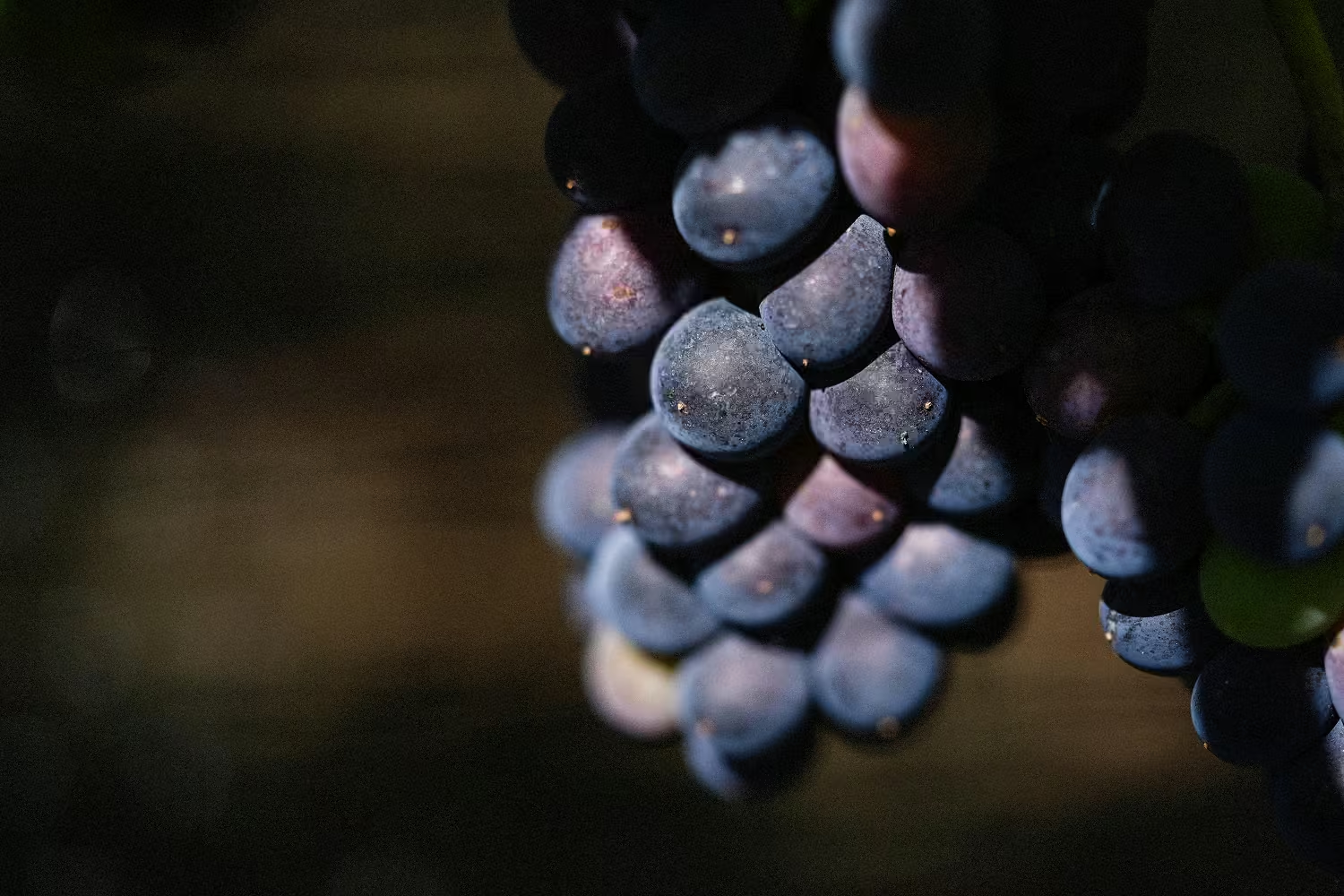
From the beginning, the site pointed toward the Rhône. The elevation, the coastal influence, the volcanic and sedimentary soils, the wind — these are conditions where Syrah, Grenache, Mourvèdre, Grenache Blanc, Picpoul, and Roussanne thrive. The team originally planted some Cabernet Sauvignon and Cabernet Franc in early Estate Red blends, but the mountain spoke clearly: Rhône varieties were the fit. Those blocks have since been grafted over.
“There's tannin, for sure. But what keeps standing out to me from this vineyard is the freshness. It's vivid, almost electric. You don't find that kind of lift, even in other high-elevation sites.”
Ojai Mountain is a member of the Rhône Rangers, the organization dedicated to advancing American Rhône-style wines. In 2026, the 2021 Syrah was selected by Rhône Rangers for their Workshop: Taste Like a Sommelier at the Rhône Rangers Experience in Paso Robles.
Why High-Elevation Syrah?
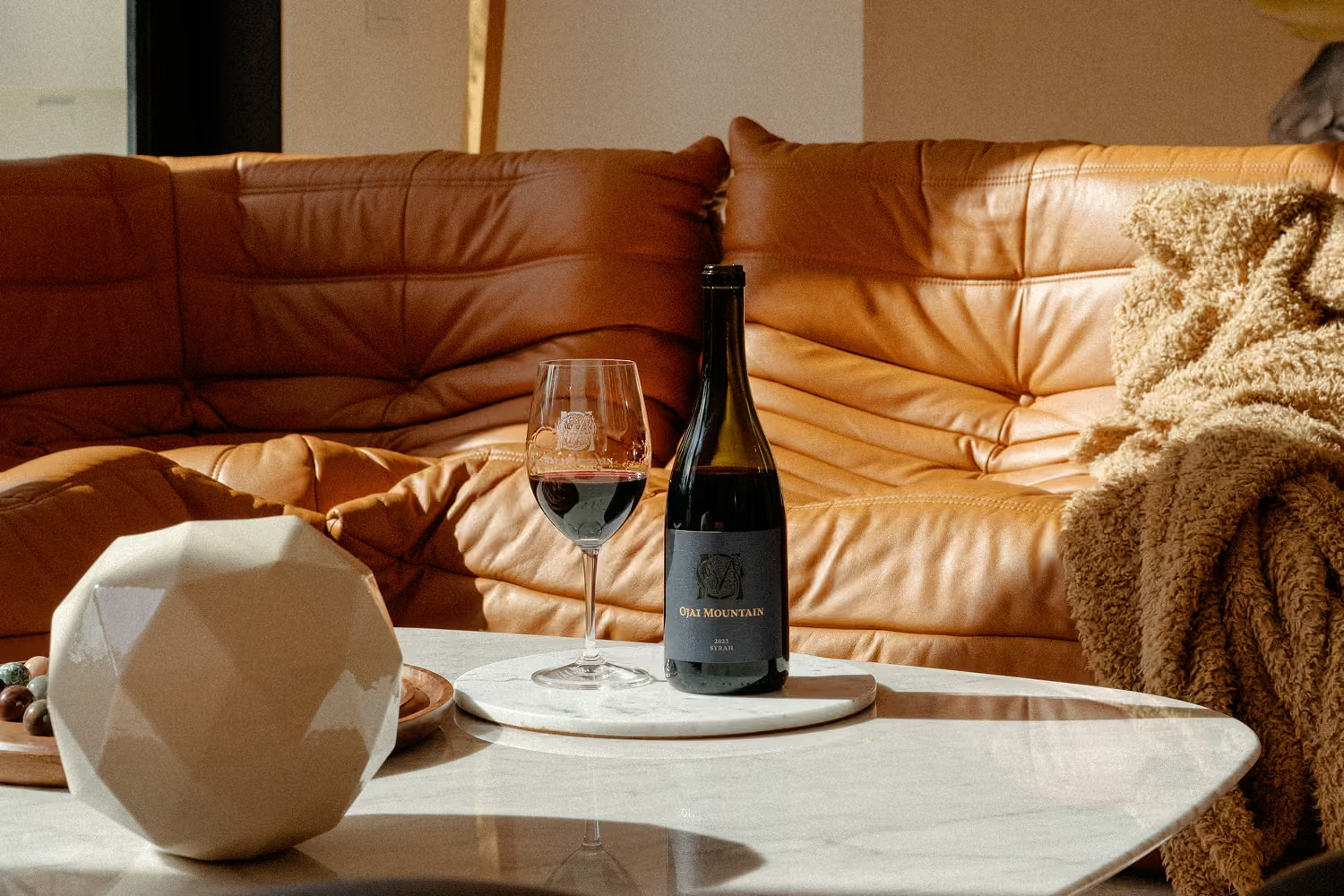
Syrah is one of the most site-sensitive varieties in the world. It is also one of the most misunderstood in California, where it has often been grown in warm, low-elevation sites that push it toward overripe, high-alcohol fruit with little of the structure and freshness that define great Northern Rhône Syrah.
At 2,800 feet on Sulphur Mountain, the conditions are different in almost every meaningful way. Cool nights preserve the acidity Syrah needs to age. The fractured Monterey shale — poor, well-drained, low-fertility — produces vine stress that concentrates flavor without over cropping. The Pacific winds off the Channel Islands keep canopy temperatures in check during the warmest part of the day. And the elevation delays the ripening window long enough for phenolic maturity to catch up with sugar development.
The result is Syrah that reads more like Crozes-Hermitage or Saint-Joseph than like a typical California expression. Dark fruit — blackberry, black olive, smoked meat — with a mineral spine and acidity that keeps the wine moving. Tannins that are present and structured but not aggressive.
The Wines
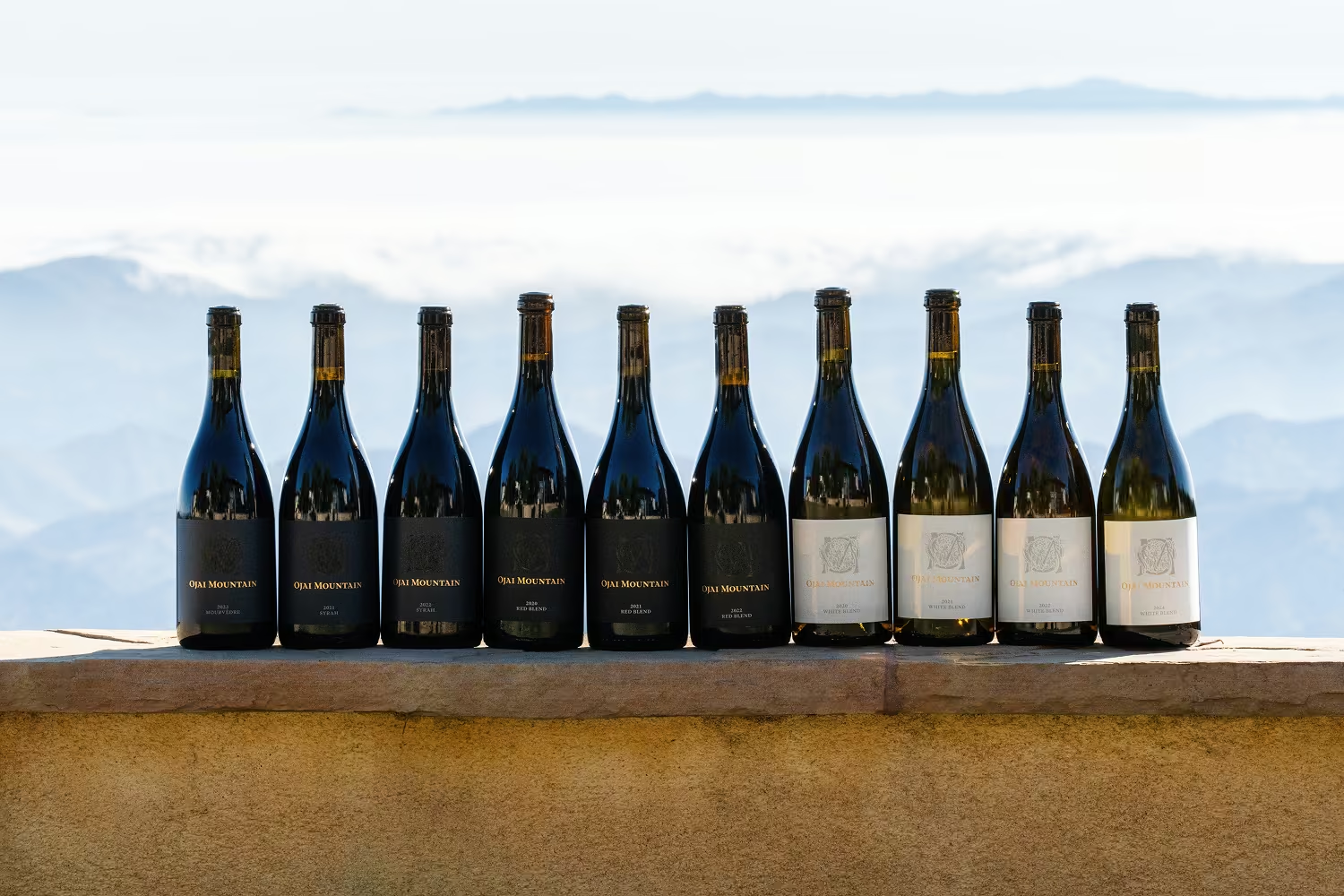
The estate produces approximately 500 cases per year across its range of Rhône varietals. This is set to grow, but the intent is to always remain a boutique high quality winery. As John Ruskin once observed about craftsmanship, the consequences of poor quality linger long after the benefit of lower cost is forgotten. In winegrowing, the same is true of overproduction. The numbers are deliberate — small enough to maintain complete control from vineyard to bottle.
The
The
The
Wines are available through the online shop at ojaimountainestate.com, and through the Ojai Mountain Wine Club, which is the best way to secure consistent access — including library wines, which are exclusive to club members.
The Team
Great wine is rarely the product of one person. At Ojai Mountain, four people with distinct and complementary expertise share the mountain.
Twenty-five vintages across California’s most respected sites, including co-founding Sojourn Cellars where he caught the attention of Robert Parker. His UC Davis education spans biochemistry and philosophy — a combination that shows in both the precision and the restraint of what he makes.
More than three decades farming Ventura and Santa Barbara counties. Ramirez is in the vineyard more than anyone else on the team, connected to the land in a way that cannot be replicated from the outside.
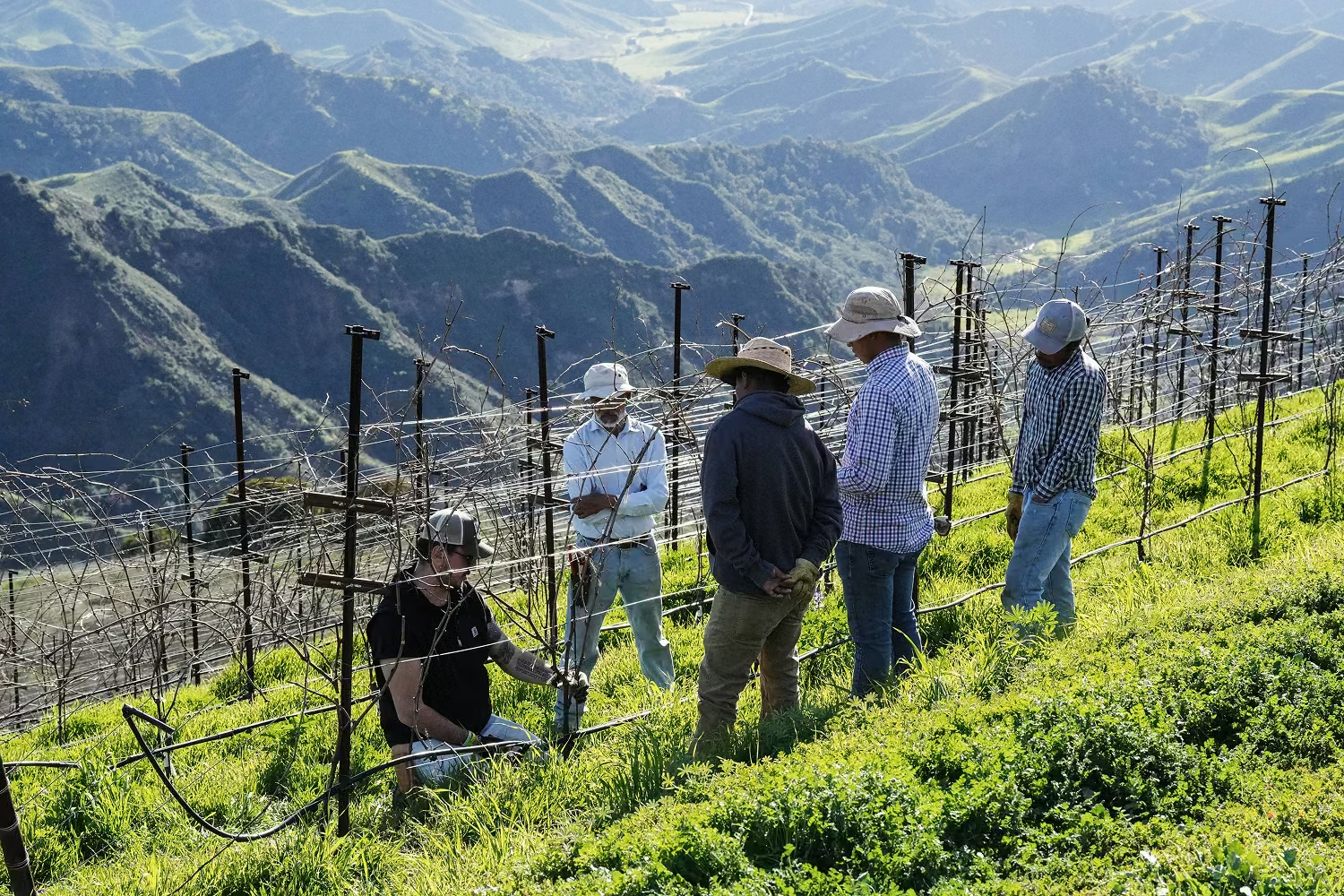
Founder of Enterprise Vineyards in Sonoma County and one of California’s original biodynamic practitioners. His specialty is developing and nurturing vineyards in challenging, high-stress sites — exactly what Sulphur Mountain is.
Born into Ojai’s farming community, where his family worked more than 200 acres and managed over 700 acres of mixed agriculture — hay, cattle, apricots, almonds. In Ojai, he is recognized for his mastery of road building, water management, and fire prevention — skills essential for maintaining vineyards in rugged, high-elevation terrain.
What the Critics Have Said
Ojai Mountain has earned early recognition from leading wine publications and critics. According to Vinous, the 2022 Syrah earned
The 2022 Syrah also earned
Additional scores and reviews for Ojai Mountain releases are available through Jeb Dunnuck and Vinous. The winery has also been featured by Forbes, Decanter, the San Francisco Chronicle, Edible Ventura County, and Luxury Travel Magazine.
“This is one of the most exciting new projects I've encountered in California in some time. I found myself thinking about these wines weeks after I tasted them. Without tipping into hyperbole, Ojai Mountain may be the next great vineyard in California.”

Visit Ojai Mountain: Tastings at the Estate
Ojai Mountain is not a walk-in tasting room. It is a working estate and experiencing it in person is something different from a standard winery visit.
Private tastings are available by appointment only. Groups are hosted at the estate with direct views of the vineyard and, on clear days, the Channel Islands in the distance. Every visit is prepared in advance. For groups of 20, dietary needs, or questions — email us.
If you need transportation from Ojai to the vineyard, there is no better way to take in the mountain landscape than from the open seat of a vintage jeep. The drive climbs steadily through the Upper Ojai Valley, with wide views of the surrounding ridges and the changing terrain as the road approaches the estate. We offer this experience in partnership with Cloud Climbers Jeep Tours, whose classic open-air jeeps turn the journey to the vineyard into part of the visit itself.
The Ridge: Stay on the Mountain
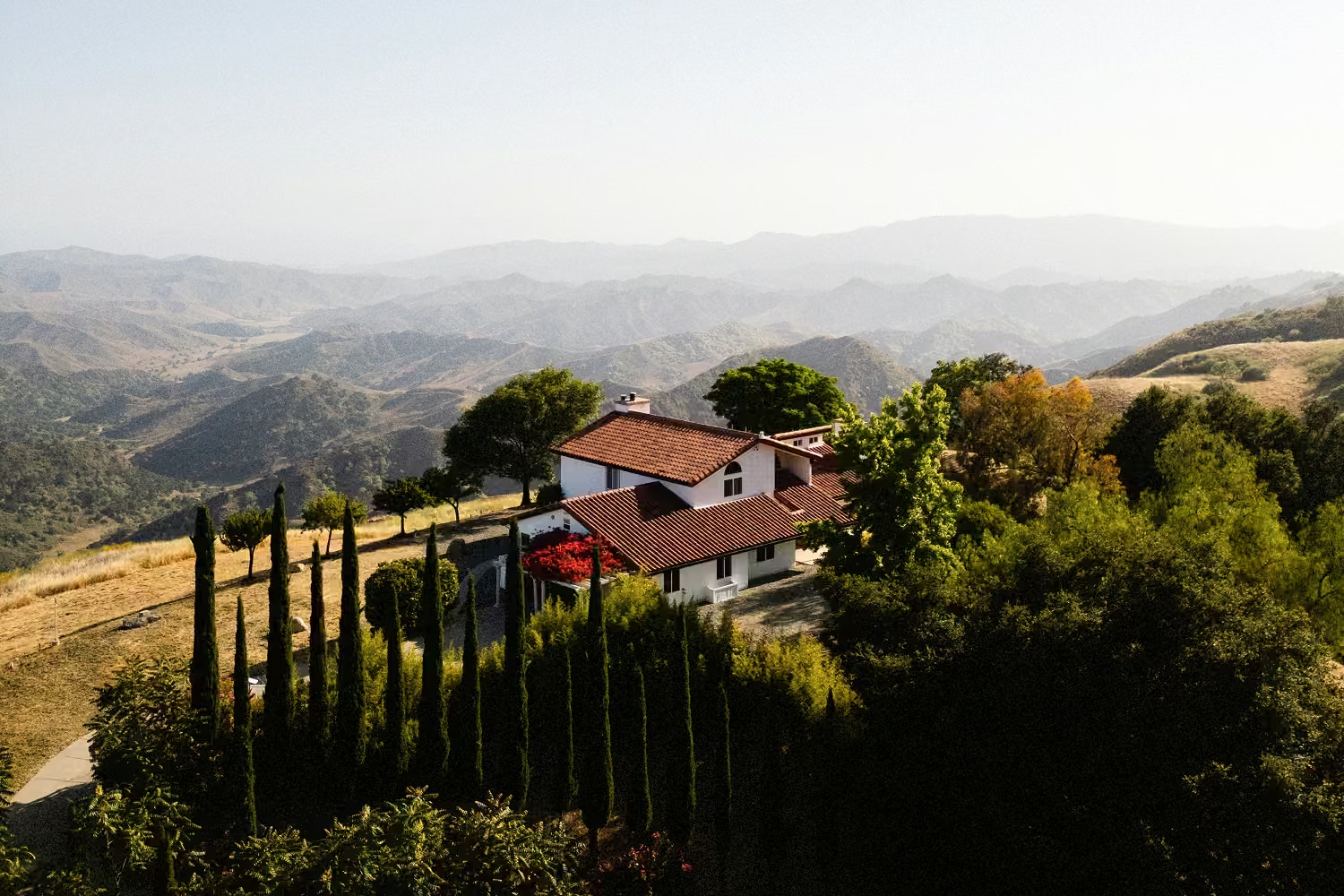
The property also includes
The villa spans roughly 4,000 square feet and includes four bedrooms, multiple terraces, outdoor fireplaces, and quiet corners that open directly onto the vineyard. Guests staying at The Ridge have direct access to the estate and can arrange private tastings during their visit — a rare opportunity to spend time in a working vineyard at 2,800 feet, with the wines poured where they were grown.
The setting tends to attract small groups looking for space and privacy: families traveling together, couples celebrating special occasions, collectors interested in a deeper look at the vineyard, or friends who simply want to spend time in the mountains above Ojai. Despite the sense of seclusion, the estate remains within easy reach of Southern California.
The vineyard sits about 90 minutes from Los Angeles, roughly 15 minutes from downtown Ojai, and about an hour from Santa Barbara, making it possible to leave the city in the morning and arrive in a completely different landscape by the afternoon.
Sources
Frequently Asked Questions
Ojai Mountain is a high-elevation, cool-climate vineyard located at 2,800 feet on Sulphur Mountain in Ventura County. The estate combines mountain elevation, Pacific Ocean influence, fractured Monterey shale soils, regenerative farming, and minimal-intervention winemaking to produce Rhône-style wines with freshness, structure, and a strong sense of place.
Ojai Mountain is located in Upper Ojai, Ventura County, California, about 15 minutes from downtown Ojai, roughly 90 minutes from Los Angeles, and about one hour from Santa Barbara. The vineyard sits on Sulphur Mountain with views across the Upper Ojai Valley and, on clear days, toward the Channel Islands.
Elevation is one of the defining features of Ojai Mountain. At 2,800 feet, the vineyard sits above the fog line and experiences dramatic day-to-night temperature shifts of 40 to 50 degrees Fahrenheit. Warm daylight helps grapes ripen fully, while cool nights preserve acidity, freshness, and structure.
Ojai Mountain focuses on Rhône varieties, including Syrah, Grenache, Mourvèdre, Grenache Blanc, Picpoul, and Roussanne. The estate’s conditions are especially well suited to Syrah, which benefits from cool nights, mountain winds, low-fertility soils, and a long ripening season.
Ojai Mountain is organically grown and regeneratively farmed. No synthetic pesticides, herbicides, or fertilizers have been used on the estate. The farming program emphasizes soil health, biodiversity, cover crops, pollinator support, natural pest control, and long-term ecosystem resilience.
Minimal-intervention winemaking means the cellar work is designed to preserve the character of the vineyard rather than reshape it. Ojai Mountain uses native yeast fermentation, neutral French oak, separate block fermentations, no new oak, no acid adjustments, no added sugar, no fining, and no filtration. The goal is to let the mountain-grown fruit speak clearly.
Yes. Ojai Mountain offers private tastings by appointment only. It is not a walk-in tasting room. Visits are hosted at the estate and are designed as a more personal experience, with views of the vineyard, the surrounding mountains, and sometimes the Channel Islands.
Ojai Mountain wines are available through the online shop, making it simple to order directly from the estate at your convenience. Because production is small, availability can change by vintage, and the Ojai Mountain Wine Club offers an additional way to secure ongoing access to current releases, limited bottlings, and library wines.
Share this post
Recent Posts
View All Posts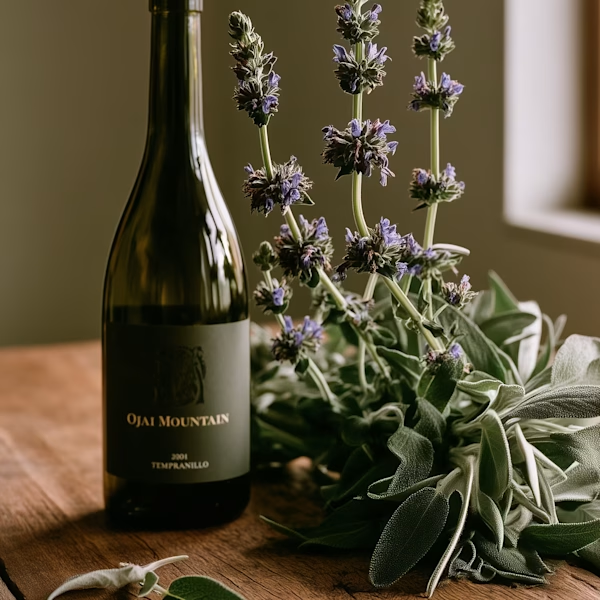
Lesia Artymovych • 20 Sept 2026
The Scent of the Mountain: Chaparral, Syrah, and Ojai Terroir
Ojai Mountain’s wines can carry aromas that recall the chaparral surrounding the vineyard: sage, dried herbs, pepper, and wildflowers. Science does no...
Lesia Artymovych • 16 Sept 2026
The Ojai Pink Moment: Why the Topa Topa Mountains Glow
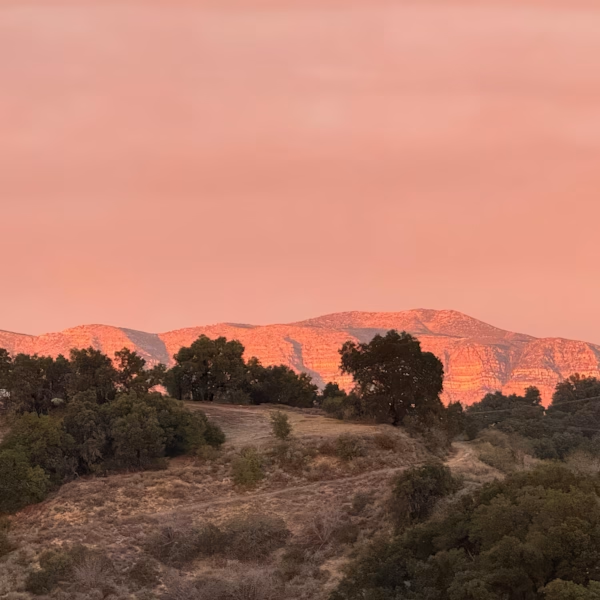
Ojai’s Pink Moment is the brief coral, rose, and violet glow that appears on the Topa Topa Mountains around sunset. Warm, low-angle light creates the ...
Lesia Artymovych • 14 Sept 2026
A Guide to Wine and Cheese Pairing at Ojai Mountain
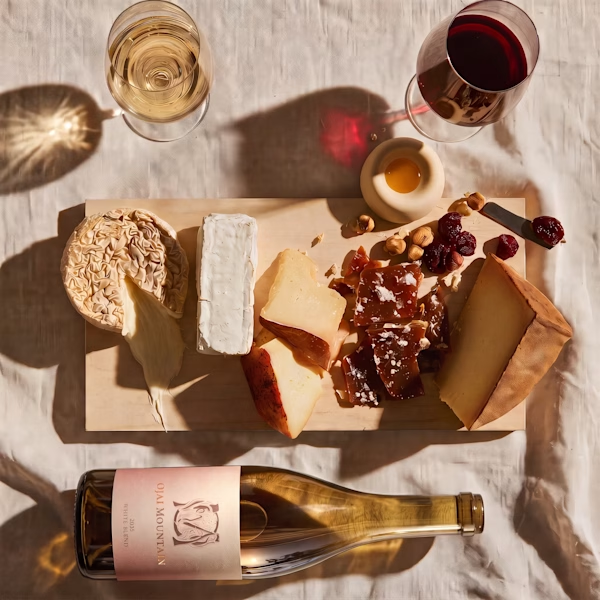
Match intensity to intensity: pair fresh, delicate cheeses with Ojai Mountain's bright Estate Whites, and bold, aged cheeses with its Syrahs and reds....