
 Log in
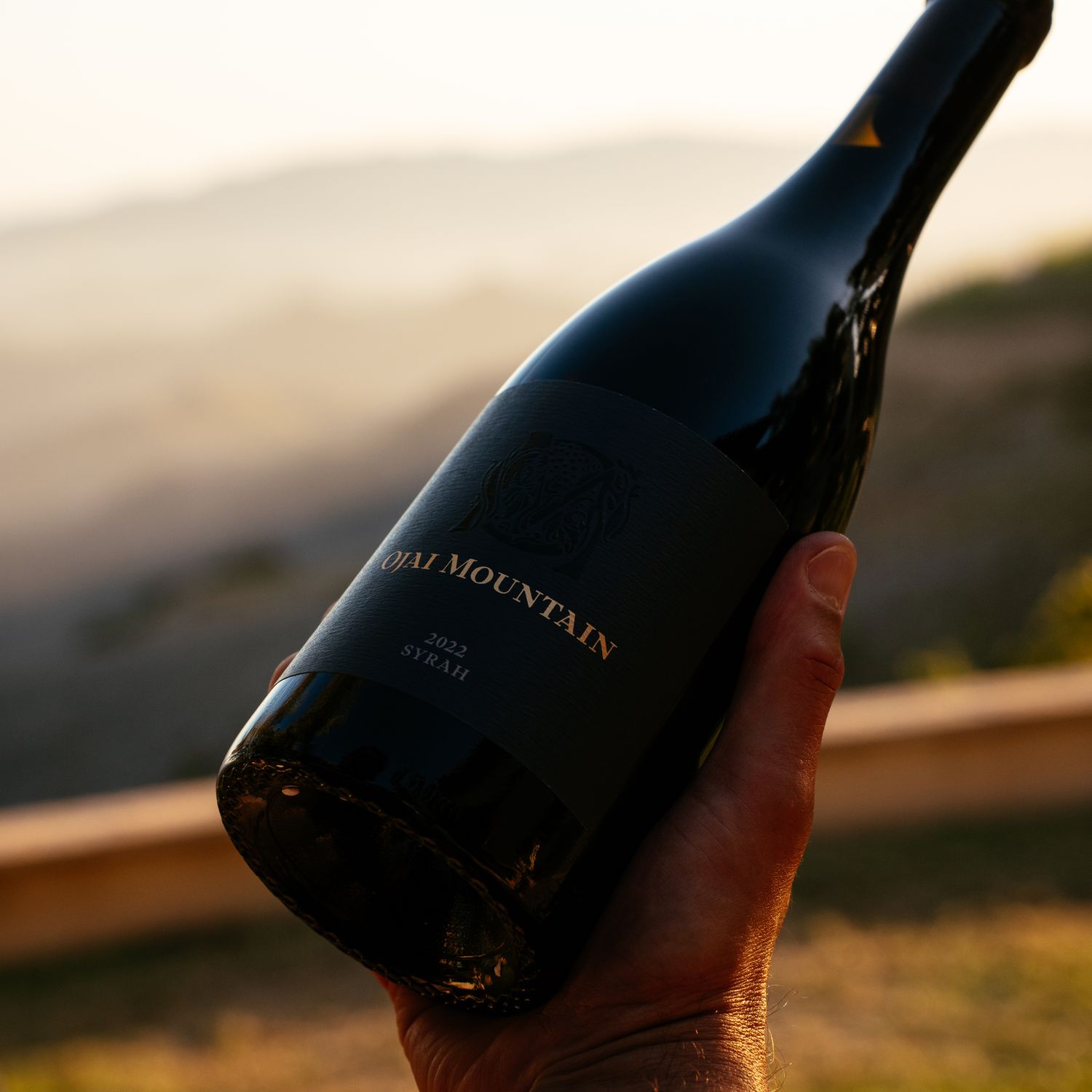
Why Ojai Mountain Wines Are Made to Age
What actually makes a wine age, why our mountain site builds acidity, tannin and concentration into the fruit, and the measured numbers and drinking windows for four of our wines, with practical cellaring advice.

"Ageworthy" is one of the most overused words in wine. It gets attached to bottles that are ready to drink tonight, to bottles that will fade in three years, and occasionally to wines that will reward real patience.
We want to be specific about why we put our wines in that last group, and honest about what we can and cannot promise.
What actually makes a wine age
The usual shortcut is the critic score. A 95-point wine must age well, right? Not necessarily. A score describes quality at the moment of tasting. It can reward richness and power just as easily as structure.
Three things matter more:
Acidity. Measured as pH and titratable acidity (TA, in grams per liter). Acidity acts as a preservative: it slows oxidation, protects against spoilage and keeps fruit fresh as a wine develops. A lower pH means sharper, more active acidity; a higher TA means more total acid.Tannin. In red wine, tannins soften over the years from firm and grippy to silky and integrated. Too little and there is nothing to develop. Too much without enough fruit and the wine never comes into balance.Concentration. Depth of fruit from small berries, low yields and slow ripening gives acidity and tannin something to work with.
These only work together. High acidity without concentration stays thin and tart. Concentration without acidity feels rich now and tired in five years. Aging potential comes from all three in proportion.
Why the mountain does the work
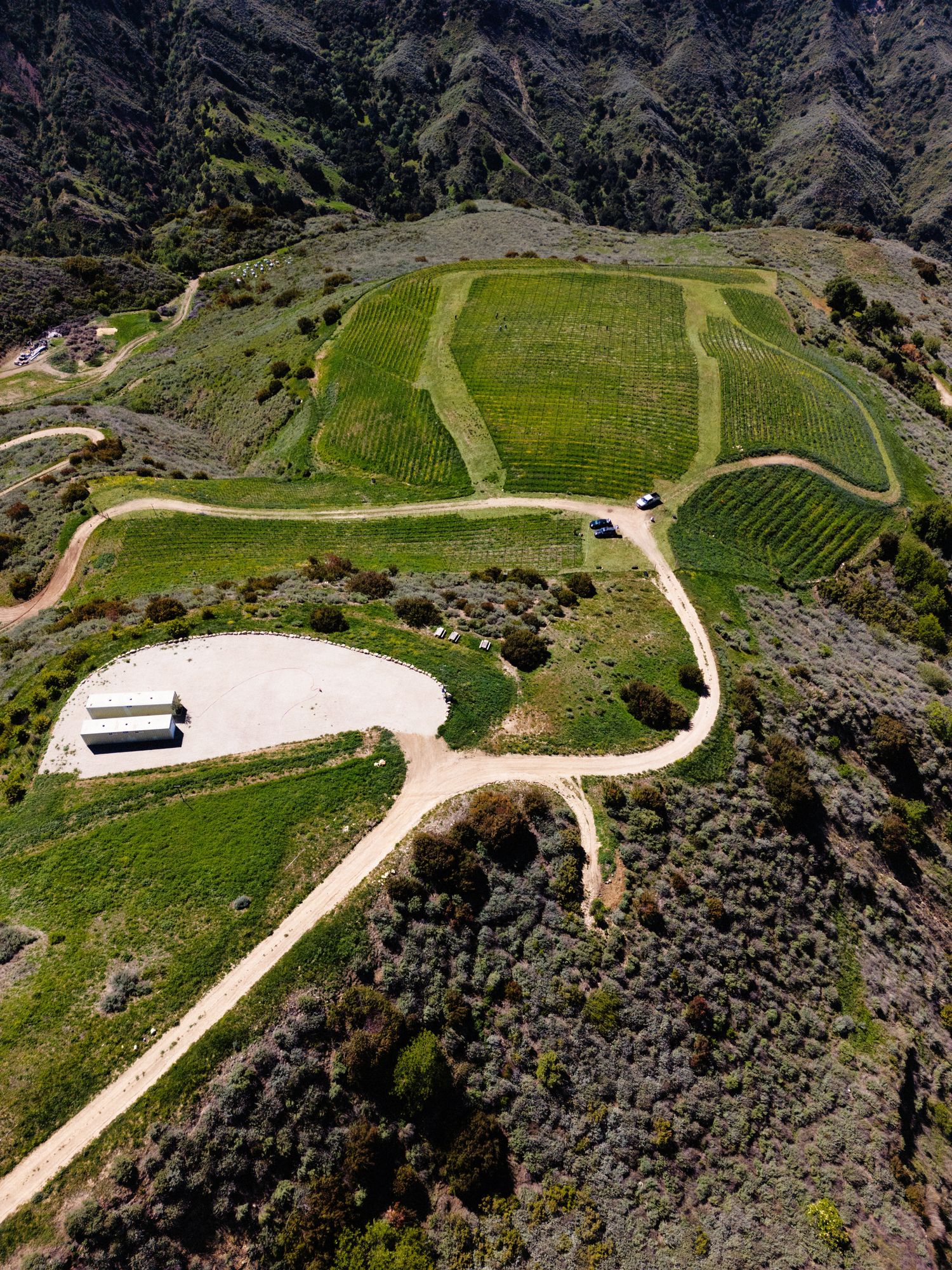
We do not engineer this structure in the cellar. Our winemaking is deliberately minimal: native yeasts, neutral French oak, no acid adjustment. The structure comes from where the vines grow.
Cold nights keep the acidity
On Sulphur Mountain, temperatures regularly swing 40 to 50°F between afternoon and night. Warm days build sugar, color and flavor. Cool nights slow the vine down and help the grapes hold on to their natural acidity.
The same cool nights slow sugar accumulation, which gives tannins and flavors time to ripen fully. The result is ripe fruit at moderate alcohol, typically 13 to 14% for our reds.
Poor soil makes concentrated fruit
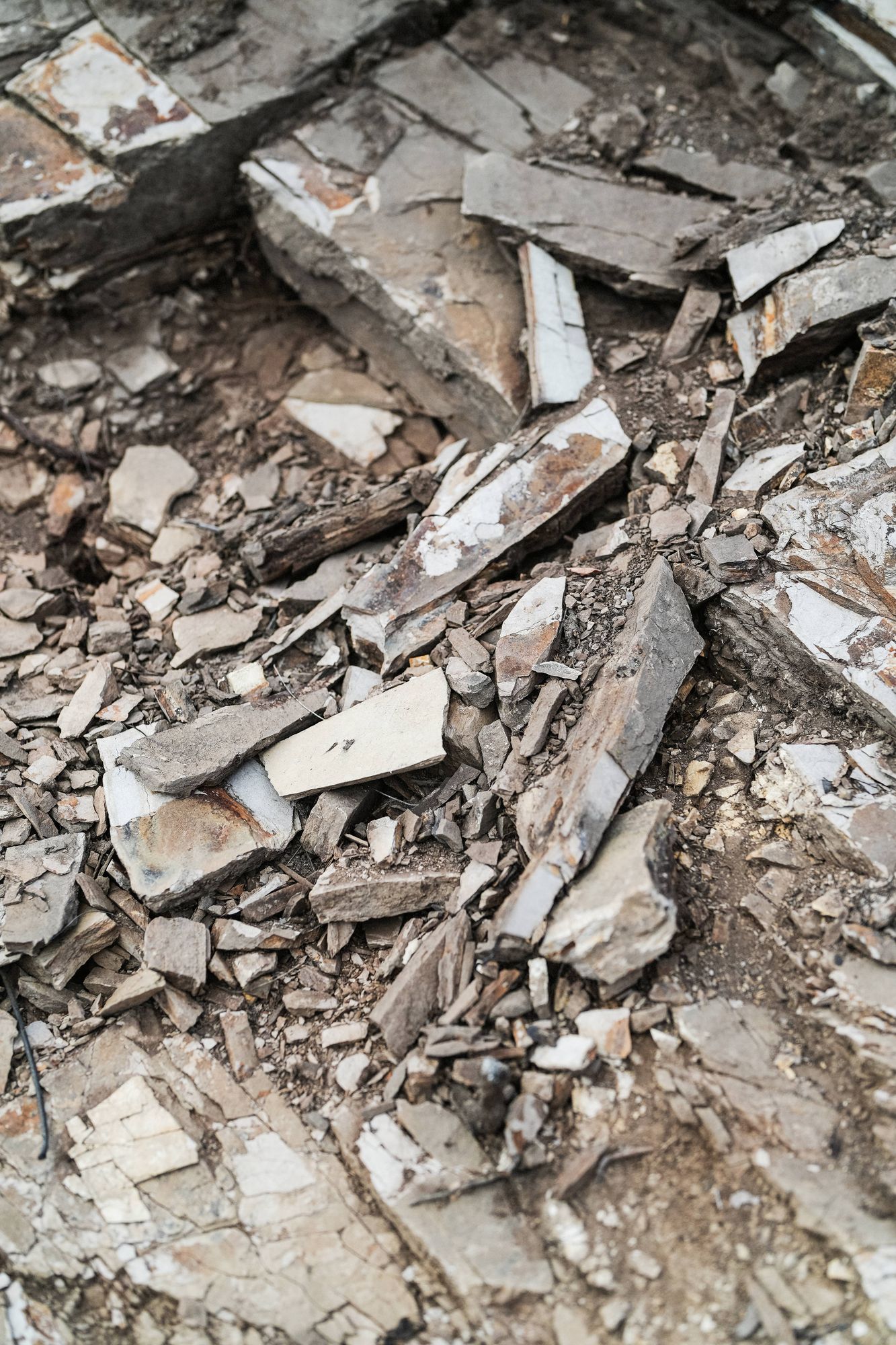
Fractured Monterey shale is ancient seabed with almost no organic matter. Roots have to push deep into broken rock for water and nutrients. The vines carry small crops of small berries with a high ratio of skin to juice, which concentrates flavor, color and tannin.
Winemaker Erich Bradley puts it simply:
The ocean adds a second cooling force
Many high-altitude vineyards rely on elevation alone. We are also about ten miles from the Pacific, and we sit above the marine fog that settles over the Ojai Valley. Ocean breezes temper afternoon heat and keep ripening gradual rather than rushed.
As our viticultural consultant Phil Coturri describes it:
Elevation preserves acidity. The ocean slows the season. Both act on the same fruit, and that combination is a large part of why the wines are built the way they are.
The wines, by the numbers
Here is what the measurements say about four wines, and what they don't say.
| Wine | pH | TA (g/L) | Alcohol | Cases | Drinking window |
|---|---|---|---|---|---|
3.47 | 6.9 | 14.3% | 85 | 2024–2038 | |
3.55 | 6.3 | 14.7% | 135 | 2025–2040 | |
3.64 | 6.0 | 13.6% | 94 | 2025–2035 | |
3.15 | 6.7 | 13.8% | 209 | 2024–2032 |
2021 Syrah: the structural benchmark
The 2021 is the most tightly built Syrah we have made. Its 6.9 g/L TA is the highest of any of our Syrahs so far, and its pH of 3.47 sits comfortably in the range that supports long, stable aging. With firm, fine-grained tannins from small berries on young vines, it has the architecture for a slow evolution.
Billy Norris of Vinous gave it 95 points: “Deeply concentrated but driven and upright, the 2021 is a Syrah of exceptional balance and real potential.” Only 85 cases were made, and it was our first standalone Syrah.
2022 Syrah: the vintage of amplitude
A warm, fast season produced our most powerful Syrah. The acid profile is riper than the 2021 (pH 3.55, TA 6.3 g/L), but cool mountain nights kept it from turning heavy. Vinous scored it 96 points, calling it “fleshy, resonant and loaded with character.” Matt Kettmann of Wine Enthusiast (94 points, Editors' Choice) noted that “sticky tannins indicate reliable cellar life.”
It will age differently from the 2021: more generous along the way, rather than tightly wound. At 135 cases, it is our largest Syrah bottling to date.
2023 Mourvèdre: lift from a wet, late year
Mourvèdre ripens late, and 2023 was the wettest season in our records, with 53.35 inches of rain. We picked on October 10. The wine is 77% Mourvèdre with 23% Grenache Blanc, Picpoul and Roussanne, which add lift and fragrance.
Its pH of 3.64 is the softest of the four wines here, and its tannins are moderate, so its window is shorter than the Syrahs': 2025 to 2035. Wine Enthusiast gave it 95 points and named it a Top 100 Cellar Selection. Decanter called it “an ethereal, high-altitude expression of Mourvèdre.” The whole 2023 vintage produced just 150 cases across all of our wines, from 3.01 tons of fruit.
2022 Estate White: how a white ages
White wines age differently. With almost no tannin, the pillars are acidity, texture and the grip that comes from the grape skins and time on the lees. The 2022 Estate White has a pH of 3.15, notably low for a white, helped by the Picpoul in the blend. Its 6.7 g/L TA supports a window to 2032.
Vinous gave it 94 points and summed it up: “This is what terroir is all about.” As it develops, expect the texture to deepen and the stone fruit to move toward something more honeyed and savory.
Independent confirmation: two Top 100 Cellar Selections
We can make the structural argument ourselves. It is more useful when someone else makes it independently.
Two of our wines have been named to Wine Enthusiast's Top 100 Cellar Selections: the 2020 Estate Red, our inaugural vintage, and the 2023 Mourvèdre. They come from different vintages, different grapes and different years on the list. That points to a consistent approach rather than a single lucky pick.
How to cellar these wines
The structure only pays off if the bottles are stored well.
Temperature: around 55°F (13°C). Consistency matters more than the exact number.Humidity: 60 to 70%, so corks stay moist and sealed.Light: keep bottles in the dark, away from UV.Vibration: as little as possible.Position: on their side.
No cellar? A temperature-controlled wine cabinet in a dark spot does the same job.
When to open each wine
| Wine | Drink now? | Best window |
|---|---|---|
2021 Syrah | Yes, with a long decant | Peak around 2028–2033 |
2022 Syrah | Yes, generous already | Best development around 2029–2035 |
2023 Mourvèdre | Most approachable now | Best around 2027–2032 |
2022 Estate White | Yes | Drink within its window, to 2032 |
The honest version
We make roughly 1,000 cases a year, all from our own vineyard. There is no purchased fruit. Yields stay low because of poor soil and close vine spacing, and production is shaped entirely by what the mountain gives us. In 2023 that was 3.01 tons of fruit and 150 cases. That is not a marketing constraint. It is what happened.
The pH, acidity, tannin and concentration all point in the same direction. But no winemaker can guarantee how a wine will age: storage, bottle variation and time all play a part. What we can say with confidence is that the foundation is there. The mountain put it there, the cellar preserved it, and the rest is up to time.
Explore the full technical sheets on each wine page, read how farming at altitude shapes the fruit, or write to us at info@ojaimountainestate.com if you have a question about cellaring.
Share this post
Recent Posts
View All Posts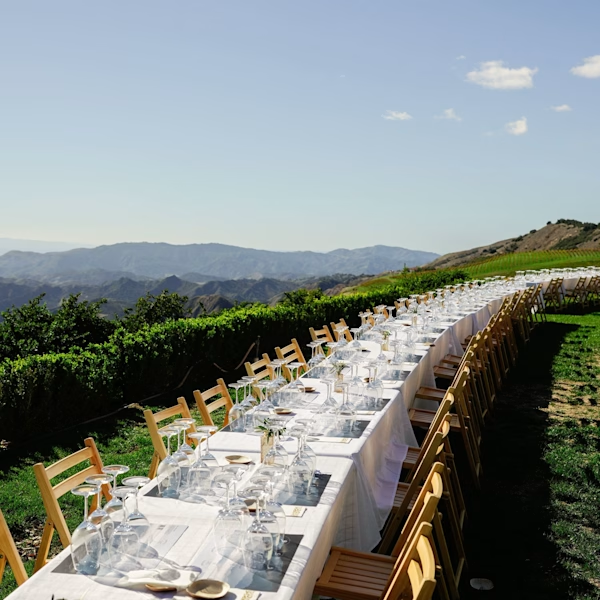
Lesia Artymovych • 23 Nov 2026
Harvest Dinner 2026: Six Wines, One Mountain
On November 14, 2026, about 120 guests joined us on the ridge for our annual Harvest Dinner. Here are the six estate wines we poured, why each one mat...
Lesia Artymovych • 16 Nov 2026
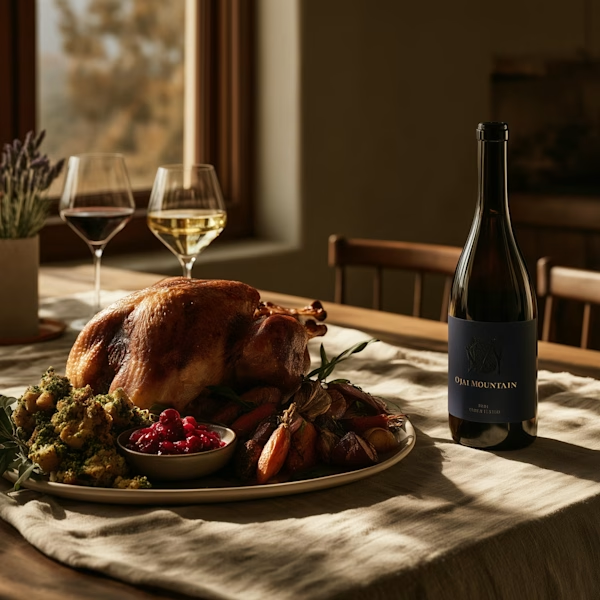
Thanksgiving Wine Pairing: What to Pour with Every Dish
How we would pair Ojai Mountain wines with Thanksgiving dinner, from the first oysters or cheese board to the last slice of pie, plus how many bottles...
Lesia Artymovych • 16 Nov 2026
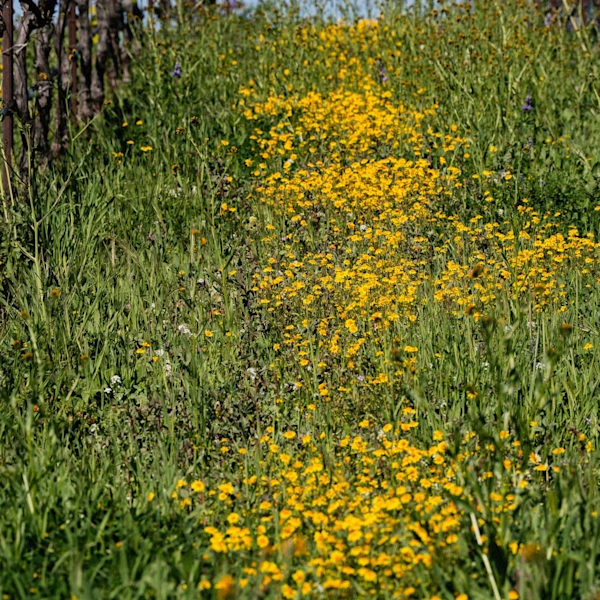
What Is Regenerative Viticulture? How We Farm in Ojai
On Sulphur Mountain, cover crops, compost, grazing sheep and goats and habitat for birds of prey are all part of how we care for the vineyard. Here is...