
Seared Duck Breast with Roasted Apples & Ojai Mountain 2023 Syrah
Seared duck breast with roasted apples and black pepper gastrique starts the duck fat-side down in a cold pan, renders the fat slowly over 12 to 15 minutes, then flips to finish the flesh side to medium-rare (130 to 135°F internal). Roasted apple halves caramelized in butter and thyme provide sweetness and acidity; a black pepper gastrique of reduced sugar and red wine vinegar adds structure. Ojai Mountain's 2023 Syrah, the most aromatic and approachable of the three Syrah vintages, co-fermented with Grenache Blanc for added lift, pairs through the apple's sweetness and the gastrique's acidity, both of which mirror the wine's lifted, floral character.

Duck Breast Ingredients
The duck breasts
4 Moulard (magret) or Pekin duck breasts (6 to 8 oz. each)
Kosher salt and freshly ground black pepper
The roasted apples
3 Honeycrisp or Pink Lady apples, halved and cored
2 tablespoons unsalted butter
4 sprigs fresh thyme
1 tablespoon honey
Pinch of kosher salt
The black pepper gastrique
1/3 cup granulated sugar
3 tablespoons red wine vinegar
1 teaspoon coarsely cracked black pepper
2 tablespoons water
To finish
Flaky sea salt
Fresh thyme sprigs
| Ingredient | Substitution |
|---|---|
| Moulard duck breast | Pekin duck breast (smaller; reduce rendering time to 8 to 10 minutes) |
| Honeycrisp apples | Braeburn, Fuji, or Pink Lady; avoid Granny Smith (too tart) and Red Delicious (too soft) |
| Red wine vinegar in gastrique | Sherry vinegar; slightly more complex, less sharp |
| Gastrique | Pomegranate molasses + cracked pepper whisked together (5-minute version; different character but effective) |
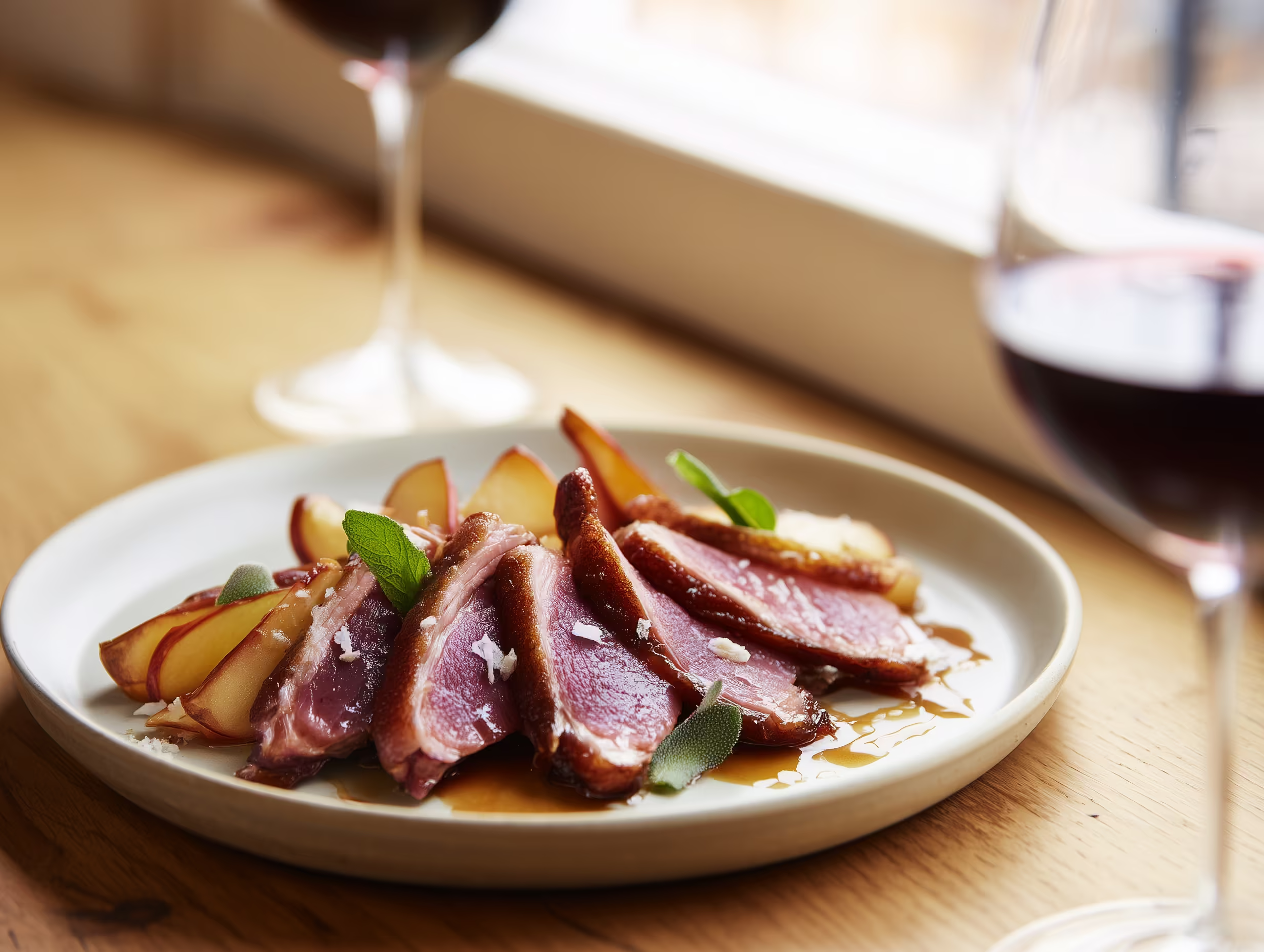
How to Make Seared Duck Breast with Roasted Apples and Black Pepper Gastrique
Duck breast has one technique requirement that separates a great result from a mediocre one: the cold-pan start. Placing the breast fat-side down in a cold pan and bringing the heat up gradually renders the fat evenly without seizing the surface. A hot pan start tightens the skin immediately, trapping fat underneath and producing a rubbery, pale exterior. Read through all steps before starting; the gastrique and apples can both be made while the duck renders.
Step 1: Score and season the duck (20 minutes before cooking)
Pat the duck breasts dry with paper towels. Using a sharp knife, score the fat cap in a crosshatch pattern at 1/2-inch intervals, cutting through the fat but not into the flesh. This allows the fat to render evenly and the skin to crisp across its entire surface.
Season both sides generously with kosher salt and black pepper. Set aside at room temperature for 15 to 20 minutes before cooking. Cold duck breast placed directly from the refrigerator into the pan will render unevenly.
Step 2: Make the gastrique (10 minutes, while the duck rests)
Combine the sugar and water in a small, heavy saucepan over medium heat. Cook without stirring until the sugar dissolves and turns a deep amber caramel color, about 5 to 6 minutes. Watch carefully: the transition from amber to burnt happens in under 30 seconds.
Remove from heat immediately and carefully add the red wine vinegar. It will bubble vigorously. Return to low heat and stir until the caramel dissolves into the vinegar, about 1 minute. Add the cracked black pepper and stir to combine. The gastrique should be syrupy, glossy, and balanced between sweet and sharp.
Step 3: Roast the apples (20 minutes, can overlap with duck rendering)
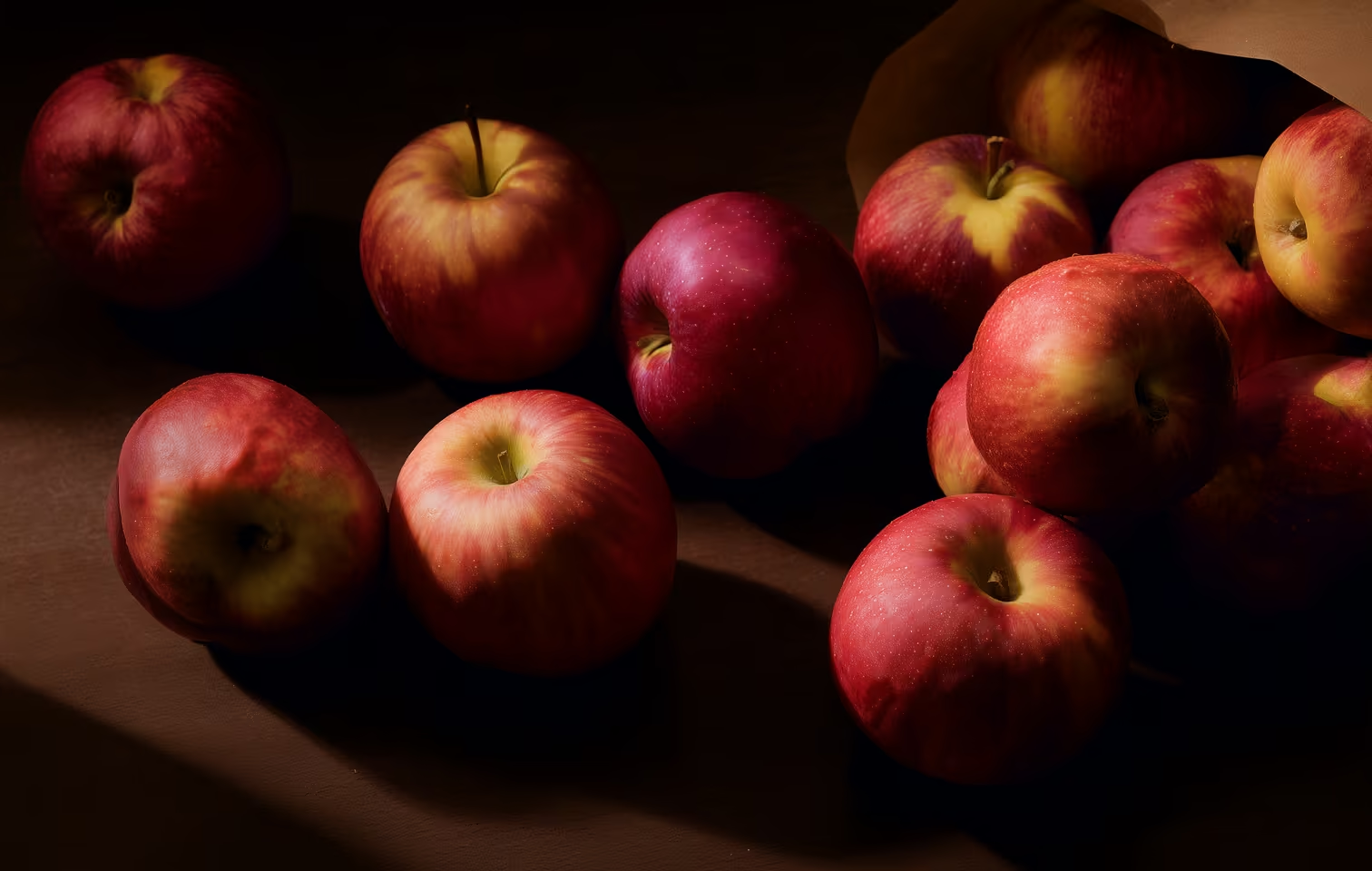
Preheat the oven to 400°F. Place the apple halves cut-side down in an oven-safe skillet or baking dish. Add the butter, thyme sprigs, honey, and a pinch of salt.
Roast for 18 to 22 minutes, until the apples are tender when pierced with a knife and the cut sides are deeply caramelized. The apples should hold their shape; they will soften further on the plate if overcooked. Remove from the oven and keep warm.
Step 4: Render and sear the duck (15 to 18 minutes)
Place the duck breasts fat-side down in a cold, dry skillet (no oil needed; the fat will provide its own lubrication). Turn the heat to medium and cook without moving for 12 to 15 minutes for Moulard breasts (8 to 10 minutes for Pekin), until the fat has rendered almost completely and the skin is deep golden brown and crisp.
Pour off the rendered duck fat into a heatproof container as it accumulates. This keeps the pan from becoming too oily and prevents the fat from steaming the skin. Reserve the fat: it is exceptional for roasting potatoes.
Flip the duck breasts and cook flesh-side down for 3 to 4 minutes for medium-rare (internal temperature 130 to 135°F). The flesh side cooks much faster than the fat side; do not walk away.
Transfer to a cutting board and rest for 5 minutes. The internal temperature will rise another 3 to 5°F during resting.
Step 5: Slice and plate
Slice each duck breast on the bias into 1/2-inch medallions. Fan the slices on each warmed plate. Place a roasted apple half alongside. Drizzle the gastrique sparingly over the duck; a little goes a long way. Finish with a pinch of flaky sea salt and a fresh thyme sprig.
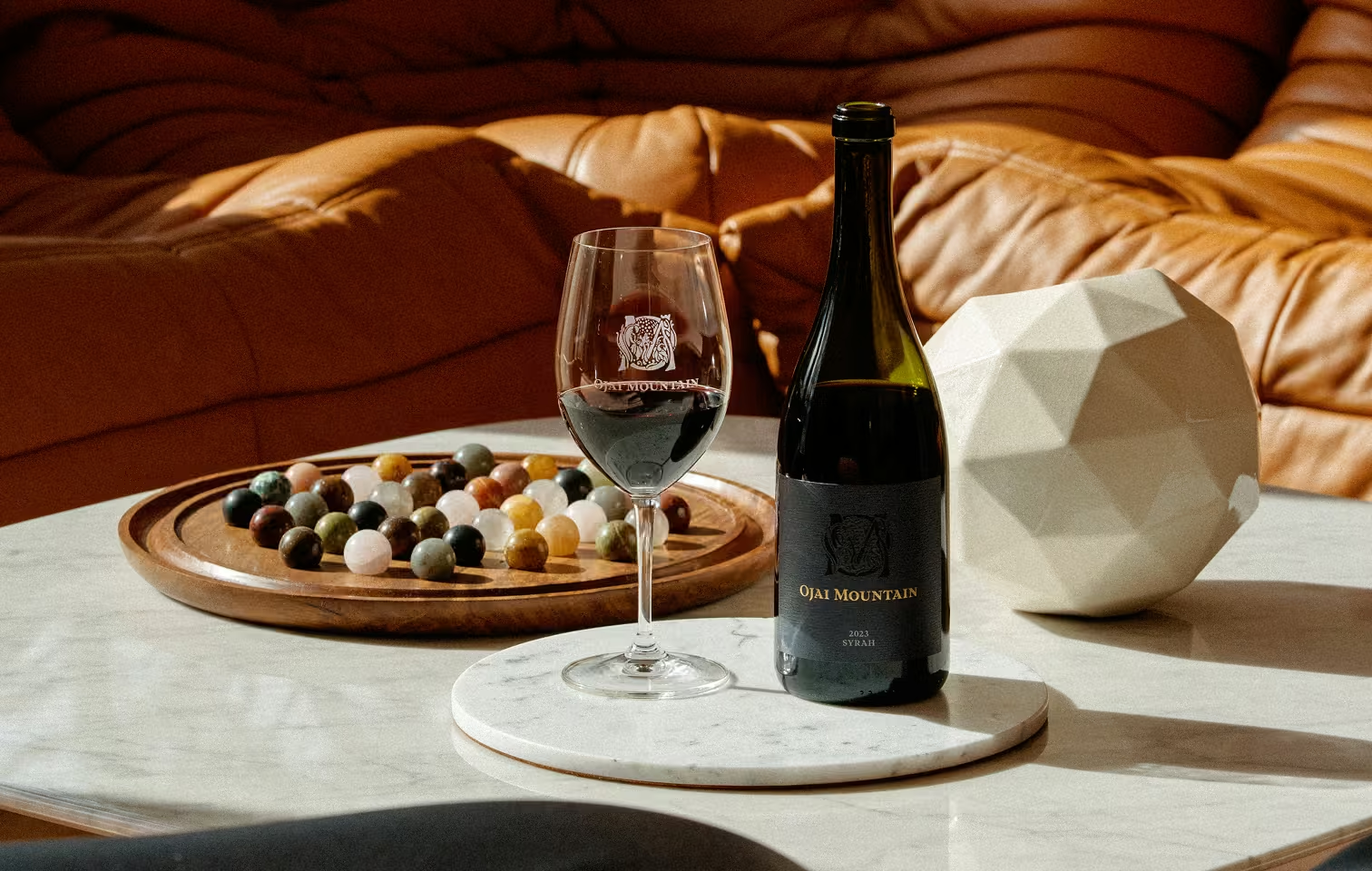
Wine Pairing Notes: Ojai Mountain 2023 Syrah
The 2023 Syrah is the most aromatic and approachable of the three Syrah vintages: lifted, floral, co-fermented with Grenache Blanc for added lift, and the earliest drinking of the trio. Where the 2021 demands precision and the 2022 demands weight, the 2023 invites you in. That accessibility is what makes duck breast the right protein: its rendered fat creates richness that the wine can cut through without effort, while the apple and gastrique provide the aromatic register the wine is looking for.
The pairing works on three levels:
Fruit resonance. The roasted apple's caramelized sweetness echoes the wine's lifted fruit character. Both are in the same aromatic neighborhood: warm, floral, slightly honeyed at the edges.
Acid balance. The gastrique's red wine vinegar reduction provides a sharp, structured acidity that mirrors the wine's freshness and prevents the duck fat from making the pairing feel heavy.
Fat and lift. The 2023 Syrah's co-fermentation with Grenache Blanc gives it an aromatic lift that cuts through rendered duck fat more cleanly than the denser 2022 would. The result is a pairing that feels elegant rather than rich.
Frequently Asked Questions
A gastrique is a classic French sweet-and-sour sauce made by caramelizing sugar to an amber color, then deglazing with vinegar. The result is a syrupy, intensely flavored reduction that adds both sweetness and sharpness to rich proteins like duck, pork, and game. To make it, cook sugar and a small amount of water in a heavy saucepan over medium heat until it turns deep amber, then carefully add vinegar off the heat and stir until smooth. The black pepper in this version adds a savory, aromatic note that connects directly to the wine pairing.
A red wine with lifted aromatics, moderate tannins, and enough acidity to cut through rendered duck fat pairs best with duck breast. Ojai Mountain's 2023 Syrah, co-fermented with Grenache Blanc for added lift and the most aromatic of the three Syrah vintages, is an excellent match: its floral character mirrors the roasted apple, its acidity cuts through the fat, and its approachability makes it the most versatile of the Syrah collection at the table.
Starting duck breast fat-side down in a cold pan allows the fat to render gradually as the pan heats up. A hot pan start causes the skin to seize immediately, trapping fat underneath and producing a pale, rubbery exterior rather than the deep golden, crackling crust that makes the dish. The cold-pan method takes longer (12 to 15 minutes for Moulard breasts) but produces consistently superior results without any special equipment.
Use an instant-read thermometer inserted into the thickest part of the flesh, away from the fat cap. Medium-rare is 130 to 135°F; at this temperature the meat is pink and juicy throughout. The flesh side cooks in 3 to 4 minutes after flipping, so check the temperature early. Rest the breast for 5 minutes after cooking; the temperature will rise another 3 to 5°F during this time. The USDA recommends a minimum internal temperature of 165°F for poultry; most professional cooks serve duck breast at medium-rare.
Duck confit is a different preparation (legs slow-cooked in their own fat) and produces a different texture and flavor profile. It is delicious, but it is not a substitute for seared duck breast in this recipe. The dish is built around the contrast between the crisp, rendered fat cap and the medium-rare flesh; confit produces fully cooked, pull-apart meat with no seared surface. If you want to use confit, serve it shredded over a salad with the gastrique as a dressing rather than as a plated main course.
Share this post
Recent Posts
View All Posts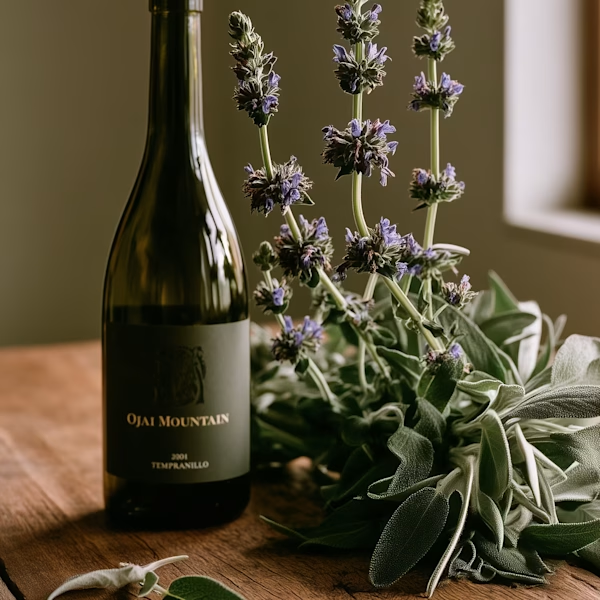
Lesia Artymovych • 20 Sept 2026
The Scent of the Mountain: Chaparral, Syrah, and Ojai Terroir
Ojai Mountain’s wines can carry aromas that recall the chaparral surrounding the vineyard: sage, dried herbs, pepper, and wildflowers. Science does no...

Lesia Artymovych • 16 Sept 2026
The Ojai Pink Moment: Why the Topa Topa Mountains Glow
Ojai’s Pink Moment is the brief coral, rose, and violet glow that appears on the Topa Topa Mountains around sunset. Warm, low-angle light creates the ...
Lesia Artymovych • 14 Sept 2026
A Guide to Wine and Cheese Pairing at Ojai Mountain
Match intensity to intensity: pair fresh, delicate cheeses with Ojai Mountain's bright Estate Whites, and bold, aged cheeses with its Syrahs and reds....