
 Log in
Five Vintages, One Mountain: The Estate White Vertical
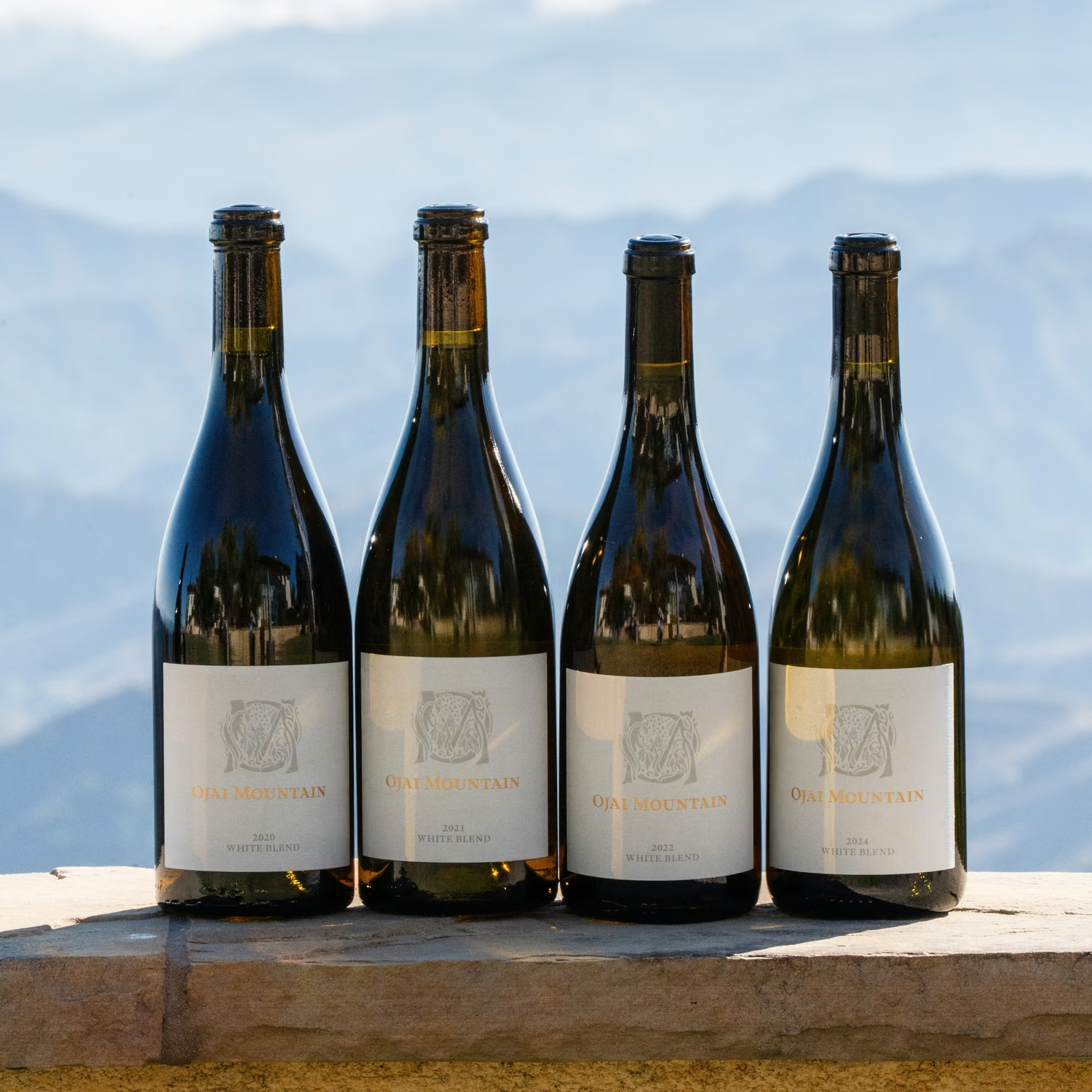
Five Ojai Mountain Estate White vintages—2020, 2021, 2022, 2024 and 2025—show how one vineyard can express itself differently from year to year. Changing proportions of Grenache Blanc, Picpoul and Roussanne bring contrasts in citrus, orchard fruit, texture and freshness. This vertical follows those differences through blend details, tasting notes, food pairings and cellaring guidance, helping you choose a bottle or build a comparison of your own.

Each bottling has a different balance. The 2020 is a two-variety debut. The 2021 brings the highest proportion of Picpoul in this selection. The 2022 has a broader, more generous profile. The 2024 combines vivid aromatics with acidity, while the 2025 brings orchard fruit and texture around a fresh, mineral-driven core.
None is a replacement for the others. Tasted together, they show how one vineyard can produce different wines without losing its identity.
This vertical covers
One vineyard, different seasons
Our vineyard sits at 2,800 feet on Sulphur Mountain, approximately ten miles from the Pacific, on fractured Monterey Formation shale. The first vines were planted in 2018; the first Estate White followed in 2020.
The site's elevation, ocean influence and soils form the background to every vintage. Read about our vineyard farming and how diurnal shift shapes wine for more on those growing conditions. The wines repeatedly show freshness, structure and a mineral or saline impression, but those qualities take different forms from one year to the next.
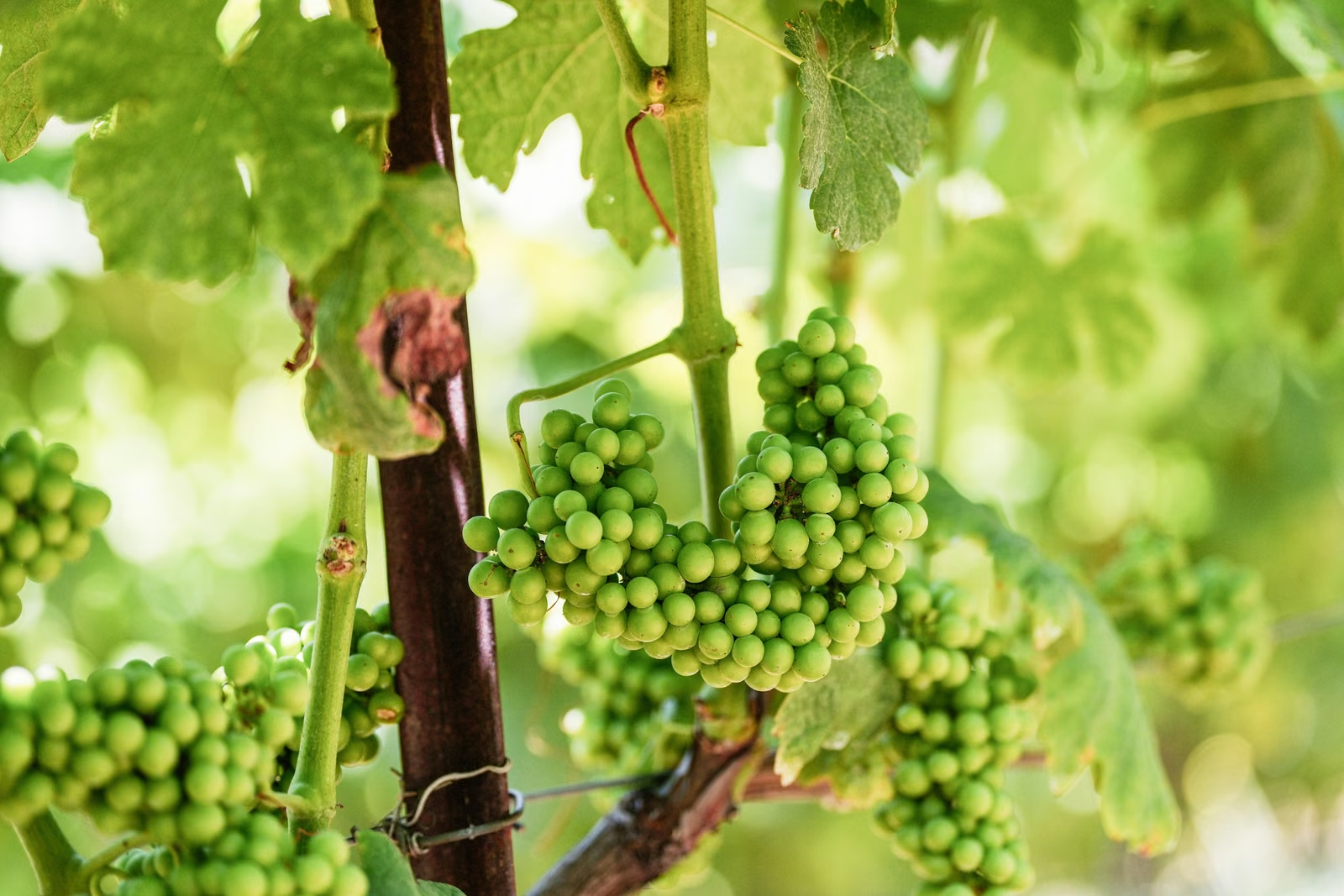
“Mineral” is a tasting description here—not a claim that pieces of shale pass directly into the wine. It describes an impression in the glass: chalky grip, stony tension or a saline finish.
Winemaker Erich Bradley works with whole-cluster pressing, small lots and neutral French oak—choices explained in our winemaking approach. The philosophy remains consistent, but harvest timing, blend proportions and aging are still deliberate choices. Vintage differences reflect both the season and the decisions made in response to it.
What each grape brings to the blend
| Variety | Contribution |
|---|---|
| Grenache Blanc | Orchard fruit, body and mid-palate structure; the largest share in all five blends |
| Picpoul | Citrus character, acidity and freshness |
| Roussanne | Floral aromatics, texture and complexity; absent from the 2020 blend |
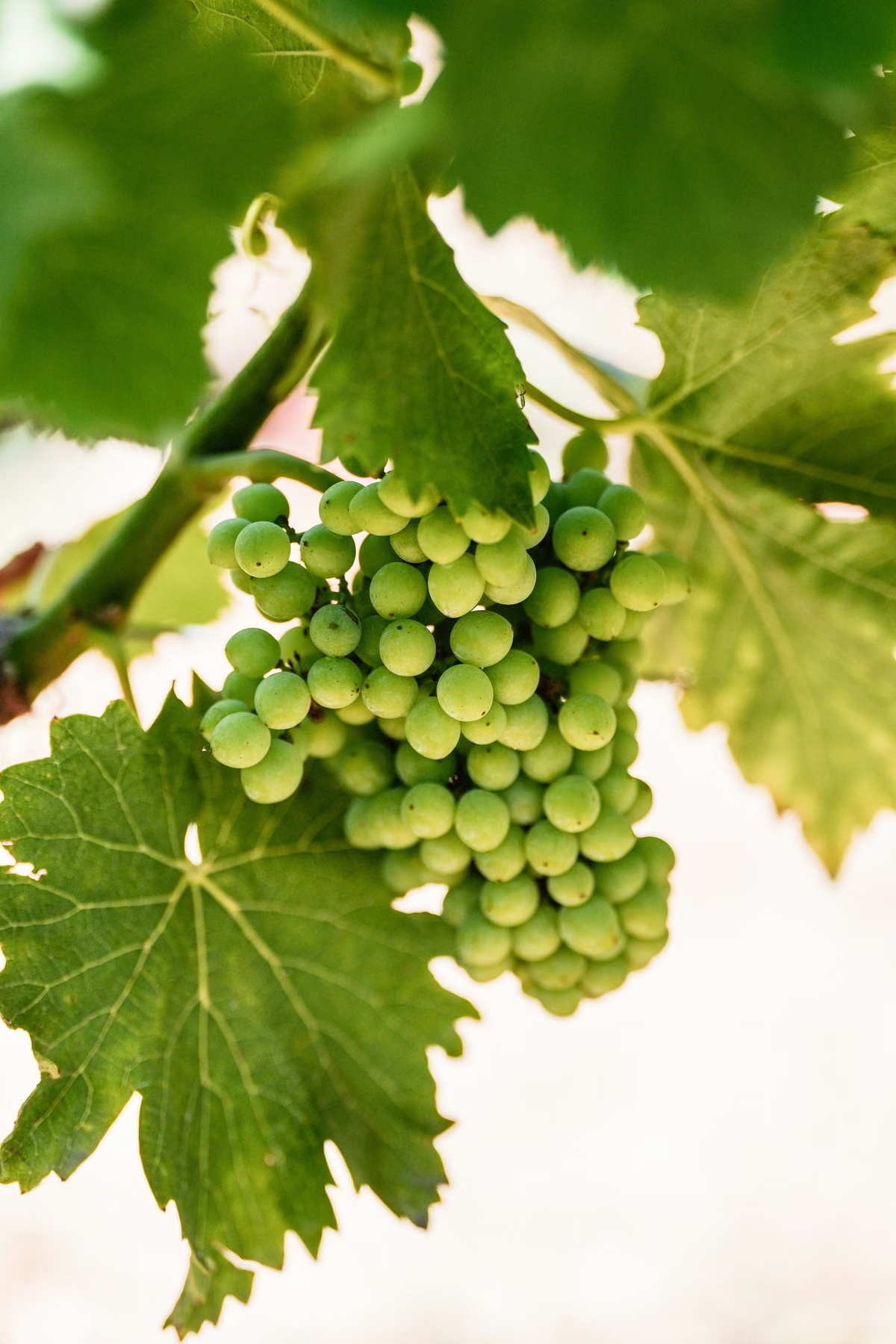
These are broad roles, not fixed tasting rules. Fruit ripeness, the season and the proportions of the other varieties affect how each grape shows itself.
Roussanne's share is 7% in 2021, 6% in 2022, 11% in 2024 and 12% in 2025. That is an increase across the selection, but not a steady annual progression—and it remains a minority component.
2020 Estate White: the two-variety debut
The inaugural blend is a useful starting point because it shows the wine before Roussanne entered the picture. Grenache Blanc supplies body; Picpoul gives the blend its fresh, structured edge.
Wildflowers, honey and slate-like notes sit alongside fresh almond, wild mint and a taut, chalky palate. Twelve months in neutral French oak gave the wine time to develop without making new-oak flavor its defining feature.
This is the reference bottle for the vertical, not because it is the “purest” or necessarily the best, but because it introduces the vineyard's white-wine vocabulary with fewer varieties in the blend.
2021 Estate White: citrus, tension and structure
At 44%, Picpoul reaches its highest share among these five vintages—although Grenache Blanc remains the largest component. Roussanne appears for the first time, adding another aromatic and textural element.
Green apple skin, pear and tangerine rind meet starfruit, almond oil and subtle spice. The palate is structured and fresh, with citrus keeping the wine focused. Eight months in neutral French oak support the texture without replacing that sense of energy.
Choose the 2021 if your interest is in the more taut, citrus-led side of the Estate White. Its high Picpoul share helps distinguish it from the broader 2022, but the blend alone does not explain every difference between them.
2022 Estate White: breadth without losing freshness
The 2022 offers a more generous, textural entry point into the vertical. Grenache Blanc accounts for 60% of the blend, with Picpoul retaining a substantial role in its balance.
Jasmine, cherimoya and orange zest bring a distinctive aromatic profile, followed by tropical-fruit notes, a sea-spray impression and a wide, polished texture. Seven months in neutral French oak round out the wine without making it taste primarily of barrel.
The white grapes were harvested in August, before the Labor Day heat, as detailed in our 2022 harvest notes. That matters: a season's headline weather does not necessarily describe the conditions every variety experienced before picking.
2024 Estate White: vivid aromatics and a fresh spine
The 2024 brings Grenache Blanc and Picpoul close to equal proportions, with Roussanne at 11%. It offers a different balance from both the taut 2021 and the broader 2022.
Mango, lychee and green pineapple meet mirabelle plum, lemongrass and floral notes. The palate is lively and textural, carrying aromatic intensity through a fresh, chalky finish. Six months in neutral French oak distinguish its aging from the other vintages in this selection.
The important point is not that the blend has become “more complete.” It has changed. The 2024 gives aromatic breadth and pronounced freshness room to coexist.
2025 Estate White: orchard fruit, texture and a mineral core
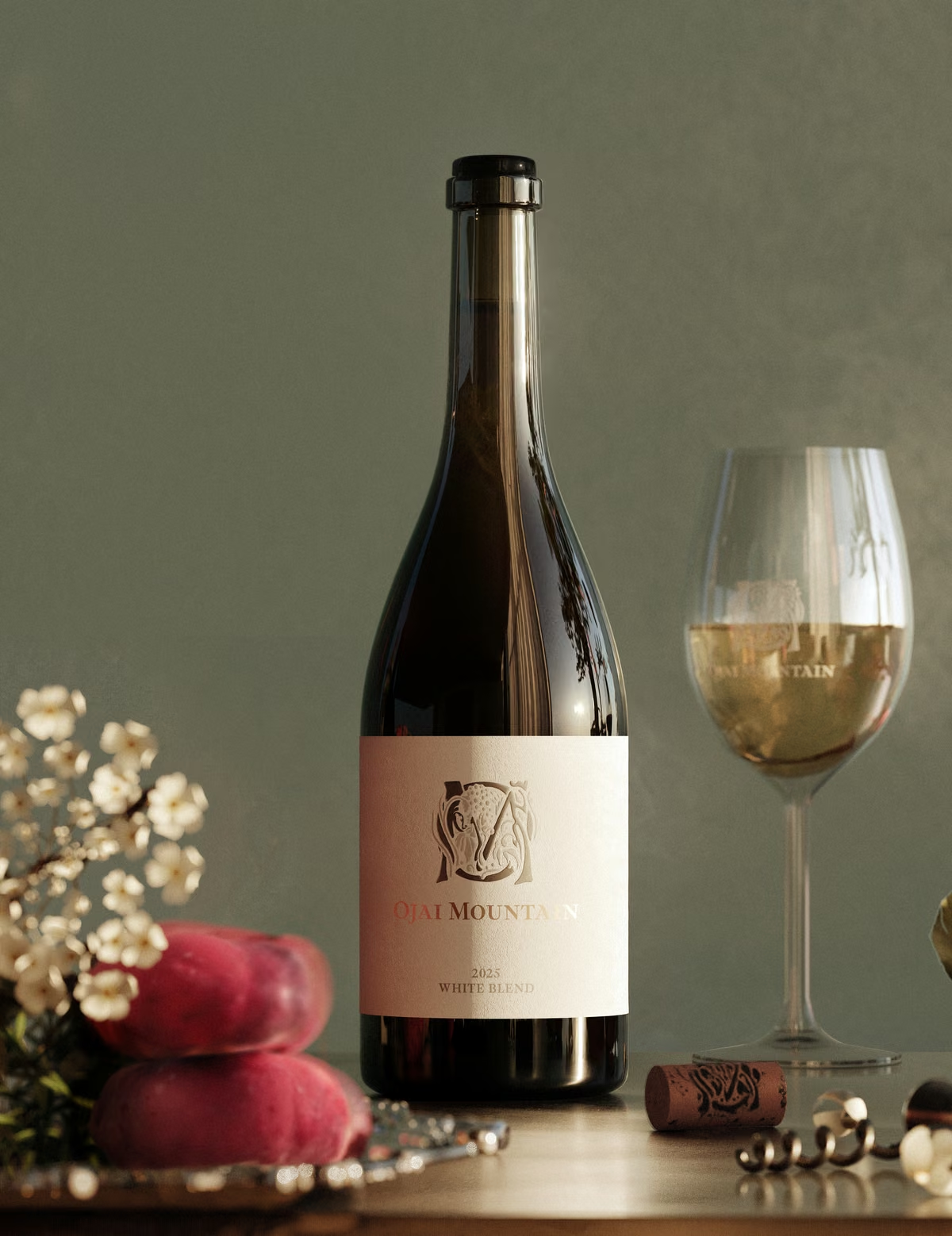
The 2025 has the highest Roussanne share in this vertical, but the change from 2024 is only one percentage point. The larger shift is toward more Grenache Blanc and less Picpoul. It is more useful to taste the resulting balance than label the wine “Roussanne-forward.”
Quince, white peach and Asian pear lead into lemon verbena, white flowers, fennel and oyster-shell impressions. Orchard-fruit generosity gives the mid-palate presence, while acidity and a mineral-driven core hold the wine together. The finish brings saline and preserved-citrus notes.
After eight months in neutral French oak, the wine offers texture without losing its fresh outline. It is not the definitive Estate White. It is a distinct expression of the vineyard in 2025.
The five vintages at a glance
| Vintage | Grenache Blanc / Picpoul / Roussanne |
|---|---|
| 2020 | 75% / 25% / 0% |
| 2021 | 49% / 44% / 7% |
| 2022 | 60% / 34% / 6% |
| 2024 | 46% / 43% / 11% |
| 2025 | 59% / 29% / 12% |
How to taste an Estate White vertical
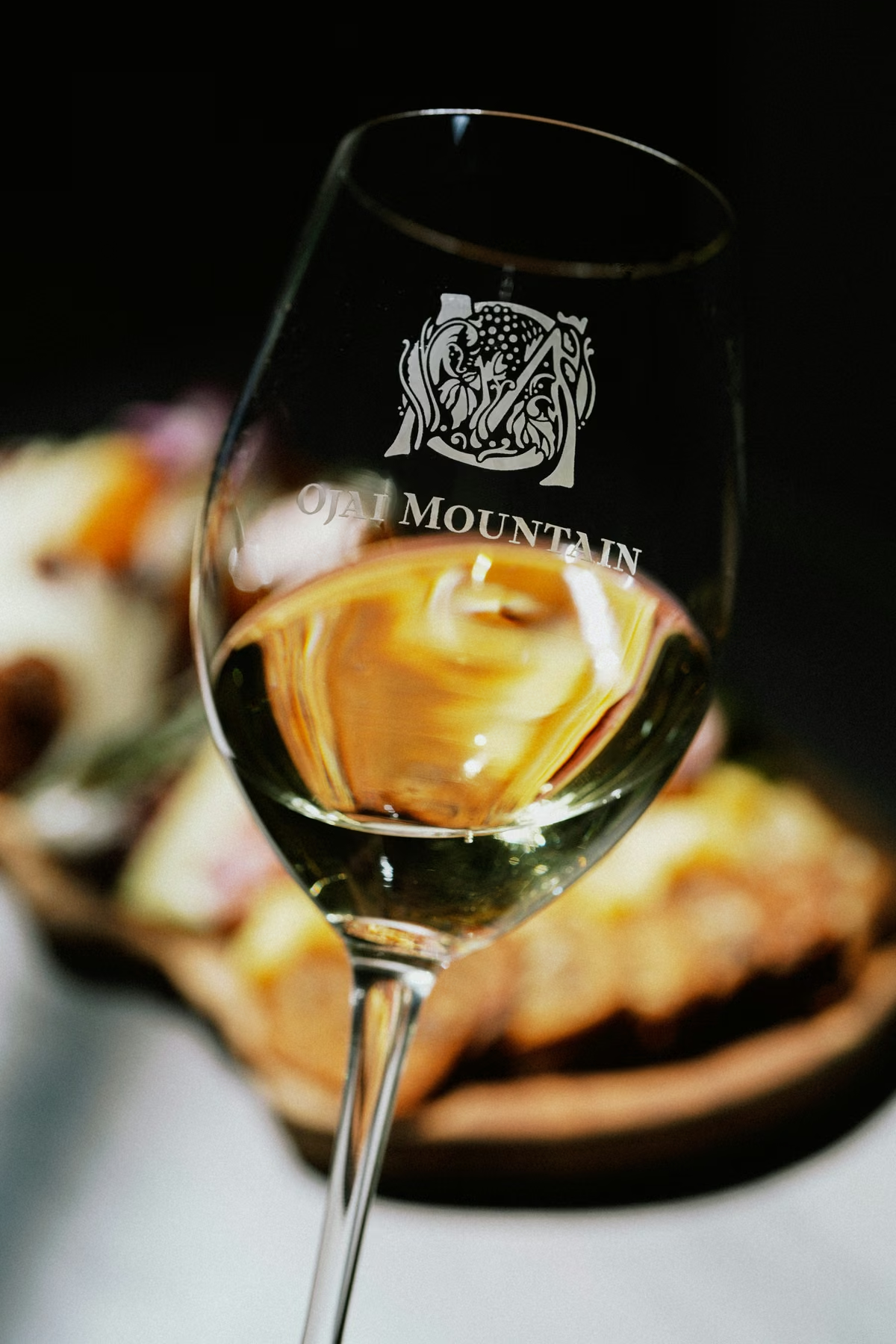
If you have several vintages, serve them side by side at a similar temperature and use the same glass shape. Our step-by-step guide to tasting wine at home covers the setup and tasting method. Begin with a small pour, then return to each wine after it has had time in the glass.
Notice three things: where the fruit sits, how the texture feels, and what remains on the finish. Older bottles may show more developed aromas; younger ones may change noticeably with air. Neither response makes one vintage better.
For a two-bottle comparison, 2021 and 2022 offer a clear contrast in blend and style. Comparing 2024 and 2025 shows a different kind of change: not simply more Roussanne, but a shift in the overall proportions and balance.
Store bottles in a cool, dark place with stable conditions. Cellaring guidance is an invitation to follow a wine over time, not a reason to postpone opening every bottle until the final year of its window.
Choose your place in the story
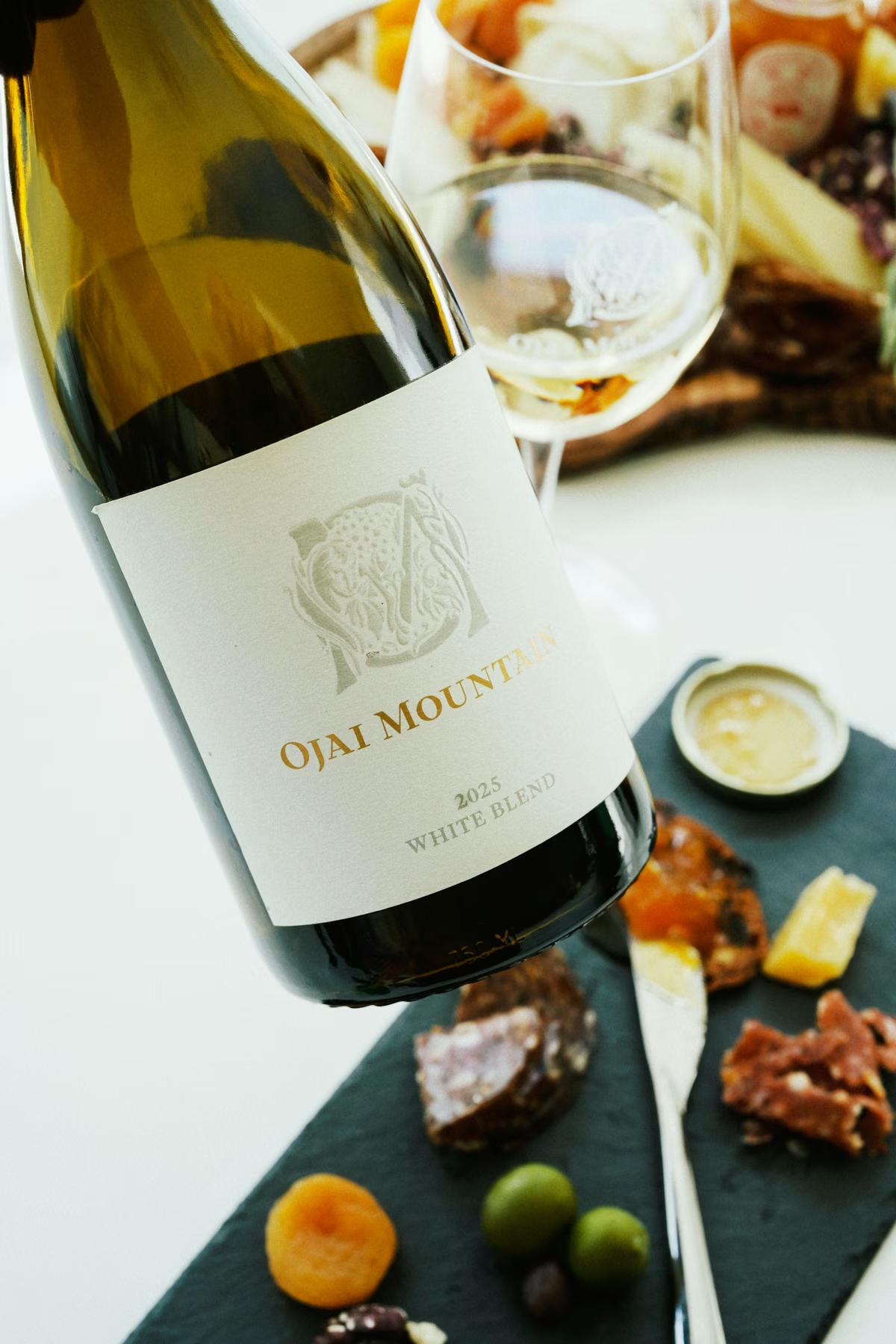
Start with the style you enjoy, or build a selection that lets you compare. Check our online shop for current vintage availability, or plan an estate tasting to explore the wines in the place they were grown.
Frequently Asked Questions
Grenache Blanc and Picpoul form the foundation. Roussanne joins them in the 2021, 2022, 2024 and 2025 vintages featured here. The 2020 is 75% Grenache Blanc and 25% Picpoul, without Roussanne.
The 2022 is a useful starting point for a broader, more generous profile. The 2025 also offers orchard-fruit presence and texture, but with a different blend and aromatic character.
The 2021, at 44%, has the highest Picpoul share in this five-vintage selection. Grenache Blanc is still its largest component, at 49%.
The fruit and growing conditions differ, and the team makes harvest, blending and aging decisions in response. A consistent philosophy does not require identical proportions or identical wines.
Yes, subject to bottle condition and appropriate storage. Estate guidance runs through 2031–2039 depending on vintage. Critics may recommend different windows, and you can enjoy the wines before those endpoints.
No. It compares 2020, 2021, 2022, 2024 and 2025. A vintage being included here does not guarantee that it is currently available; consult the shop for releases and stock.
Share this post
Recent Posts
View All Posts
Lesia Artymovych • 3 Nov 2026
Reading the Rain: Six Seasons on Sulphur Mountain
Six completed rainfall seasons in Upper Ojai show how much can change between one harvest and the next. From approximately 6.5 inches in 2020–2021 to ...
Lesia Artymovych • 20 Sept 2026
The Scent of the Mountain: Chaparral, Syrah, and Ojai Terroir
Ojai Mountain’s wines can carry aromas that recall the chaparral surrounding the vineyard: sage, dried herbs, pepper, and wildflowers. Science does no...
Lesia Artymovych • 16 Sept 2026
The Ojai Pink Moment: Why the Topa Topa Mountains Glow
Ojai’s Pink Moment is the brief coral, rose, and violet glow that appears on the Topa Topa Mountains around sunset. Warm, low-angle light creates the ...